Parents have always looked for places where their family can relax, enjoy a meal, and feel welcome, yet expectations have changed in recent years. A restaurant that feels thoughtfully arranged offers families a sense of calm before they even sit down. Many parents now choose dining spots that make moments smoother, from settling restless kids to finding enough room for personal items. Surveys from the hospitality industry show that more than half of families actively search for restaurants that promise comfort and practical design. These early decisions shape the entire dining experience, influencing whether a visit feels enjoyable or stressful.
Parents often pay close attention to the quality of restaurant chairs and tables, since these pieces quietly shape the comfort of the entire meal. When chairs offer proper support and tables provide enough space for plates, cups, and children’s belongings, the atmosphere becomes noticeably easier to manage. Many families appreciate layouts where chairs can be adjusted slightly or where tables are sturdy enough to handle the natural movement of kids. These details make parents feel that the restaurant understands their needs and values their comfort.
A second wave of change comes from how parents value time spent together. They want conversations that feel unhurried and meals that feel shared instead of rushed. Better seating and layout help create this atmosphere. The right environment gives children space to settle and adults space to breathe, creating balance around the table.
Comfort and Function Working Together
Parents think about comfort first, but they also look for details that support family routines. A well-designed arrangement gives every family member a place that feels stable and easy to use.
- Seating that supports posture helps children stay focused longer.
- Table spacing that reduces crowding makes the area feel calmer.
- Walkways that remain open allow more effortless movement with strollers or booster seats.
Many restaurants now study how families move through a room, leading to more intuitive layouts. This attention to movement reduces stress and helps families settle into their meals more quickly.
Comfort also depends on how long the family plans to stay. Parents often manage snacks, toys, drinks, and personal items at the table. When the seating feels generous, and the table has enough room, they can organise these items without feeling boxed in. Restaurants with seating with supportive backs or softer surfaces appeal strongly to families who expect to spend a whole hour at the table. These decisions deepen the sense of ease in ways that parents immediately notice.
How Better Layouts Support Family Interaction
Parents value restaurants that make conversations feel natural. A well-planned layout enhances how a family connects during a meal.
- Tables arranged at the proper distance reduce noise spillover from other diners.
- Seating that allows everyone to see each other helps children stay engaged.
- Clever placement of booths or corner seating can offer a sense of privacy.
As research into dining behaviour has grown, more owners have seen how communication improves when seating and tables work in harmony. Parents often report that these environments feel more personal and less chaotic, making the visit more memorable.
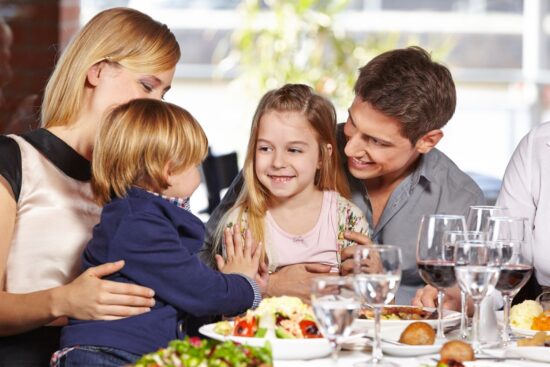
The proper arrangement also helps when children become restless. Parents appreciate layouts that allow them to reposition seating slightly or adjust a chair without disturbing others. Restaurants with flexible seating, such as movable chairs or family-friendly booth designs, create a smoother flow. These small details make it easier for parents to guide the moment with confidence.
A Closing Note on Family-Friendly Design
Parents are naturally drawn to eateries that are easy to enjoy. When the seating is comfortable, the tables are helpful, and the layout fits with the flow of family life, the whole visit is more peaceful and memorable. These design decisions set the mood for the dinner, making parents feel supported instead of overwhelmed. A well-thought-out plan helps everyone relax, eat, and be together.
As more families choose restaurants based on comfort and ease, businesses that invest in improved seating and table configurations that make sense have a distinct edge. They create places where kids can relax, parents can feel heard, and time spent together feels more special. A family-friendly design isn’t only about the furniture; it’s also about making experiences that families will want to have again and again.