Parents want their children to grow up healthy. They make sure they eat well and stay active, but good health is not only about the body. A child’s emotional health is just as important. It affects how they learn, make friends, solve problems, and deal with everyday challenges. When children learn to understand their feelings, they grow into stronger and more confident adults.
What Is Emotional Health?
Emotional health means knowing how to understand feelings, express them in healthy ways, and deal with everyday situations.
Every child feels happy, sad, angry, scared, or worried at times. These feelings are a normal part of growing up. What matters is learning how to handle them.
Children with good emotional health are more likely to:
- Talk about their feelings
- Bounce back after disappointments
- Make good friends
- Show kindness to others
- Keep trying when something is difficult
These skills help them throughout life.
Physical Health and Emotional Health Work Together
A healthy body supports a healthy mind, and a healthy mind supports a healthy body.
Children who sleep well, eat healthy food, and stay active often feel happier and have more energy. On the other hand, stress, anxiety, or sadness can also affect the body.
Some common signs include:
- Trouble sleeping
- Headaches
- Stomach aches
- Feeling tired
- Eating more or less than usual
If emotional problems are ignored, they can affect their daily life routine and overall health. That is why both physical and emotional health deserve equal attention.
Why Children Need Emotional Skills
Children are learning something new every day. Along with reading and math, they also need to learn how to handle emotions. When children build healthy coping skills, they are better able to:
- Stay calm during stressful moments
- Make better choices
- Feel more confident
- Handle disappointment
- Talk to others in a respectful way
These are life skills that stay with them as they grow.
Some children may need extra support. In these cases, dialectical behavior therapy treatment can help children who have trouble managing strong emotions or impulsive behavior. It teaches useful skills like emotional regulation, mindfulness, healthy communication, and better ways to cope with difficult situations.
Signs Your Child May Be Struggling
Children do not always say when something is wrong. Instead, their behavior may change.
Look for signs such as:
- Frequent anger or emotional outbursts
- Staying away from family or friends
- Trouble paying attention at school
- Constant worry
- Losing interest in favorite activities
- Changes in sleep or eating habits
These signs do not always point to a serious problem. But if they last for weeks, it is a good idea to talk with your child’s doctor or a mental health professional.
Simple Ways to Support Your Child’s Emotional Health
You do not need expensive programs or special equipment. Small things you do every day can make a big difference.
1. Listen Carefully
Give your child time to talk. Do not rush to solve every problem. Sometimes they simply want someone to listen. When children feel heard, they feel supported.
2. Help Children Name Their Feelings
Teach them simple words for their emotions.
For example:
- Angry
- Nervous
- Sad
- Excited
- Lonely
When children can name their feelings, they can deal with them more easily.
3. Keep a Daily Routine
Children feel safer when they know what to expect. Regular meal times, bedtime, homework, and family time create a sense of security.
4. Encourage Active Play
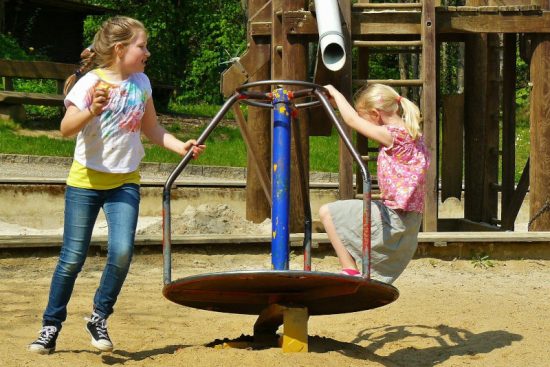
Exercise is good for the body and brain. Go for a run, bike ride, dance, or play outside to improve your mood and decrease stress.
5. Reduce Screen Time
Too much time on phones, tablets, or computers can affect sleep and mood. Make time for outdoor play, books, hobbies, and family conversations instead.
When to Ask for Help
Every child has bad days. But if emotional problems continue for a long time, professional help may be needed.
Talk to a doctor or mental health professional if your child has:
- Severe anxiety
- Ongoing sadness
- Aggressive behavior
- Self-harming behavior
- Big changes in personality
- Difficulty at home or school
Getting help early leads to better outcomes.
Building Stronger Kids for the Future
Kids don’t naturally know how to handle their feelings. Their parents, teachers, and the things they do every day teach them.
Parents help their kids get stronger and more confident by listening, being patient, and teaching them good ways to deal with problems. As they grow, these skills prepare them to face life challenges with confidence.
Help Kids Build Emotional Strength for Life
A healthy child needs more than good food and exercise. They also need love, support, and the skills to understand their feelings.
When parents care for both emotional health and physical health, they give their children the best chance to grow into healthy and confident adults.