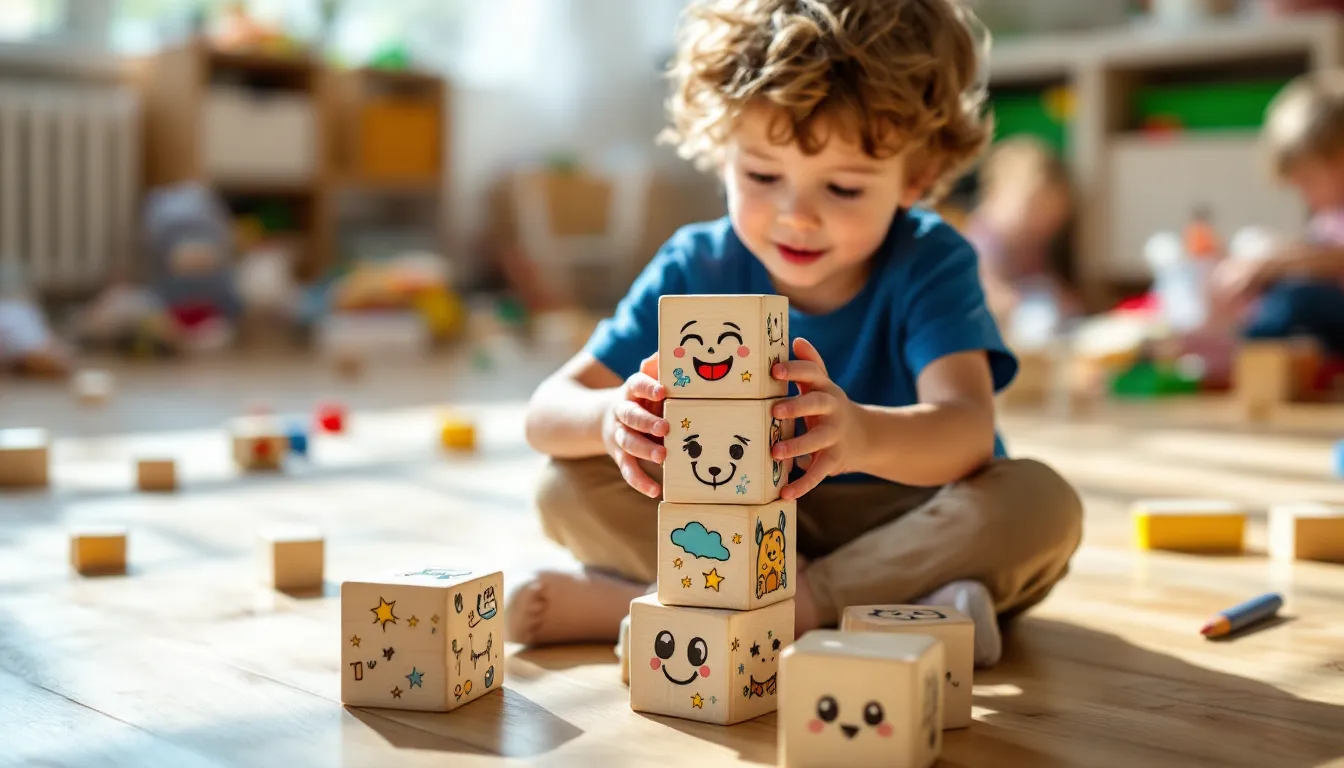
Early childhood learning includes programmes and approaches for children from birth to eight years old. This stage is crucial, as children’s brains are rapidly developing, forming connections that will shape thinking, emotions, and how they get along with others for years to come. Understanding the importance of early education can help parents and educators support children during this formative period.
What happens in these early years really matters. The skills and abilities picked up now, from basic reading and counting to emotional resilience, are the building blocks for everything that follows—both at school and beyond.
Many see these early years as the most important for shaping how we learn and interact with the world. Positive experiences during this time help children feel ready for school, and can lessen gaps between children from different backgrounds. Prioritising early childhood education leads to better learning outcomes and can help level the playing field as children grow older.
However, millions of children across the globe miss out on these vital early learning experiences. According to UNESCO, around 35 million five-year-olds have never received any pre-primary education. This highlights just how important it is to focus more resources and attention on early childhood learning, ensuring all children get the right start.
The Importance of Early Brain Development
Children’s brains grow at an incredibly fast rate in the first few years, shaping how they learn for the rest of their lives. By age five, about 90 per cent of a child’s brain growth has already happened.
Simple things like hugs, chats, and games with parents or carers help form millions of connections in the brain. These early moments set up the way children learn, interact, and even manage their health later on. How often and how well these connections are made can affect a child’s ability to think and get on with others.
The experiences children have now aren’t just about today. They help build the pathways in their brains that they’ll use for more complicated skills later. Talking, reading, and singing together not only develop language but are key to a child’s ability to solve problems and think in new ways.
Even the most everyday activities with children can spark brain growth. Each shared story or song can grow their vocabulary and encourage questions and curiosity. That is why these first few years matter so much; the right experiences now really can open doors for the future.
Benefits of Early Childhood Learning
Early childhood learning does so much more than teach ABCs and numbers. Schools such as Harrow International School in Hong Kong recognise that investing time, care, and resources into the early years helps close the gap between children from different backgrounds, giving everyone an equal shot at reaching their best. These years are the building blocks for everyone to feel included and play an active part in society. Giving every child this chance helps whole communities come together and get along better, which really is the bedrock of a fair and just society.
There’s a clear economic upside too. Countless studies show that investing in young children brings bigger rewards than trying to make up for it later. Fewer kids need catch-up classes, there’s less reliance on welfare, and over time, fewer people end up in trouble with the law. Children who get quality early education arrive at school ready to learn, which means they’re likely to do better year after year. This early boost narrows the gap seen at the first day of school between wealthier and poorer children, paving the way for a workforce that’s better equipped for whatever the future brings. Supporting high-quality early childhood care isn’t just great for each child; it’s key to building stronger communities and brighter futures for everyone.
Access to Early Childhood Care and Education
Access to early childhood care and education (ECCE) still differs widely from one country to another, with some children getting a good start and others completely missing out. According to UNESCO, one in four five-year-olds—about 35 million children—have never been to any pre-primary school at all.
Even though research has highlighted so many advantages to early learning, only half of countries currently make pre-primary education free for all. There have been positive steps, though; globally, more children are now signed up for pre-primary education, with enrolment rising from 46% in 2010 to 61% by 2020, and three out of every four youngsters are taking part in some form of organised learning before they start school.
These gains aren’t enjoyed everywhere. In countries with lower incomes, less than two-thirds of children regularly join organised early learning, and many miss out on a supportive home environment, with just 64% having nurturing care at home. Policies play a big role in widening access to ECCE, yet inconsistent rules make progress slow. Where governments fall short, the private sector often steps in; as a result, by 2019, over a third of children in pre-primary education went to private institutions. This is a bigger share than at primary or secondary level. Unfortunately, this can mean weaker oversight and not enough funding, since only a small slice—about 6.6%—of education budgets is spent on pre-primary learning.
People are paying more attention to how important ECCE is, but budgets aren’t always reflecting that priority. If children everywhere are to have a fair shot at high-quality early education, countries need to boost public investment, strengthen policies, and bring in clearer rules, so that every child gets the best possible start in life.
Challenges in Early Childhood Education
Policy gaps and patchy rules make early childhood education a real headache in many countries. With everyone doing their own thing, it’s tough to provide joined-up support for young children and their families—especially where money and solid systems are short.
Uneven funding adds to the problem. Even though we know early years care has huge benefits, spending remains low. On average, only 6.6% of education budgets is spent on pre-primary education, with the world’s poorest countries often managing just 2%. That’s way off UNICEF’s 2030 target of 10%.
This lack of investment means many families, especially those without much money, simply can’t afford private options. The gap between children from different backgrounds keeps growing as a result. More than a third of pre-primary-age children go to private settings, showing how much private groups matter in this space—unfortunately, it’s rarely clear who checks their quality or keeps standards high.
To fix these issues, there’s a pressing need for joined-up policies and more public spending. Stronger rules and better funding models are vital to make sure every child gets a proper chance at quality early education, closing achievement gaps and boosting long-term benefits for all.
Innovative Solutions and Approaches
Creative thinking in early childhood care and education (ECCE) can go a long way in opening doors for children who might otherwise be left out. One standout example is the use of mobile kindergartens. These are specially equipped vehicles with trained staff and educational resources, driving straight to the doorstep of families in areas that would never see a traditional nursery building.
By taking education on the road, mobile kindergartens make it possible for children in distant or overlooked communities to start learning early. This direct approach brings fun, structured play, and essential skills right to where families live, breaking down everyday barriers to learning.
Efforts like these really only work with solid backing from government and key organisations. If there’s no commitment from those in charge, great ideas such as mobile kindergartens simply won’t take off or keep going.
Support from political leaders is needed to change the rules, set money aside, and create strong frameworks that support early years education. When countries put early learning at the top of their priority list, it’s easier to make real and lasting improvements in both who gets access and how good that education is. This opens the door to a brighter start in life for children everywhere.