

Maintaining a tidy yard takes consistent effort every week during warm months. Many property owners feel trapped by endless weekend lawn projects that drain free personal time. Streamlining yard maintenance lets you enjoy outdoor living spaces without sacrificing whole weekend days.
Smart strategy adjustments can streamline yard tasks without sacrificing property appearance. Applying simple practical techniques turns lengthy yard work into quick, manageable routines. Clear planning creates more free hours every Saturday.
Track and Streamline Lawn Care Routines
Keeping track of seasonal property chores reduces wasted effort throughout spring and summer. Homeowners spend an average of 70 hours per year on outdoor lawn maintenance and yard work. High hour counts stem from disorganization rather than actual physical workload.
Creating a clear yard task schedule keeps weekly work under firm control. Grouping tasks by location prevents walking back and forth across the property repeatedly with heavy tools. Setting specific time limits for each task keeps momentum high and prevents unnecessary delays.
Simple schedule updates clear out redundant steps before pulling out lawn equipment. Sticking to predictable maintenance days creates efficiency that compounds each week, saving precious energy during peak growing seasons.
Upgrade Equipment to Cut Down Setup Preparation
Gasoline yard tools demand tedious preparation before starting any simple cleanup task. Homeowners who switch to battery-powered string trimmers can trim fence lines immediately with no need to mix fuel or pull start cords. Modern cordless gear delivers full power at the push of a button to finish trimming tasks fast.
Eliminating gas cans and spark plug changes reduces pre-work friction. Storing charged lithium batteries on wall mounts keeps tools ready for action at a moment’s notice. Fast equipment prep turns hour-long jobs into swift fifteen-minute maintenance stops.
Establish Clear Zones for Weekly Maintenance
Dividing a property into smaller maintenance zones simplifies weekly yard management. Working on one distinct zone per day prevents physical fatigue and keeps attention sharp. Rotating zones throughout the week guarantees every corner gets proper care.
Front yards, back patio areas, and side garden beds require different attention levels. High-visibility zones need frequent quick touch-ups, while back perimeter areas can wait for biweekly sweeps. Dividing chores logically stops small tasks from turning into giant weekend projects.
Setting up clear boundaries lets family members share outdoor workload efficiently. Assigning specific zones to individual family members builds accountability and speeds up completion times. Clear division of labor turns property care into smooth team tasks.
Implement Smart Watering and Mulching Hacks
Soil moisture management reduces garden upkeep hours. Applying thick mulch layers over open soil suppresses weeds and locks in soil moisture for days. Smart mulching cuts back on manual weeding and frequent hose dragging across lawn areas. A few strategic adjustments to garden bed management save substantial time every week:
- Apply a three-inch layer of organic mulch around shrubs and flower beds
- Install automated drip irrigation timers for precise morning lawn watering
- Group plants with identical water needs together in shared garden beds
- Use broad garden edging borders to keep grass roots from creeping into flower beds
Automated irrigation systems deliver precise water amounts directly to plant roots. Setting timers to run early in the morning avoids water loss from afternoon evaporation. Automated watering frees up morning hours and maintains healthy lawn growth.
Switch to Quieter Modern Yard Power Equipment
Noise and vibration from heavy gas engines add physical strain during yard chores. Electric string trimmers produce 75 percent less operational noise compared to small two-stroke gas engines. Lower sound levels create a more comfortable working environment for home operators.
Quieter power tools permit early morning or late evening yard sessions without disturbing nearby neighbors. Working during cooler morning hours protects against midday heat exhaustion during summer months. Cooler temperatures help operators maintain a steady work pace.
Reduced engine vibration keeps hands and arms from fatiguing quickly during extended trimming jobs. Smooth power delivery improves control along flower beds, lawn edges, and concrete walkways. Less operator fatigue leads directly to faster overall chore completion.
Plant Native Perennials to Reduce Long-Term Upkeep
Choosing plant species adapted to local climate conditions cuts seasonal garden care. Incorporating native perennial plants cuts outdoor watering and pruning tasks by half over two seasons. Native species thrive naturally without heavy fertilizer application or constant manual attention.
Replacing needy non-native plants with hardier native options reduces plant replacement costs. Native perennial root systems anchor deeply into local soil, resisting drought periods with minimal extra care. Tougher plants call for fewer chemical treatments to ward off common yard pests.
Designing garden beds with self-sustaining native flora simplifies seasonal yard management. Less time spent dragging hoses or trimming dying stems leaves more time for outdoor relaxation. Sustainable gardening choices keep properties looking pristine with minimal labor input.
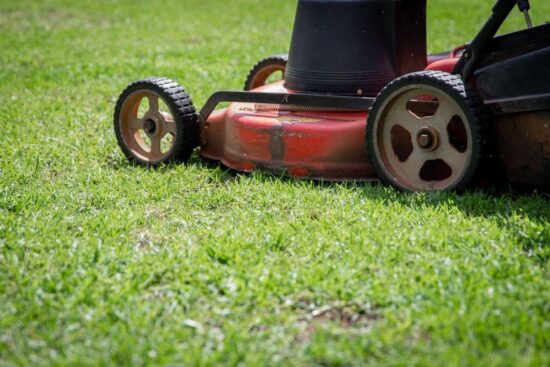
Streamlining outdoor chores depends on choosing the right tools and organizing tasks the smart way. Upgrading power equipment, setting up lawn zones, and picking native plants reclaims valuable weekend hours.
Small changes in yard routines create massive time savings throughout the warm season. Take action today to transform tedious property maintenance into stress-free outdoor care.