Children can feel worried in new places. Everything seems unfamiliar. Parents can help reduce stress with simple steps. A calm approach builds trust fast. The right support helps kids explore with confidence. With care, change feels easier. These ideas make new spaces feel safe for children and help them settle in gently. Every child deserves comfort and security, even during big changes.
Create a Calm Welcome Area
A calm welcome area can help children relax quickly. Pick a small spot where they can sit and adjust. Keep the space clean and warm. Soft seating brings comfort. Gentle light supports a peaceful mood. Place a few familiar items nearby. Allow kids to take in the new place slowly. So they feel more grounded. Parents can guide them with encouraging words.
The goal is to support confidence and comfort. This simple setup creates safe and child-friendly spaces without much effort. A calm and welcoming start can make the rest of the transition easier for children.
Bring Comfort Items from Home
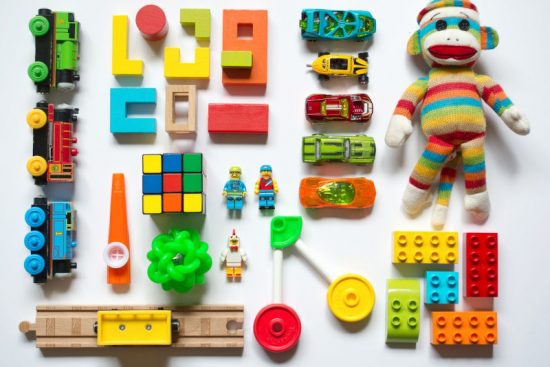
Comfort items help children adjust faster in new places. A favorite toy or blanket feels familiar and soothing. These objects remind kids of safety at home. Parents can let children choose what they want to bring. This gives them control and comfort. A small bag with loved items can become their security kit. It can include a pillow, a stuffed animal, or storybooks.
These things help them settle more easily. They also support creating a sense of home for children after a move in a simple way. Familiar items reduce stress and bring smiles. Small comforts make a big difference.

Explore the Space Together
Exploring the new space together helps children feel supported. Walk slowly through the key rooms. Point out where they can find important things. Share what each area is for in simple terms. This lowers stress and sparks curiosity. Let children open drawers or doors with help. Giving small choices boosts confidence.
Stay close while they explore. Your presence brings comfort and security. These steps help make new spaces feel safe for children, even if everything feels strange at first. Exploration builds trust in the environment and encourages calm adjustment.
Keep Routines Steady
Routines help children feel secure in new places. Regular meals and bedtime habits give comfort. Familiar steps make life feel normal again. Keep morning and evening rituals the same, as much as possible. Use favorite music during play or quiet time. Bring familiar snacks to ease the change. Even short routines can provide stability.
Make sure to share each step clearly. This builds trust and reduces worries. A steady routine also encourages better sleep and behavior. With consistency, children feel ready to explore. Simple habits guide them through a new environment with confidence and peace.
Moving to a New Home
Relocation can bring many strong feelings for children. New places may feel overwhelming at first. Parents can help by staying patient and calm. Unpack comfort objects before anything else and keep favorite items close during the first days. You can also visit a nearby park early to build positive connections. Meet neighbors or friendly faces together.
It also helps to talk about the move and listen closely. Considering how often families move, these steps are useful for many situations. Encourage kids to share emotions without pressure. With care, a move becomes an adventure they can enjoy.

Add Clear Rules and Boundaries
Clear rules help children feel secure in new environments. They understand what is safe and what is not. So, keep the rules simple and easy to follow and share them early with calm, friendly words. Visual reminders can also support understanding. For example, use small signs for areas that are off-limits. Praise children when they follow the rules well.
Positive feedback builds confidence. Boundaries guide children through the space with care. They also help prevent accidents. When children know what to expect, they feel more relaxed. By setting clear boundaries and expectations, parents support happy exploration and steady adjustment to their new surroundings.
Encourage Personal Touches
Personal touches help children feel welcome in a new space. So, give them a small area to decorate, whether it’s a desk, a corner, or a shelf. Stickers, drawings, or family photos also work well. Let children choose where to place their things. This builds pride and comfort. They feel the space belongs to them.
These small choices can make new spaces feel safe for children by adding familiarity. Celebrate their ideas and efforts. A little freedom helps them relax, adjust, and enjoy the new environment sooner.
Create Predictable Signals
Predictable signals help children understand what happens next. Use a small bell, a gentle sound, or a light change to guide transitions. Show them what each signal means. This can support daily tasks such as meals, play, or bedtime. Signals keep routines smooth even in new places. They reduce confusion and worry.
Children gain confidence when they can predict events. Simple reminders also prevent rushing or surprises. With clear signals, children adjust faster and stay calm. Predictability gives them a solid base while they explore their new environment.
Offer Reassurance with Presence
Children feel safer when their caregivers stay close. Stay nearby during the early days in the new space. Offer calm words and pay attention to their reactions. Hold their hand if needed. Watch for signs of worry. Encourage questions and answer simply. Your support builds trust.
Warm hugs and gentle smiles also help a lot. Practicing these mindful parenting techniques strengthens the bond. As confidence grows, children explore freely. Presence reassures them that change can feel okay and even exciting.
Invite Play and Joy
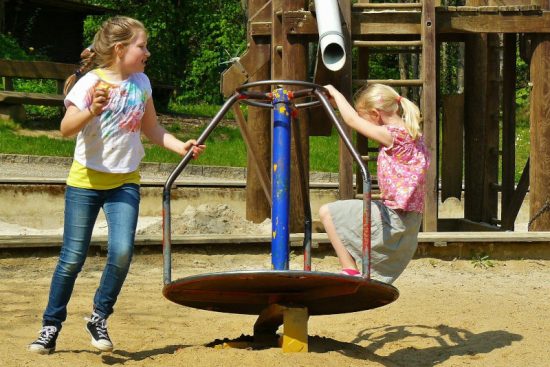
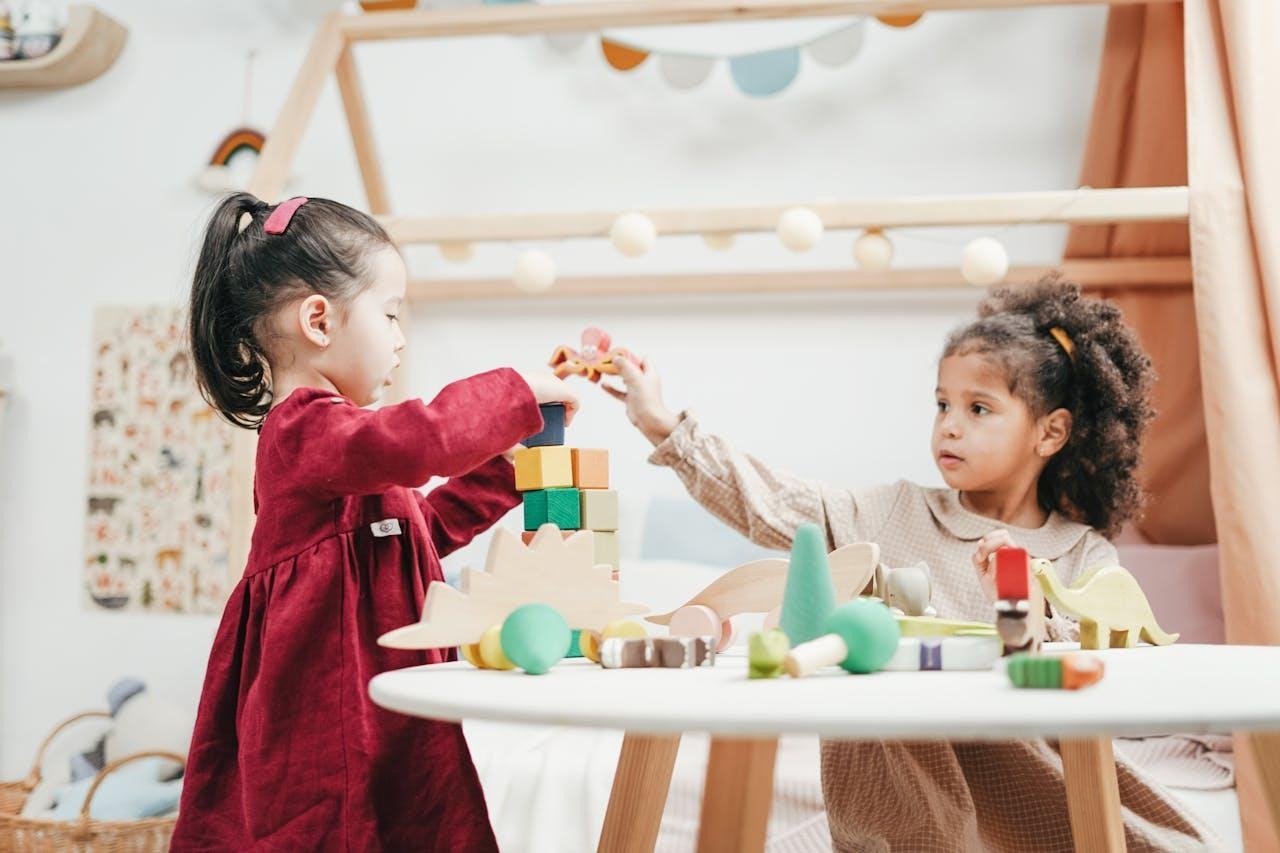
Play helps children relax and enjoy new spaces. Add fun moments throughout the day. Simple games can help them explore without fear. Laughing together reduces stress fast. Bring a few playful items that spark joy. Encourage movement and active discovery. Social play with siblings or new friends also builds comfort.
Let children take breaks when needed. Joy reminds them that change can bring good things. With play, new environments feel friendlier and start to feel like home. A happy experience supports confidence and a strong sense of safety.
Helping Kids Feel at Home
Small steps can make new spaces feel safe for children. Comfort, routine, and support build confidence fast. Kids adjust more easily when they feel secure. Celebrate progress and stay patient. With care, every new place becomes a positive space where children can grow and smile.