Creating inviting family gathering spaces requires careful consideration of both functionality and aesthetics. The fabrics you choose for these high-traffic areas must withstand constant use while maintaining their appearance and comfort over time. Understanding fabric durability ratings, material types, and performance characteristics is essential for making informed decisions that will serve your family well for years to come.
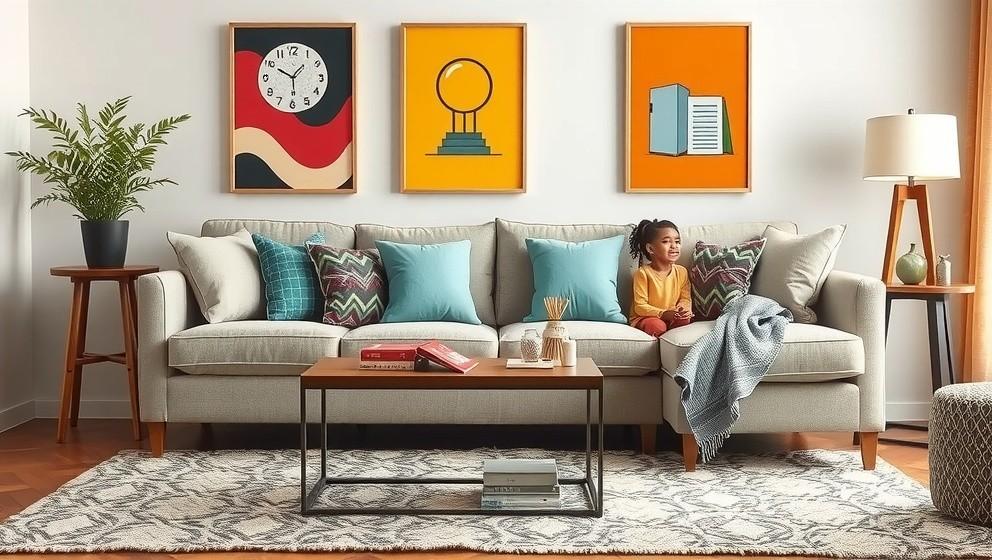
When designing these spaces, the combination of durable textiles and complementary décor elements creates a cohesive environment that balances practicality with style. While sturdy upholstery provides the functional foundation, decorative elements like trendy posters can add personality and visual interest without compromising durability requirements. This thoughtful approach ensures your family gathering spaces remain both beautiful and resilient under heavy use.
Understanding Fabric Durability Testing And Ratings
The durability of fabrics is scientifically measured through standardized testing methods that simulate real-world wear and tear. The most common measurement is the “double rub” test, which evaluates how many times a fabric can withstand back-and-forth rubbing before showing signs of wear. For residential high-traffic areas, fabrics should have a rating of around 15,000 double rubs, while commercial-grade options can endure 30,000 double rubs or more.
Industry-standard tests like the Wyzenbeek and Martindale methods provide reliable indicators of fabric longevity in family environments. These tests help manufacturers and consumers understand how different materials will perform under stress. The testing process involves mechanical devices that repeatedly rub fabric samples until they show visible wear, providing quantifiable data about durability expectations.
Heavier fabrics generally offer superior durability and structural integrity, making them ideal choices for upholstery in frequently used spaces. The weight of a fabric often correlates with its ability to maintain shape and resist wear over time. However, durability isn’t solely determined by weight – the weave pattern, fiber quality, and finishing treatments all contribute to a fabric’s overall performance in high-traffic environments.
Understanding these ratings helps families make informed decisions about their investment in furniture and textiles. When shopping for upholstery, always ask for the double rub rating and compare it against your family’s usage patterns. A busy household with children and pets will benefit from fabrics with higher ratings, even if they come at a premium price point.
Material Types And Their Performance Characteristics
Different fabric materials offer varying lifespans and performance characteristics in family gathering spaces. Cotton fabrics with durable weaving typically last 5-10 years, while wool can endure 15-20 years of regular use. Leather stands out as an exceptionally long-lasting option, often maintaining its quality for over 25 years when properly cared for.
Performance fabrics that blend synthetic and natural fibers have gained popularity among families seeking the best of both worlds. These innovative materials combine the comfort and breathability of natural fibers with the stain resistance and easy maintenance of synthetic materials. Brands like Crypton and Avery Duramax have developed specialized fabrics engineered specifically for durability and maintenance ease, with Crypton lasting 5-10 years and Avery Duramax extending to 10-15 years even in demanding environments.
The longevity of any fabric depends on multiple factors beyond the material itself. Frequency of use, maintenance routines, environmental conditions, and manufacturing quality all play crucial roles in determining actual lifespan. Families must consider their specific usage patterns and maintenance capabilities when selecting fabrics for their gathering spaces.
Microfiber fabrics deserve special mention for their exceptional durability and stain resistance. These ultra-fine synthetic fibers create a dense weave that repels liquids and resists wear, making them particularly suitable for homes with young children. Additionally, solution-dyed fabrics, where color is added during the fiber production process rather than after weaving, offer superior fade resistance and color retention over time.
Balancing Durability With Comfort And Sustainability
Modern families face the challenge of balancing durability requirements with comfort preferences and environmental consciousness. While synthetic blends often provide superior stain resistance and longevity, some family members may prefer the feel and breathability of natural fibers. Finding the right compromise requires understanding each family’s priorities and usage patterns.
Commercial-grade fabrics, though more expensive initially, may prove cost-effective for large families or homes that frequently host gatherings. These heavy-duty options offer extended durability that can justify their higher upfront cost through reduced replacement frequency. However, families should also consider whether the enhanced durability comes at the expense of comfort or aesthetic appeal.
Environmental considerations increasingly influence fabric selection decisions as families become more conscious of sustainability. Natural fibers offer biodegradability and renewable sourcing, while synthetic options provide durability that reduces replacement frequency. Some manufacturers now offer eco-friendly performance fabrics that attempt to bridge this gap, using recycled materials or sustainable production methods while maintaining durability standards.
The maintenance requirements of different fabrics also factor into the durability equation. Fabrics that require professional cleaning may not be practical for busy families, regardless of their inherent durability. Consider fabrics with removable, washable covers or those that can be easily spot-cleaned at home. The key is finding fabrics that meet your family’s durability needs while aligning with your values and comfort preferences, ensuring your gathering spaces remain functional and inviting for years to come.