
In today’s fast-changing world, one of the most valuable skills children can develop is the ability to observe, interpret, and respond to what is happening around them. Whether they are solving puzzles, playing games, or interacting with others, kids are constantly learning how to process information in real time.
This type of awareness is not something that develops overnight. It grows through experience, through moments where children notice patterns, make small decisions, and begin to understand how their actions connect to outcomes. Over time, these experiences build a foundation for more complex thinking.
Learning to Notice Patterns Early
Children naturally explore the world by looking for patterns. From recognizing shapes and colors to understanding routines, pattern recognition plays a central role in early development.
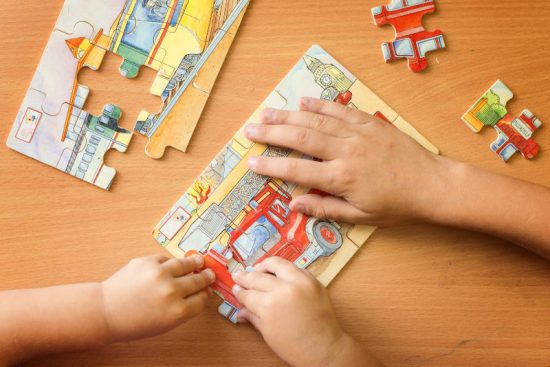
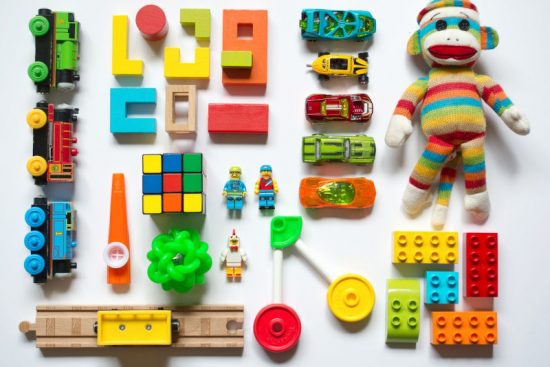
Simple activities like building blocks, sorting games, or puzzles encourage kids to observe differences, identify similarities, and predict what comes next. These small exercises help train the brain to process information more efficiently.
As children grow, this ability becomes more refined. They begin to notice not just obvious patterns, but also subtle changes, how situations shift, how actions lead to different results, and how timing can influence outcomes.
From Play to Real-Time Thinking
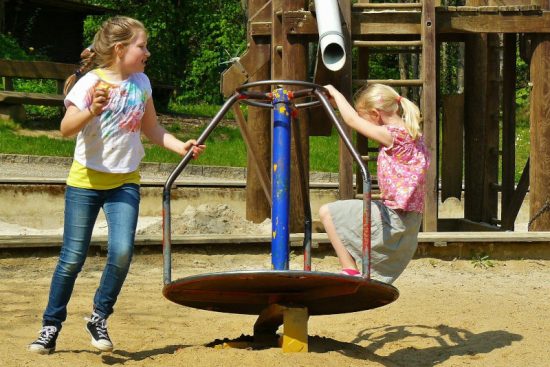
Play is often where real-time thinking begins to take shape. Games that involve timing, reaction, and decision-making require children to stay focused and adapt quickly.
For example, when a child plays a fast-paced game, they are not just reacting randomly. They are watching cues, adjusting their actions, and learning from immediate feedback. This creates a dynamic learning environment where thinking and doing happen at the same time.This same type of engagement exists in more complex systems as well. In environments where information updates continuously, individuals learn to interpret signals and respond accordingly. For instance, using Kraken Pro trading app introduces a setting where users observe how price movements, order books, and liquidity levels evolve in real time. Watching how activity builds around certain levels, how supply and demand shift, and how sudden changes affect outcomes reflects a more advanced version of the same pattern-recognition skills children begin developing through play.
The connection is not about the activity itself, but about the underlying ability: learning to read changing conditions and respond with awareness.
Building Decision-Making Confidence
As children become more comfortable recognizing patterns, they also become more confident in making decisions. This confidence comes from understanding that actions have consequences, and that those consequences can be observed and learned from.
In everyday life, this might mean choosing how to solve a problem, how to approach a task, or how to respond in a social situation. Each decision becomes part of a feedback loop that strengthens their ability to think independently.
Encouraging children to make small decisions on their own helps reinforce this process. It teaches them that uncertainty is not something to avoid, but something to navigate.
Understanding Change and Adaptability
One of the most important lessons children can learn is that not everything stays the same. Situations change, conditions shift, and outcomes are not always predictable.
Helping children become comfortable with this idea builds adaptability. Instead of becoming frustrated when things don’t go as expected, they learn to adjust and try new approaches.
This mindset is especially important in a world where change happens quickly. The ability to stay aware, flexible, and responsive is a skill that extends far beyond childhood.
The Role of Guidance and Environment
While children naturally develop these skills through play and experience, guidance from parents and educators plays a key role. Creating environments where curiosity is encouraged and exploration is supported helps children engage more deeply with the learning process.
This does not require complex tools or structured lessons. Often, simple activities, asking questions, encouraging observation, or discussing outcomes, are enough to reinforce important concepts.
According to UNICEF, early learning environments that promote exploration, interaction, and problem-solving contribute significantly to cognitive development and long-term learning outcomes. These principles align closely with the idea of helping children engage with the world in an active and thoughtful way.
Encouraging Awareness in Everyday Moments
Opportunities to build real-time awareness are present in everyday life. Whether it is noticing how a toy works, understanding how a game unfolds, or observing changes in their surroundings, children are constantly gathering information.
The key is to encourage them to pay attention. Asking simple questions like “What do you think will happen next?” or “Why do you think that changed?” helps guide their thinking and reinforces their ability to interpret situations.
Over time, these small moments add up. They shape how children approach challenges, how they process information, and how they make decisions.
Preparing for a Complex World
As children grow, the environments they interact with will become more complex. Technology, information, and systems will play an increasingly important role in their lives.
By developing strong observation and decision-making skills early on, children are better prepared to navigate these environments. They learn not just to consume information, but to understand it. This ability, to interpret, adapt, and respond, is one of the most valuable skills they can carry forward.
Conclusion: Learning to Think, Not Just React
At its core, real-time awareness is about learning to think rather than simply react. It is about understanding that every situation contains information, and that this information can be used to make better decisions.
From simple play activities to more complex systems, the process remains the same. Observe, interpret, act, and learn. By encouraging children to engage with the world in this way, parents and educators are not just teaching skills, they are helping shape confident, curious individuals who are ready to navigate whatever comes next.