Technology premiumjoy offer clear educational value and high safety standards for young learners. The brand uses non-toxic materials and simple designs. Parents and teachers trust the set for durable pieces and accurate images. The guide explains materials, age guides, learning goals, and daily care. It aims to help caregivers pick puzzles that match a child’s skill and interests with confidence.
Key Takeaways
- PremiumJoy children puzzles prioritize safety with non-toxic materials, smooth edges, and compliance with US and EU standards to protect young learners.
- The puzzles cater to varying skill levels with age-specific sets featuring appropriate piece sizes and image complexity to support developmental milestones.
- Each puzzle box clearly states learning objectives and recommended age, helping caregivers confidently match puzzles to a child’s skills and educational goals.
- Durable materials like FSC-certified boards and moisture-resistant pieces ensure longevity, with replacement options available for worn or missing parts.
- Caregivers and educators can enhance learning through guided puzzle sessions, group activities, and progress tracking using suggested prompts and downloadable activity cards.
- Storage and care tips optimize puzzle use and preservation, including labeled bins, gentle cleaning methods, and choosing magnetic sets for travel convenience.
What Makes PremiumJoy Puzzles Different: Materials, Design, And Safety
premiumjoy children puzzles use thick, FSC-certified board and food-grade inks. The company cuts pieces with smooth edges. The brand tests products to meet US and EU safety rules. Caregivers can read certification labels on each box. The pieces resist bending and resist moisture from small spills.
The designs show real-world objects and simple scenes. The images use high contrast and clear outlines. Designers limit small visual details for younger sets. The brand adds tactile elements to some puzzles. Tactile pieces help children with sensory processing and fine motor skill practice.
premiumjoy children puzzles come in different sizes. Large-piece sets suit toddlers. Medium-piece sets match preschoolers. Small-piece sets challenge older children. The brand marks recommended ages on packaging. The age labels reflect piece size, image complexity, and the number of pieces.
The company follows non-toxic paint rules. They publish lab reports on request. Caregivers can contact support for material safety data. The brand includes a clear choking-hazard label on boxes for small pieces. The label helps teachers and parents prevent accidents.
premiumjoy children puzzles include quality-control steps. Workers inspect random batches of pieces. The company replaces sets that show manufacturing defects. The warranty covers missing pieces and severe wear. Buyers register purchases online to access the warranty.
How To Choose The Right PremiumJoy Puzzle By Age, Skill, And Learning Goals
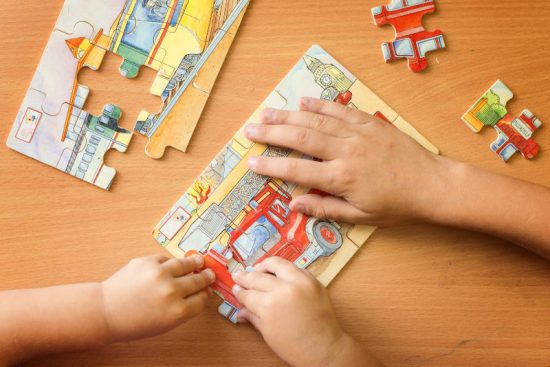
Caregivers should match puzzle choice to a child’s current skills. For toddlers, caregivers pick puzzles with 2 to 12 oversized pieces. These puzzles focus on hand-eye coordination and shape recognition. For preschoolers, caregivers choose 12 to 48 pieces. These puzzles add narrative images and basic problem solving.
For early readers, caregivers select puzzles that pair images with simple words. These sets boost vocabulary and phonics. For school-age children, caregivers choose 48 to 200 pieces. These puzzles challenge spatial reasoning and sustained attention. The brand offers themed sets for history, nature, and STEM concepts.
Parents who want to develop math skills choose puzzles with number sequences and counting exercises. Educators who want to teach science choose puzzles with labeled diagrams. Caregivers who want to build social skills choose cooperative puzzle sets. The cooperative sets require two or more children to complete one puzzle together.
premiumjoy children puzzles list clear learning objectives on each box. The box states target skills, suggested time, and adult involvement level. Caregivers can use those labels to match classroom or home goals. The brand provides downloadable activity cards for many sets. Activity cards offer step-by-step extensions and simple assessment tips.
Price and durability factor into choice. Caregivers compare laminate finishes and magnetic backing for travel sets. Magnetic sets work well in cars and classrooms. For heavy classroom use, caregivers prefer double-thick board or wooden variants. The brand sells replacement-piece packs to extend set life.
Using PremiumJoy Puzzles At Home And School: Activities, Care, And Storage Tips
Teachers and parents should create short, focused puzzle sessions. Sessions of 10 to 20 minutes fit most children’s attention spans. Adults should model one or two strategies, then let the child try. Adults should ask simple prompts like “Which edge looks like this?” and “Where does this color match?”
The brand includes activity suggestions for group play. Caregivers can split larger puzzles into sections for team work. They can time teams and record improvements across sessions. They can use puzzles as warmups before reading or science lessons. Puzzles can also serve as calm-down activities after recess.
Caregivers should clean pieces with mild soap and a damp cloth. They should avoid soaking board pieces. For wooden pieces, they should use a dilute vinegar solution then dry immediately. Caregivers should air-dry pieces in a single layer to prevent warping. The brand recommends monthly inspections for wear in classroom settings.
For storage, caregivers should use labeled bins or resealable pouches. Sorting trays help early learners find edge pieces first. The brand sells stackable boxes that contain one set per box and include a puzzle image on the lid. For mixed classrooms, caregivers color-code boxes by difficulty or theme.
When travel matters, caregivers choose magnetic travel sets. They secure pieces with a thin elastic strap or a storage pouch. For long-term preservation, caregivers store puzzle boxes away from direct sunlight and extreme humidity. The brand recommends replacing heavily worn pieces and offers an easy process to order replacements.
Teachers can measure progress with quick checks. They can time a child completing the same puzzle across weeks. They can log improvements in speed, accuracy, and verbal explanation. These simple metrics help teachers show clear learning gains from premiumjoy children puzzles.