
Providing your child with the best beginning does not just mean having basic needs met. It is about the provision of emotional care, play and joyful interaction, staying healthy and planning early for a healthy future. By dedicating their attention to supporting habits and giving priority to nurturing practices, developmentally sensitive activities, and preventive measures, new parents can establish strong bases that can underpin learning, social skills, and long term well-being. The knowledge of these initial measures will contribute to making sure that children become well-adjusted, confident, and healthy persons.
Why Early Childhood Foundations Matter More Than the Parents Realize
Early childhood experiences play an important role in brain development, emotional growth, as well as learning about social life. The effectiveness of habits developed during early childhood continues with the development of confidence, behavior, physical and mental wellbeing well into adulthood.
Rudimentary habits such as reading, healthy eating and routine schedules impart stability and self control. Prioritizing early emotional attention, organized play, and health literacy allows parents to provide children with a mechanism to face adversities and develop resilience, which forms the basis of success in their lifetime.
The Role of Play in Your Child’s Early Growth and Happiness
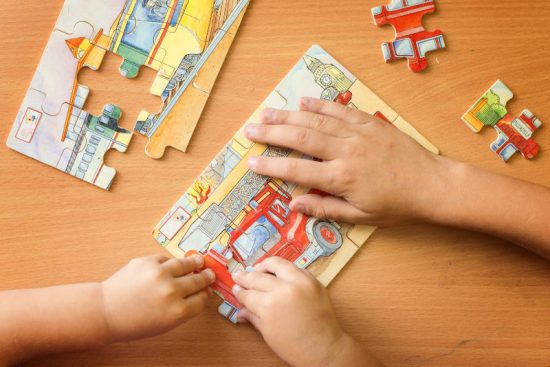
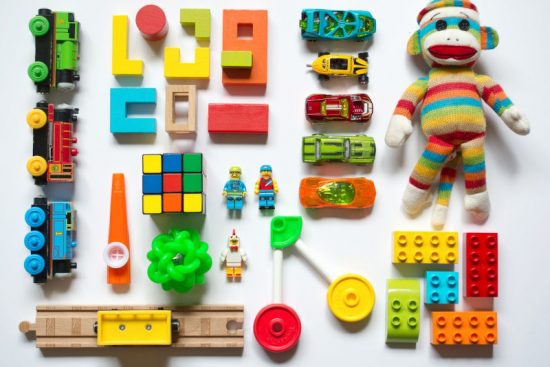
Play is not only fun, but is also a very important learning instrument. Early childhood play helps stimulate emotional growth, enhance motor skills, and help children learn how to interact with others. Games and the best toys for babies stimulate curiosity, and creativity. Involved parents help children to connect, discover the world, and acquire the necessary skills in life in a safe manner.
The selection of the best toys for babies and toddlers also makes the process of their activities not just entertaining, but also beneficial to their development.
How Play Supports Brain, Motor, and Emotional Development
Children are taught to think, move and express themselves through structured and free play. Hands-eye coordination and fine motor skills are encouraged by playing games with blocks, puzzles, or some interactive games. Play also helps children learn how to cope with emotions, interact with others and how to cope with new challenges.
The constant interaction brings in confidence and a strong relationship between the parent and children which fosters an atmosphere of safety in which curiosity and learning thrives.
Choosing Age-Appropriate Toys for Healthy Development
The toys that should be selected based on the age of the child must be safe and skill-building. Infants are served with objects that are rich in sensory perception such as soft rattles and books with texture whereas toddlers enjoy stacking toys, shape sorters, and simple puzzles. The preschoolers like more complicated problem-solving activities, interactive games, and fantasy play sets. The safety, durability, and educational value should always be a priority to ensure maximum cognitive and motor development.
Building Strong Health Habits From Early Childhood
Good habits practiced in childhood tend to carry on in life. The nutrition, hygiene, and preventive care allow children to prevent diseases and become resilient. Promoting handwashing on a daily basis, dental visits, healthy diets, and sleep is a good way to promote growth, and a life-long example of self-care. Preventive measures at a young age make children learn the need of taking care of their bodies and preconditions healthy adult life. Among these preventive habits, dental health is one of the most commonly overlooked areas in early childhood.
Common Dental Issues in Kids Parents Should Watch For
Among common childhood health concerns, dental issues are often overlooked, and children may have early cavities, bottle tooth decay, gum irritation, or damage of long-term pacifier use. Dental sealants help prevent decay on permanent teeth [1]. Early intervention by observing such habits as thumb sucking or teeth grinding minimizes dental problems in the longterm. Oral care is vital in dealing with problems that may occur when eating, talking and maintaining general wellbeing.

When to See a Pediatric Dentist
Early examinations will be necessary, even if teeth appear healthy. Symptoms such as discoloration, or pain, or sensitivity are signs that professional care is needed. Many qualified facilities provide reliable pediatric dental care, such as fluorides, dental cleaning, pulpotomy, and sealants to help keep young smiles and prevent oral diseases, LiT Dental clinic is one of them. In addition to daily health habits, understanding a child’s biological background also supports long-term health & future planning.
Important Family and Health Factors Many Parents Overlook
Family history, inherited conditions, and genetic predispositions can significantly affect a child’s long-term health and wellbeing. Knowledge of these factors allows parents to making informed healthcare decisions, implement early preventive measures and guided development. Knowing the biological background of child helps anticipate potential medical issues before they become serious, and supports better future planning of kids.
Why knowing a Child’s Biological and Medical Background Matters
Accurate medical records and family history can reveal inherited conditions, genetic abnormalities, or other biological factors important for a child’s health & future. This information helps parents in making decisions about nutrition, and physical activity, routine medical checkups, and preventive care. By understanding these aspects parents can ensure children develop safely and receive the right support for long term wellbeing.
When should families consider paternity testing as part of responsible parenting
In certain situations, confirming biological parentage can be important for maintaining accurate medical records, understanding genetic risks and planning for a child’s health and future. A DNA paternity test can provide clarity in cases of uncertainty regarding parentage, custody, or child support [1]. Professional DNA testing labs such as Face DNA offer confidential and precise results. Establishing biological relationships ensures parents can access important genetic information, maintain accurate legal records, and make informed decisions for the child’s long-term well being.
Conclusion
Providing a child with the best life start entails taking care of their emotional, social and physical growth and making good plans. The growth, & confidence are promoted through early habits, early childhood play, and age appropriate toys. Physical health is safeguarded by health care, such as regular visits to a pediatric dentist. Being aware of the biological and medical history of a child, in some cases by a paternity test, promotes informed decision-making in the long-term. Making them happy, loving, and planning things beforehand empowers children to live a stable and well-balanced adulthood.
References:
[1] https://litdentalclinic.com/pediatric-dentistry/dental-sealants-for-kids/– Provides information on pediatric dental sealants, how they prevent tooth decay, and support children’s oral health.
[2] https://facednatest.com/services/court-admissible-dna-testing/ – Explains professional DNA paternity testing services, confidentiality, and how results can be used for legal and medical planning.