From a child’s first solo steps to an older adult’s choice to live at home, the desire for independence is a basic human need. Supporting this self-reliance throughout life helps people build confidence, resilience, and a strong sense of self. It means giving our loved ones the right mix of support and freedom, whether they are five or eighty-five.
Why Fostering Independence Matters
Independence isn’t just about doing things on your own; it’s key to personal growth. When people feel capable and in control of their lives, their self-esteem grows. For children, this means they get better at solving problems and are more willing to try new things. For adults and seniors, it helps them keep a sense of purpose and dignity.
Encouraging people to be independent helps them feel confident enough to handle challenges, make decisions, and contribute meaningfully to their families and communities. This sense of capability is essential for mental and emotional well-being at any age.
Supporting Older Adults’ Autonomy
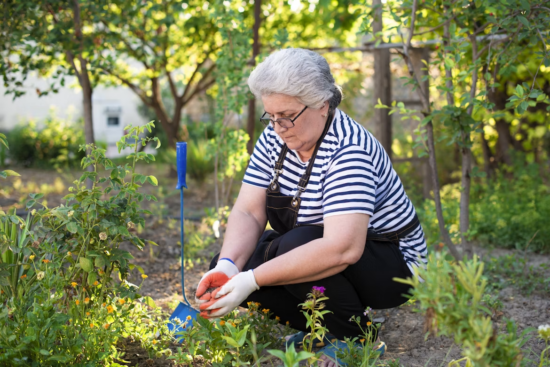
As our loved ones get older, discussions about independence often focus on safety and health. The goal is to respect their wish to live on their own terms while making sure they have the support they need. Talking openly is the first step. Discuss with older family members what they want, what worries them, and what would make them feel safer at home. This could involve small changes at home, regular check-ins, or arranging help with errands.
For many families, this includes practical tools that keep them safe without being too obvious. A personal medical alarm for older adults, for example, offers a safety net that lets seniors keep living in their own homes with confidence.
Empowering Children Through Choice
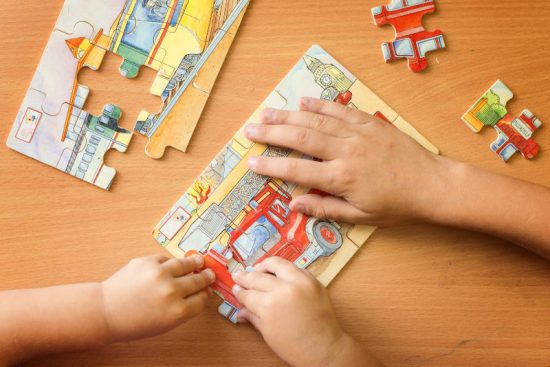
Helping kids become independent starts early with small, manageable choices. Letting a toddler pick between two outfits or letting a grade-schooler choose which vegetable to have for dinner gives them a sense of control. These simple decisions teach them that their opinions matter and help them practice making choices.
As they get older, you can give them more choices. This helps you foster your child’s independence by giving them ownership of their responsibilities, such as when to do homework or how to spend their allowance. This process builds their confidence and gets them ready for bigger decisions later in life.
Activities for Growing Self-Reliance
Giving children age-appropriate responsibilities is a great way to help them become self-reliant. These tasks don’t have to be complicated. For young children, this might mean putting away their toys or helping set the table. For older kids, it could involve making a simple meal, doing their own laundry, or caring for a pet.
The main thing is to give clear instructions and then let them do the task on their own. Celebrating their effort, not just a perfect result, makes them feel more capable and encourages them to take on more challenges. Promoting independence in young children through daily tasks helps build a strong work ethic and a “can-do” attitude.
Technology for Lifelong Independence
Modern technology offers amazing tools to support independence at any age. For kids, educational apps can help them learn new skills on their own, while parental controls keep them safe online. For adults and seniors, smart home devices can make daily tasks easier.
Automated lights, voice-activated assistants, and smart thermostats can make a home safer and more comfortable, especially for those with mobility issues. Video calls help families stay connected over distances, reducing loneliness while respecting personal space. These innovations aren’t meant to replace human connection but to improve a person’s ability to live safely and independently.
Ultimately, supporting independence is about trust and respect. It means giving people the tools and encouragement they need to thrive on their own terms, leading to a lifetime of confidence and fulfillment.