
Let’s face it, buying Legos can feel like a wallet-draining adventure, but we’re here to help you navigate through the sea of colorful bricks. Ever found yourself wondering if that shiny new set is worth your hard-earned cash? Trust us, you’re definitely not alone. In this guide, we’ll explore the Lego price per piece, unravel the mysteries of pricing, and help you figure out the real value of your beloved building blocks, all while keeping our sense of humor intact. So, grab your bricks and let’s immerse.
Lego Price Per Piece
When it comes to Lego pricing, several factors come into play. First up, the complexity of the set is crucial: more intricate designs often demand higher prices. Think of it like a gourmet meal versus a simple sandwich, the former requires more skilled chefs (or in this case, designers).
The size also matters. Larger sets generally yield a better price per piece, as manufacturers scale back on packaging and marketing per block. Also, licensed themes, like those from Star Wars or Harry Potter, tend to be pricier due to their trademarked appeal. We also can’t ignore scarcity: if a set is retired or in high demand, expect prices to climb faster than a kid on a sugar high. Finally, don’t overlook where you’re buying: different retailers, online or in-store, might play around with pricing, sometimes leaving us scratching our heads at the discrepancies.
Average Price Per Piece Across Various Sets
Now, let’s get a bit more numerical. On average, Lego sets can range from about 10 to 30 cents per piece. Starter sets might hit the lower end of that spectrum, while elaborate, limited-edition sets often spike to 40 cents or more.
For example, a classic set like the Lego Creator 3-in-1 sets offer a decent 12-15 cents per piece, making them quite a steal for budding builders. On the flip side, specialty sets, particularly those tied to blockbuster movies, might charge upwards of 25-35 cents per piece, all while boasting flashy figures and unique bricks that scream, “buy me.”
In an ideal world, we aim for that magic number of 10-20 cents per piece, striking a balance between quality and quantity.
Comparing Value: Lego Sets vs. Other Building Toys
We often find ourselves comparing Lego sets to other popular building toys on the market. Brands like Mega Bloks or K’NEX certainly have their appeal, but how do they stack up? In terms of price per piece, Lego can appear pricier, yet we’ve all experienced the superior build quality and intricate designs that come with these iconic blocks.
It’s a trade-off that many builders are willing to make. For instance, while Mega Bloks might offer sets for around 6 cents per piece, they often lack the same level of detail (not to mention compatibility issues with existing Lego sets.).
Eventually, it boils down to what we, as builders, value. If high-quality figures and intricate designs are important to us, Lego is the way to go. But, for those on tighter budgets, other building kits can provide solid fun without completely gutting the piggy bank.
Seasonal Sales and Discounts on Lego Sets
We’ve all seen those magical moments when our favorite stores announce sales, and Lego often joins the party. Seasonal sales, especially around the holidays, can lead to significant savings on popular sets. Black Friday and Cyber Monday are notorious for Lego bargains, leaving us eager to fill our carts without touching our savings.
Also, keep an eye out for clearance sales and special promotions at local retailers. Signing up for store newsletters can lead to exclusive discounts and early access, ensuring we never miss a deal during prime shopping seasons. We might even stumble upon limited offers that allow us to snag that dream set at a fraction of the price.
How to Calculate Your Lego Set Value
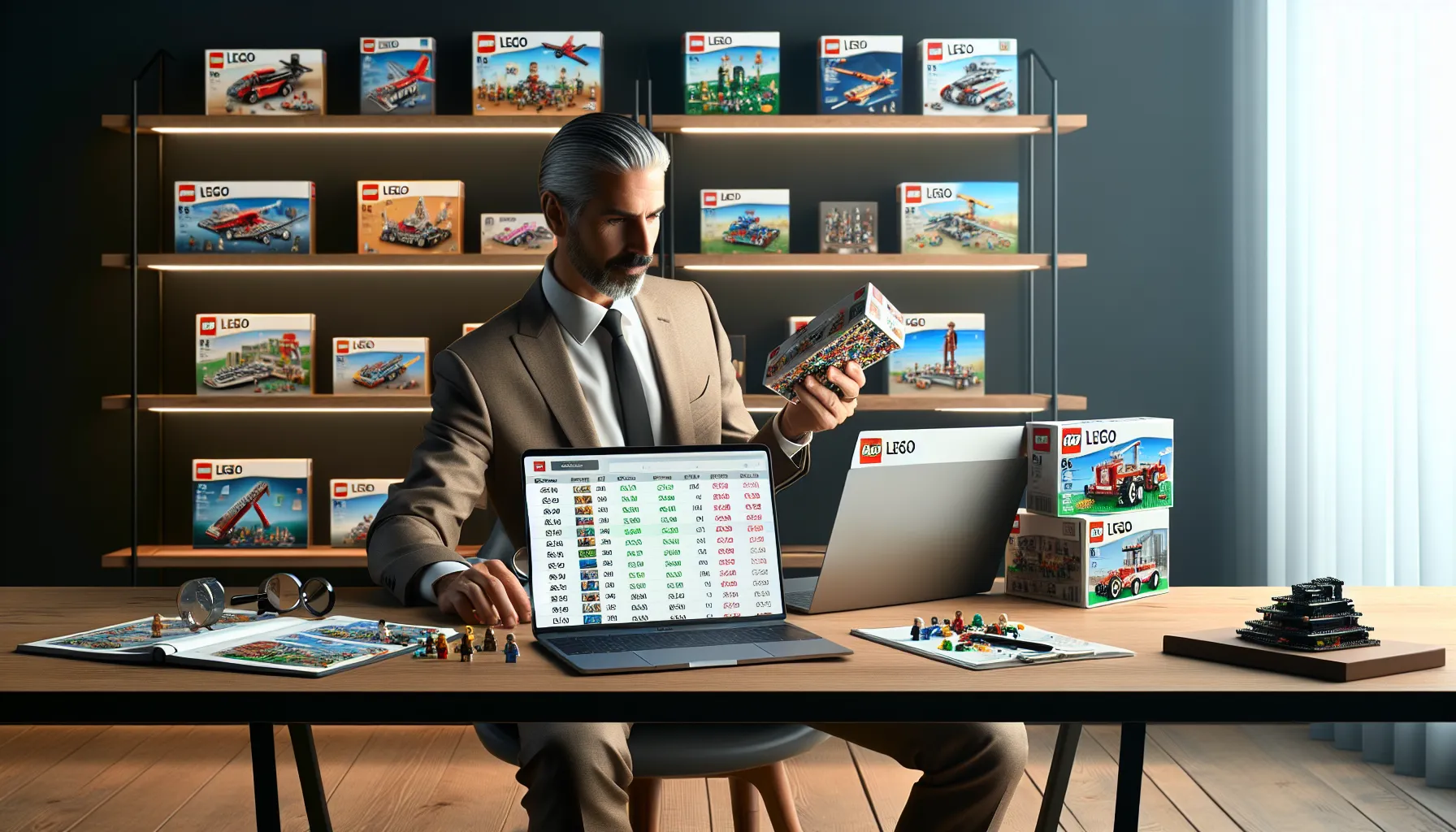
Understanding how to calculate the value of our Lego sets can feel like cracking a code. First, start with the total number of pieces in your set. Then, consider three factors: original price, current selling price (if available), and condition of the set.
To gauge your set’s overall value accurately, check platforms like BrickLink or eBay for current resale prices. This way, we can assess whether our cherished collection is growing in value or if it’s time to consider selling some duplicates. It’s like checking the stock market, but way more fun, unless you’re talking about that one set we promised to keep forever.