Let’s face it: math can sometimes feel like a snooze fest. But what if we told you there’s a way to turn those boring calculations into a lively building session with Lego? Yes, we’re talking about Lego calculators, where bricks meet numbers in a beautiful symphony of creativity and learning. Imagine crunching those numbers while your inner child revels in the joy of assembly. Intrigued? Let’s jump into the world of Lego calculators and discover how they can transform the way we see mathematics.
Lego Calculator
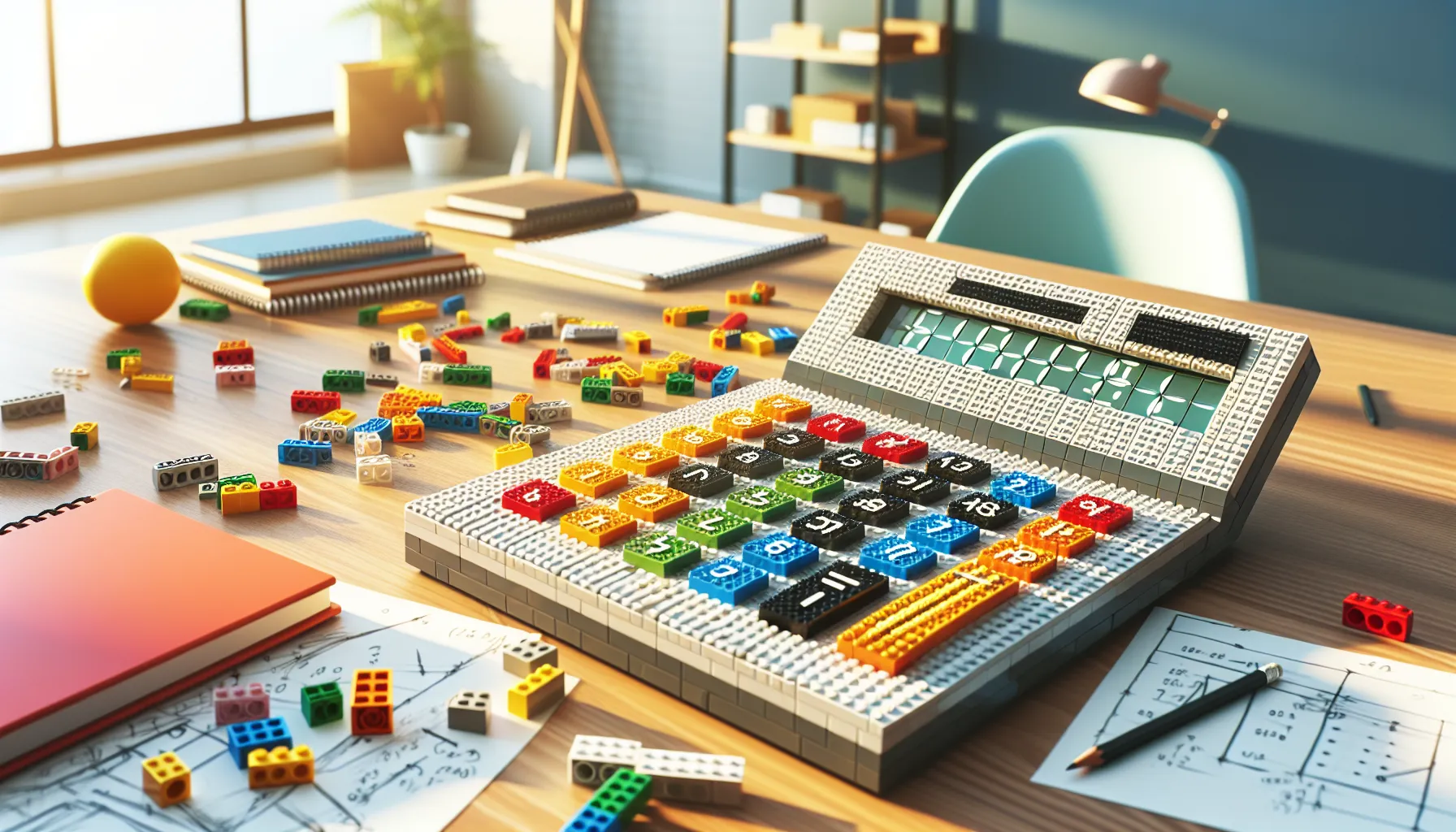
A Lego calculator is exactly what it sounds like: a calculator made out of Lego bricks. It’s an innovative approach that combines engineering with basic math. Think of it as a hands-on tool that helps us visualize and understand arithmetic principles. With colorful bricks and a little bit of creativity, we can build a functioning calculator, because who says we can’t have fun while learning? It typically involves using simple Lego pieces to create buttons for numbers and operations, making it accessible to both kids and adults.
Benefits of Using a Lego Calculator
We all know that learning often happens best when we’re engaged. Enter the Lego calculator, which not only allows us to solve math problems but also offers myriad benefits:
- Hands-On Learning: Building a Lego calculator involves tactile engagement. We can touch, manipulate, and see the parts work together. This can help reinforce concepts that might feel abstract otherwise.
- Creativity Booster: Who doesn’t love unleashing their imagination? Assembling our calculator provides an avenue for creativity. We can design it but we like, making math a personal art project.
- Problem-Solving Skills: Lego calculators challenge us to think critically, down to how we design the logic of our calculator. This stimulates our problem-solving abilities beyond just performing calculations.
- Educational Fun: Combining play with learning creates an environment where we can enjoy the process without the stress. It’s perfect for classrooms or family activities that need a little spice.
How to Build Your Own Lego Calculator
Building our own Lego calculator can seem daunting at first, but it’s simpler than we might think. Here’s how to get started.
Basic Functions and Features of a Lego Calculator
We can create basic functions, including addition, subtraction, multiplication, and division. By using buttons made of Lego bricks to represent numbers and operations, we set the foundation for our homemade gadget. Adding an output screen made of panels or even a basic slot for paper where results can be manually recorded enhances the functionality.
Tips for Customizing Your Lego Calculator
Let’s get creative. We can customize our calculator by incorporating different colors to represent various mathematical functions. Maybe we’ll use blue bricks for addition and green for subtraction. Personalizing our calculator makes the experience more enjoyable and unique. Also, incorporating a playful design or a theme, like Star Wars or superheroes, adds a layer of fun.
Incorporating Technology with Lego Calculators
While Lego calculators are fantastic on their own, we can also give them a techy twist. What if we combined our physical calculator with digital tools? That’s right: we can bring together the tactile experience of Legos with the power of technology.
Educational Uses of Lego Calculators
These calculators serve as excellent teaching aids in classrooms. We can use them to help demonstrate math concepts in a more interactive way. They encourage peer learning, as students work together to build and troubleshoot their designs. Imagine creating a math competition where students solve problems and build Lego calculators simultaneously. It’s an engaging way to reinforce lessons while fostering teamwork.
Enhancing Creativity and Problem-Solving Skills

Using a Lego calculator is not just about solving equations. It stretches our minds and helps us think outside the box. Each time we encounter a design flaw or a calculation that doesn’t add up, we learn resilience and adaptability. These aren’t just math skills: they’re life skills. Building our calculators encourages experimentation and trials, helping us embrace the process of learning rather than focusing solely on the outcome. As we engage with the blocks, we grow in ways that resonate throughout our academic and personal lives.