Do you know the moment when you get your screen time report at the end of the week? You glance at the numbers, pause for a second, and start wondering how they got so high. Then, if you are an adult and it is still hard for you to stay away from the screen, how can we expect our kids to do the same?
It is essential for you to figure out how to balance healthy screen time for your children. Cutting off the use of screens completely is not the point. It is about allowing kids to use them in ways that enhance their creativity, physical activity, learning, and real fun, while still having lots of time for non-digital activities.
Here, I will share with you the practical ways to promote smart play and the development of healthy screen-time habits, which are compatible with everyday family life.
The Difference Between Passive and Active Screen Time
Screen time influences children differently. After I stopped considering the total screen time as one block and started focusing on how my child was using the screens, the situation became much clearer. There are some screen time activities that make children tired and irritable. Other types actually spark energy, curiosity, and creativity.
A simple way to understand this is by separating screen time into passive and active use.
Passive screen time usually happens when content keeps playing automatically. Kids consume what’s on the screen without making choices or engaging their thinking. Such usage can be extended quickly without the user even realizing it, and, as a result, the children may feel overstimulated or bored afterward.
Active screen time, however, is an invitation for kids to engage. For example, they may be creating something, mastering a new skill, moving their bodies, or interacting with the content in a way that is meaningful to them. This type of screen time is more likely to be considered as play, and parents often report that their kids find it easier to stop since the activity has a natural beginning and end.
| Passive Screen Time | Active Screen Time |
| Endless scrolling | Creating digital art or stories |
| Autoplay videos | Learning through interactive content |
| Watching without engagement | Solving problems or challenges |
| Little to no movement | Moving, dancing, or following along |
| Easy to lose track of time | Purposeful and time-aware |
When parents are less concerned about the length of time their children spend on screens and more about the quality of usage, managing screen time becomes easier.
How To Encourage Healthy Screen Time for Kids
One of the ways to achieve this is through interactions, where kids are taught to realize that screens can be handy when used properly, they can be a waste if not used properly, and it is alright to refrain from using them sometimes.
- Set Clear but Flexible Screen-Time Routines
I figured out quite fast that children do not constantly demand more screen time. Most of the time, they want to be given clear rules. When children are informed about when they can use their screens, it stops feeling like continuous bargaining. So instead of counting minutes, I started setting expectations.
Start by anchoring screen time to everyday moments. Maybe screens come after homework, chores, or outdoor play. Perhaps it is a regular time in the evening or during the weekend when the use of devices is permitted. What matters most regarding the timing is the consistency rather than the exact time.
Flexibility is equally important. The reality is that life’s schedules are not always perfect, and neither should the rules for screen time be. There might be days when the children are tired, sick, traveling, or just in need of extra rest. Letting them have some leeway teaches them that screens are a tool that they can handle responsibly.
2. Prioritize Quality Over Quantity
Thirty minutes of scrolling through social media without paying attention is not at all the same as thirty minutes devoted to creating, learning, or engaging with something in an active way.
Screen time that nurtures thinking, inventiveness, learning through physical activity, or curiosity generally makes kids feel cheerful and fulfilled. On the other hand, children who passively watch screen content are likely to experience the opposite.
The best way to ensure good screen time is to check the content beforehand if you let your children watch or use shows, games, or apps. You can get the ratings and reviews of shows that are appropriate for your child’s age. Even better, get involved, use, or watch them with your kids. Seek out the activities that are interactive and will retain their interest.
3. Create Screen-Free Zones at Home
One of the simplest changes we made at home had nothing to do with apps or timers. We chose a few spaces where screens simply do not belong. That small decision made a big difference in how often devices showed up and how present everyone felt.
Screen-free zones work because they remove temptation without constant reminders. The dinner table becomes a place for conversation again. Bedrooms stay focused on rest instead of late-night scrolling. Shared family spaces feel more connected when screens are not competing for attention.
The secret is to keep these areas habitual and fair. They are not intended to be punishments or restrictions, but rather to shield certain moments of the day. When children realize that some places are for connection, relaxation, or work, they adjust much faster than we expect.
If you define specific places in your house where using screens is allowed, your kids will realize that technology is something that has a place in their lives but it doesn’t have to be everywhere.
4. Encourage Physical Activity Through Online Games
One change that resulted in very good effects for us was the use of screens as a method to make kids go physically instead of trying to disengage them from devices completely. When the internet activities require kids to move, screens, in fact, can be a means of improving their physical health rather than competing with it.
There are numerous games and videos that get kids off their seats by making them jump, dance, or do simple exercises. Such activities transform screen time into an active and fun-filled one, especially on days when going outside is not feasible. Children are often unaware that they are exercising because their attention is on having fun.
Supporting movement-based screen time helps to revitalize the energy level and brings about healthy habits. When children are given devices as a means of physical exercise, they can integrate technology with other forms of physical activity and realize that they are not two mutually exclusive things.
5. Talk Openly About Online Content and Feelings
One of the main things, as parents, that we can do for our kids is provide them with a space to have open conversations about what they see and feel when they are online. Through screens, children are exposed to a vast array of content, but not all of it is easy for them to digest. When children are assured that they can share their online experiences without being judged or punished, they are more likely to turn to parents.
Simple, regular check-ins help a lot. Questions like what they watched, what they liked, and what made them feel uncomfortable prompt kids to think about their experiences, and at the same time, they get the feeling of being supported. These talks don’t have to be formal or serious. Most of the time, they happen naturally during everyday moments.
Having honest talks also assists kids in understanding their own feelings. They are taught to learn the situations when something online makes them feel happy, confused, anxious or sad. When parents listen quietly and respond with interest, kids develop trust and confidence as they realize that they are not alone in navigating the digital world.
How AirDroid Parental Control Helps Support That Healthy Balance
It is far easier for parents to implement the right strategies for children’s healthy use of screens if they are well-supported themselves. Managing children’s device use can still be a daunting task even when there are clear routines in place. AirDroid Parental Control is the answer for parents who want a clear picture of the situation, an organized structure, and peace of mind without turning supervision into micromanagement.
Instead of trying to figure out how screens are being used, AirDroid gives parents a direct, clear view of what is going on during the day. This helps you have more in-depth and informed conversations with your child.
Here’s how AirDroid supports a healthy balance at home:
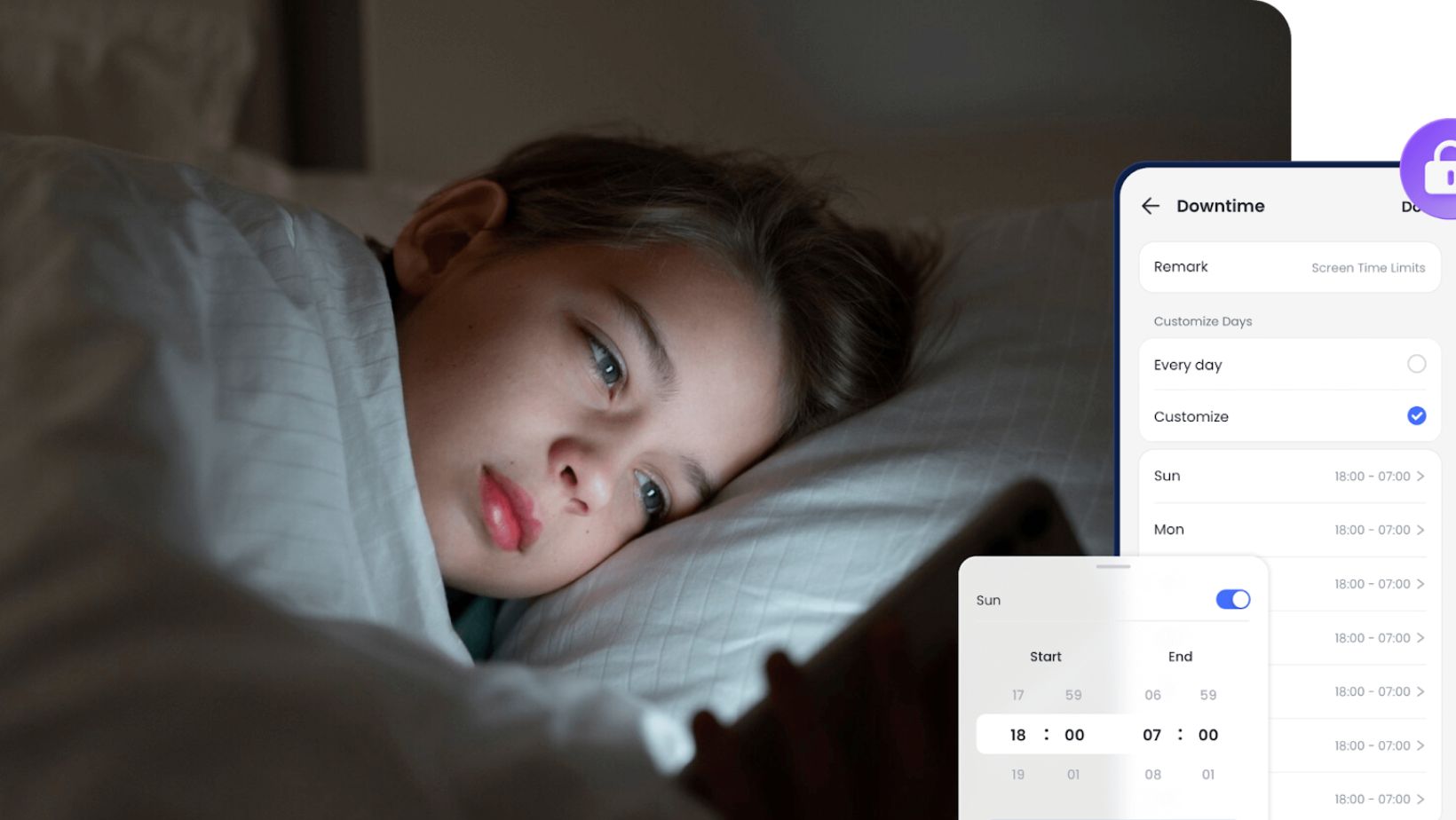
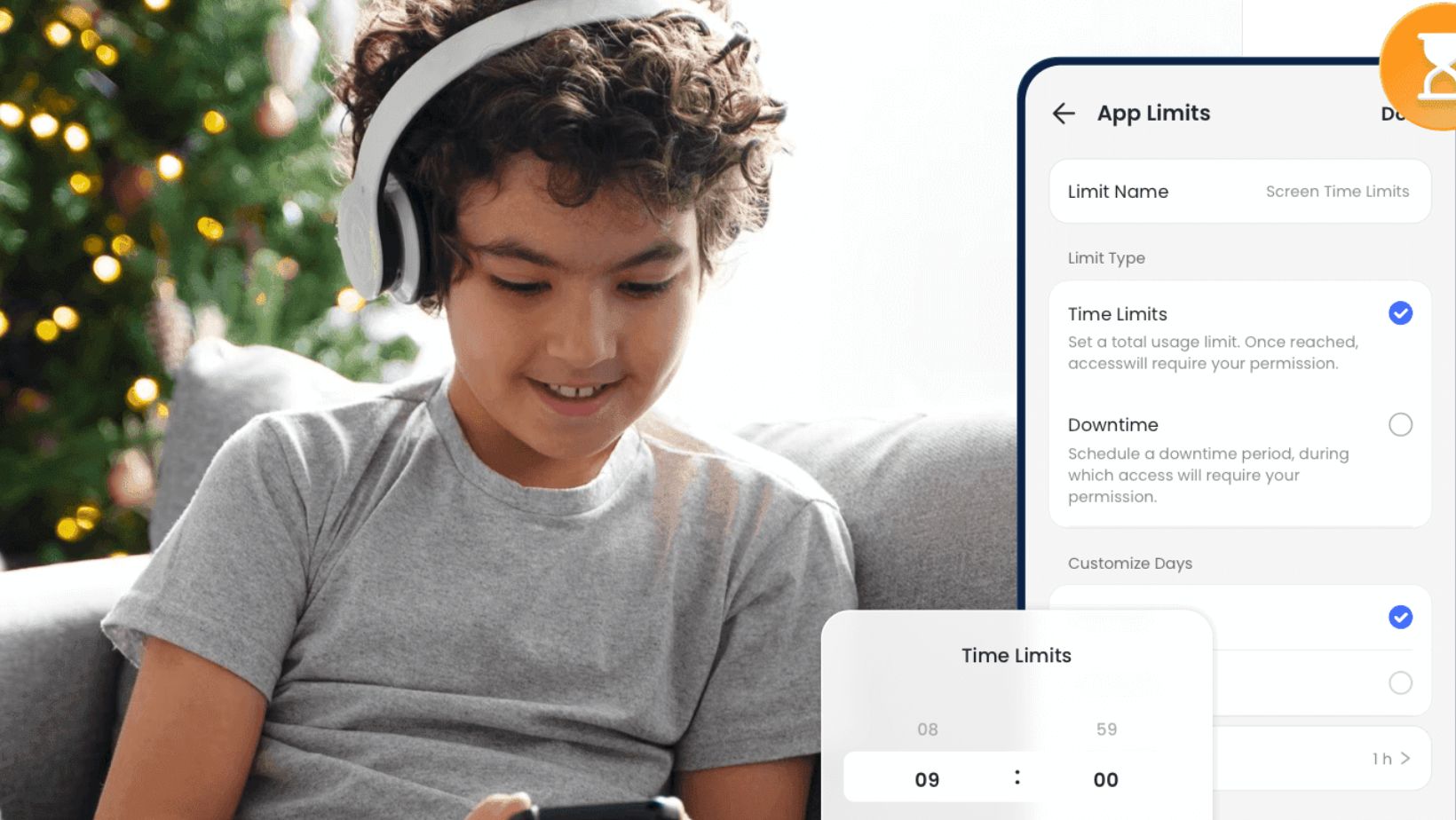
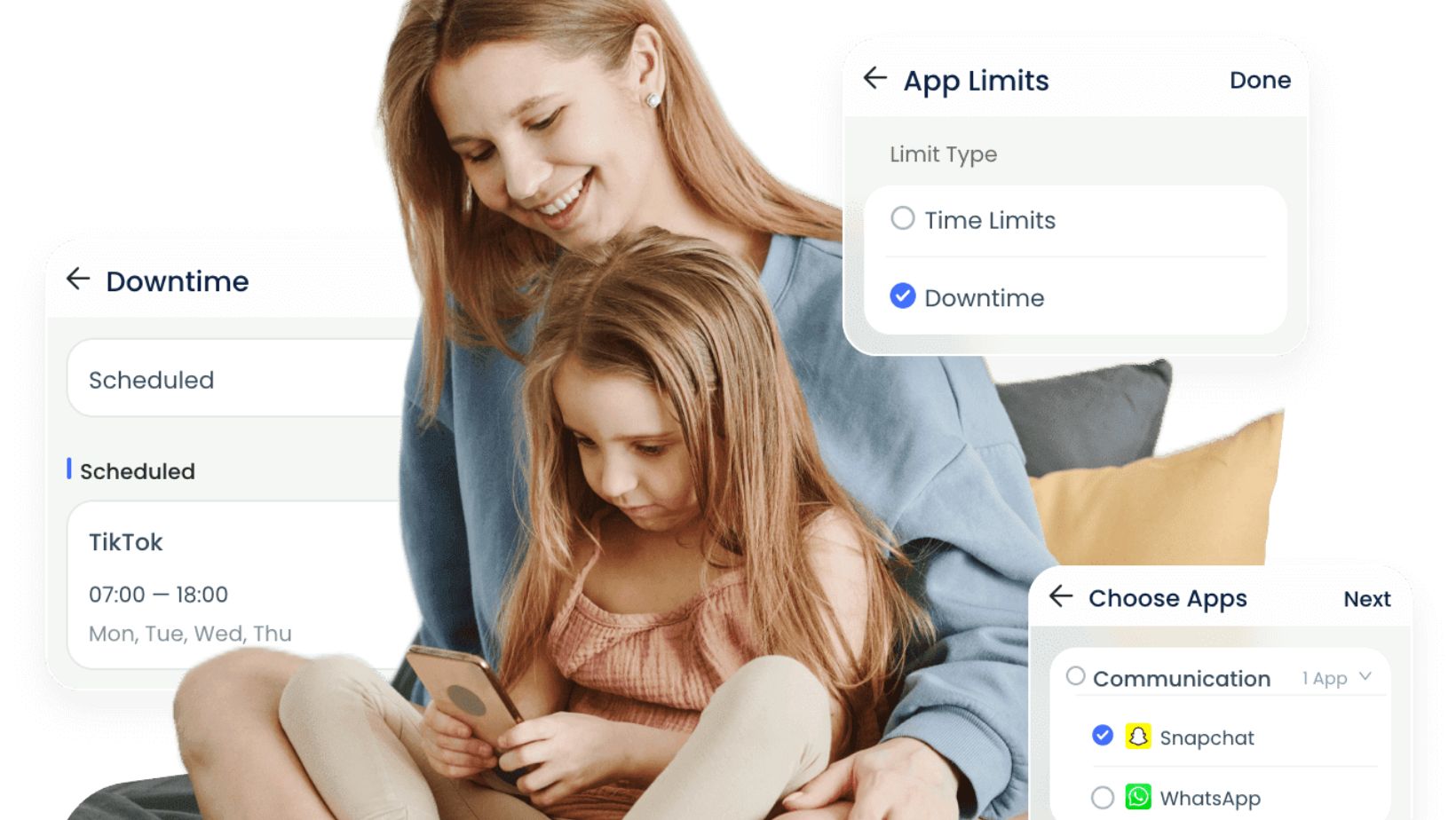
- Screen-time limits and schedules to create consistent routines
- App management tools to approve, block, or monitor age-appropriate apps
- Real-time screen mirroring to check in when something feels off
- Content and keyword alerts that flag risky or harmful material early
- Location tracking and geofence alerts for peace of mind as kids gain independence
- App install notifications so nothing slips through unnoticed
What makes AirDroid especially effective is the way it assists communication rather than control. The intention is not to monitor every step, but to intervene when parental support is needed. Kids get the opportunity to discover, make, and play while parents stay updated.
Raising Kids Who Play Smart and Live Balanced Lives
Helping kids build healthy screen habits is not about getting everything right every day. It means you guide them, one small decision at a time. When children are taught to combine smart play, physical exercise, creativity, and rest, screens become a convenient part of life rather than a constant source of disputes.
By defining clear routines and maintaining open communication, parents can provide an atmosphere in which children feel supported rather than restricted. Parental Control tools such as AirDroid make parenting easier by giving a way to monitor kids without constantly watching over kids’ shoulders.