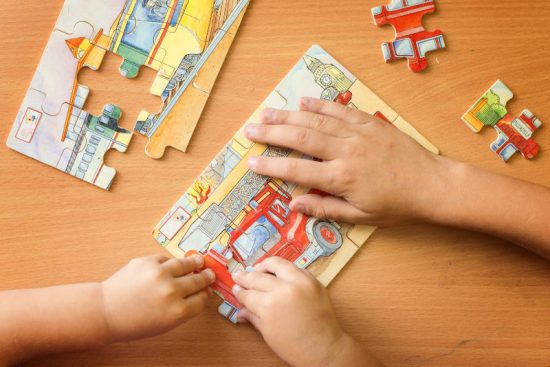
As parents, caregivers, or just puzzle aficionados ourselves, we often ponder the question: how many pieces should a puzzle be for our savvy 7-year-olds? It turns out, there’s a sweet spot, a Goldilocks zone if you will, where the challenge is just right, not too easy, or they’ll sidestep the experience, and not too hard, or they’ll be throwing pieces across the room in frustration. So, let’s jump into the wonderful world of puzzles that will keep your little ones entertained while also ticking the boxes for educational fun.
How Many Piece Puzzle for 7 Year Olds
We all know that not all puzzles are created equal. The complexity of a puzzle can depend on several factors, including the number of pieces, the image quality, and even the shape of the pieces. For our 7-year-olds, a good rule of thumb is to look for puzzles that offer enough pieces to provide a hearty challenge but not so many that they feel overwhelmed. Commonly, puzzles for this age group range from 100 to 300 pieces, balancing engagement and frustration. Also, the image depicted can also influence how complex it feels. A vivid, detailed picture can be more challenging than a simpler, cartoon-style design, simply because it’s harder to find matching pieces in the chaos of colors.
Recommended Puzzle Piece Counts
Let’s get into the numbers. For 7-year-olds, we should ideally stick to puzzles with roughly 100 to 150 pieces for a fun yet manageable experience. This range allows them to hone their problem-solving skills without feeling like they’ve taken on Mount Everest. If they’re more experienced or adventurous in their puzzle journey, puzzles up to 300 pieces can spice things up. These can present a delightful challenge, ensuring they won’t lose interest too quickly while also allowing them the pride that comes with completing something ‘big’.
Factors to Consider When Choosing a Puzzle
Choosing the right puzzle goes beyond just counting pieces. We need to take into account several factors that help ensure a good fit for our little ones. First and foremost, know our child’s interest. We should opt for themes like animals, outer space, or favorite cartoons, which can keep them excited. The quality of the puzzle also plays an important role: sturdier pieces can withstand the enthusiastic handling of little hands and also make it easier for them to fit together. Also, check the manufacturer’s recommended age. That’s a quick way to gauge if it’s appropriate for our 7-year-olds.
Benefits of Puzzles for Children
Puzzles are a treasure trove of benefits for our children. They improve critical thinking skills, enhance hand-eye coordination, and even boost memory. When our little ones sit down to work on these colorful conundrums, they’re not just having fun: they’re developing patience and perseverance. Solving a puzzle promotes cognitive growth, and there’s something undeniably satisfying about that last piece fitting perfectly after a little trial and error. It’s like a mini achievement unlock every time.
Engaging Puzzle Themes for 7-Year-Olds
Now, let’s talk about themes. To keep our 7-year-olds fully engaged, we can look for puzzles that tap into their imaginations. Animals and nature are always winners, but consider adventurous themes like dinosaurs or superheroes. How about something featuring their favorite movies or TV shows? Selecting themes they adore helps maintain their interest and makes the puzzle experience even more enjoyable. Plus, we might just learn something new together while building that puzzle.
Tips for Helping Children Complete Puzzles
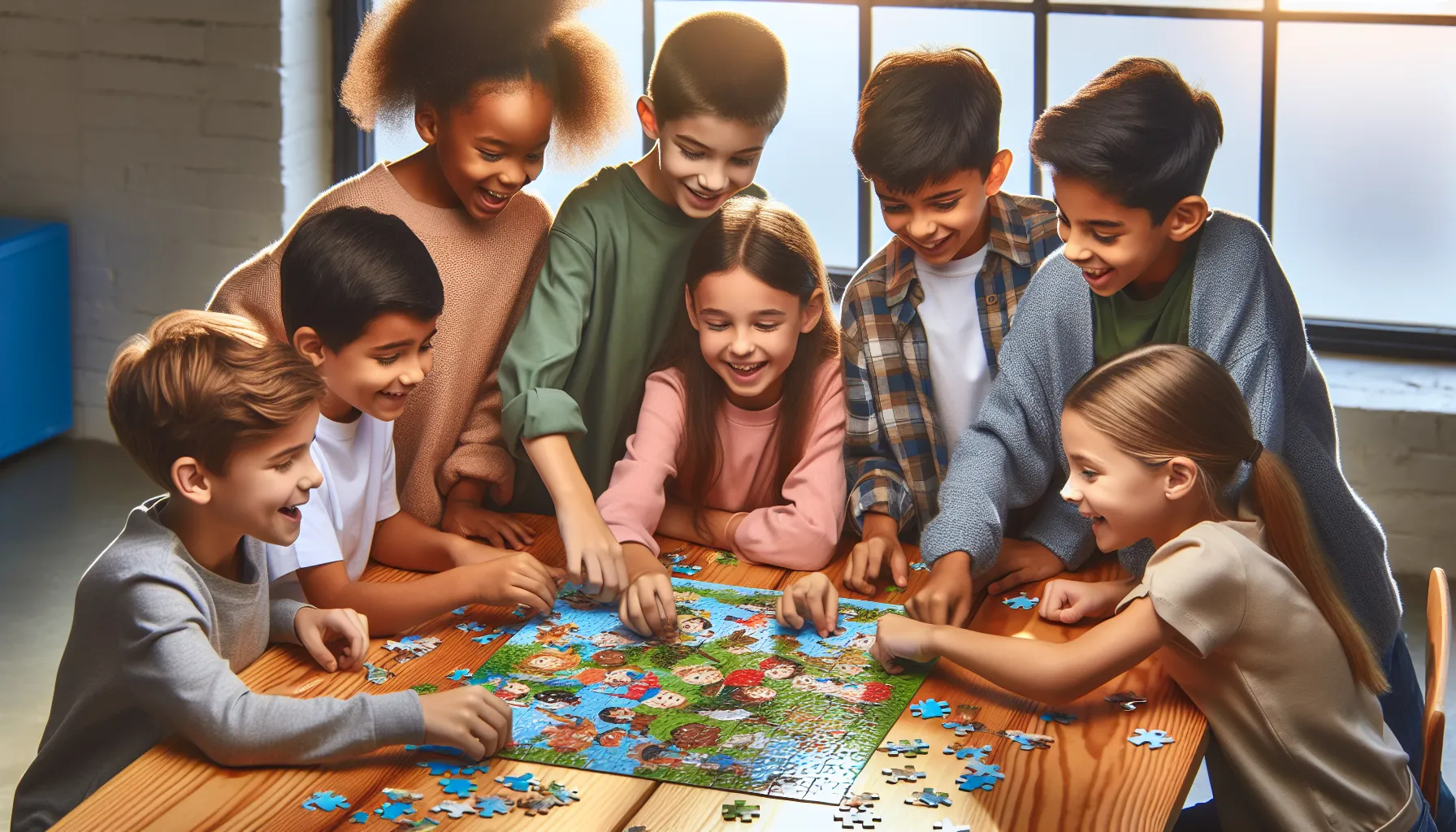
Puzzle time doesn’t have to feel solitary. We can engage with our children and make the experience enjoyable. First, set up a dedicated area that is clear of distractions. We can also encourage teamwork: working on a puzzle together can create bonding moments. If our little one feels stuck, we can offer clues instead of just giving away pieces. It’s all about guiding them while allowing them to tackle the challenge. Plus, don’t forget to celebrate their achievements, no matter how small. A completed puzzle deserves a little dance, right?