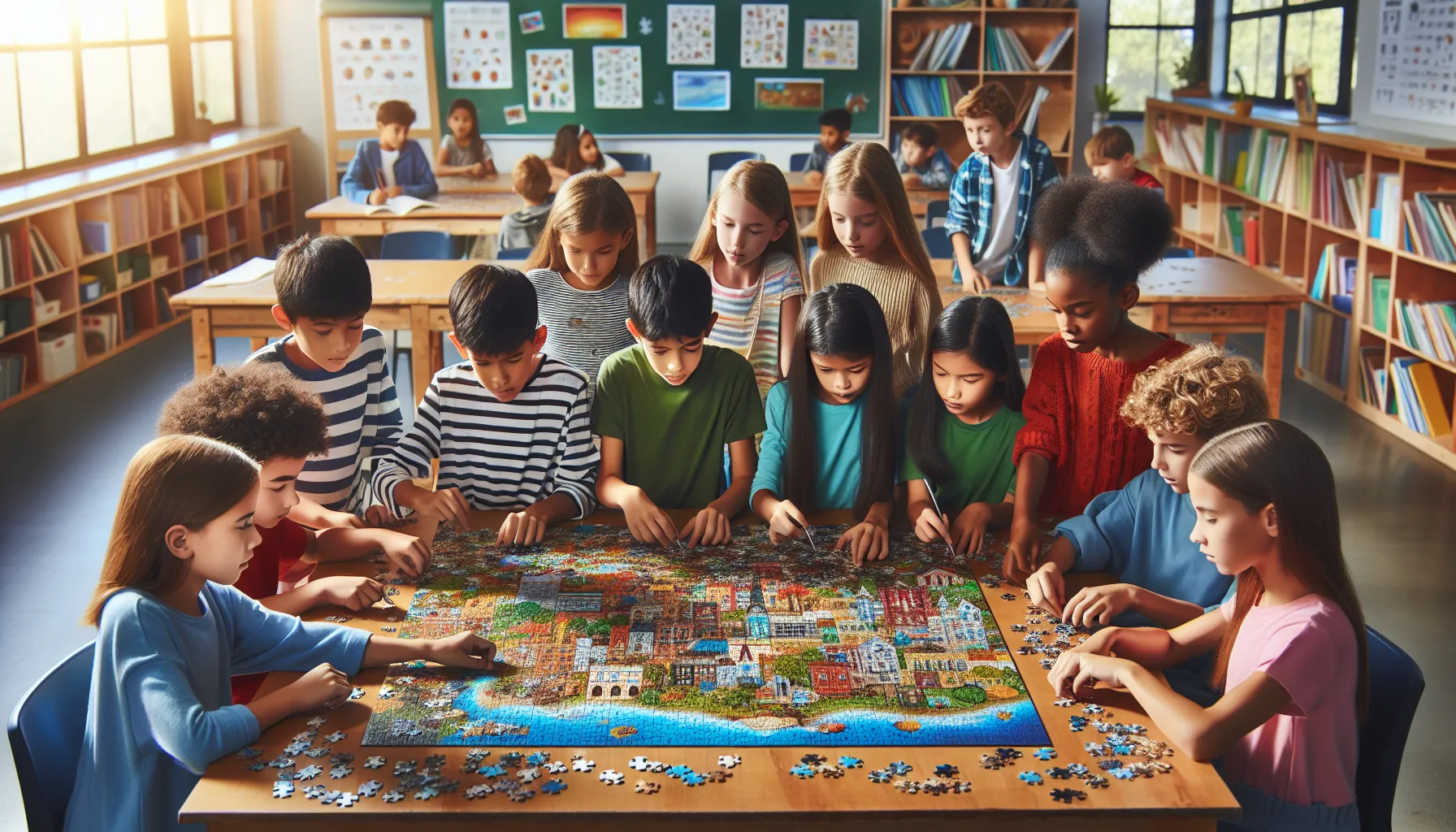
When it comes to puzzles, finding the right fit can feel a bit like finding a needle in a haystack. We’ve all been there, staring at a mountain of pieces, wondering if we’ve set our kids up for a grand adventure or an exercise in frustration. For our 10-year-olds, the right puzzle isn’t just about pass time: it’s about challenge, fun, and a touch of that puzzling satisfaction. So, let’s jump into how many pieces your young puzzler might need and why it’s important.
How Many Piece Puzzle For 10 Year Old
Puzzles come in various flavors, and understanding their complexity can help us choose wisely. For 10-year-olds, we typically want to strike a balance between challenge and enjoyment. A puzzle that’s too easy might lead to boredom, while one that’s too hard can turn into a tearful experience.
Generally, we find that puzzles suitable for this age group range from 100 to 500 pieces. This range not only keeps them engaged but also promotes critical thinking. Puzzles with 100 to 300 pieces are great starters, especially for children who may not have much experience with jigsaw puzzles. As confidence builds, we can gradually introduce more intricate designs with 400 to 500 pieces, ensuring they’re not left frustrated.
Also, consider the size and shape of the pieces. Larger pieces might be easier for younger kids to handle, while smaller pieces can add an extra layer of challenge. By understanding these aspects, we can choose a puzzle that’s just right for our soon-to-be-puzzle-master.
Age-Appropriate Puzzle Recommendations
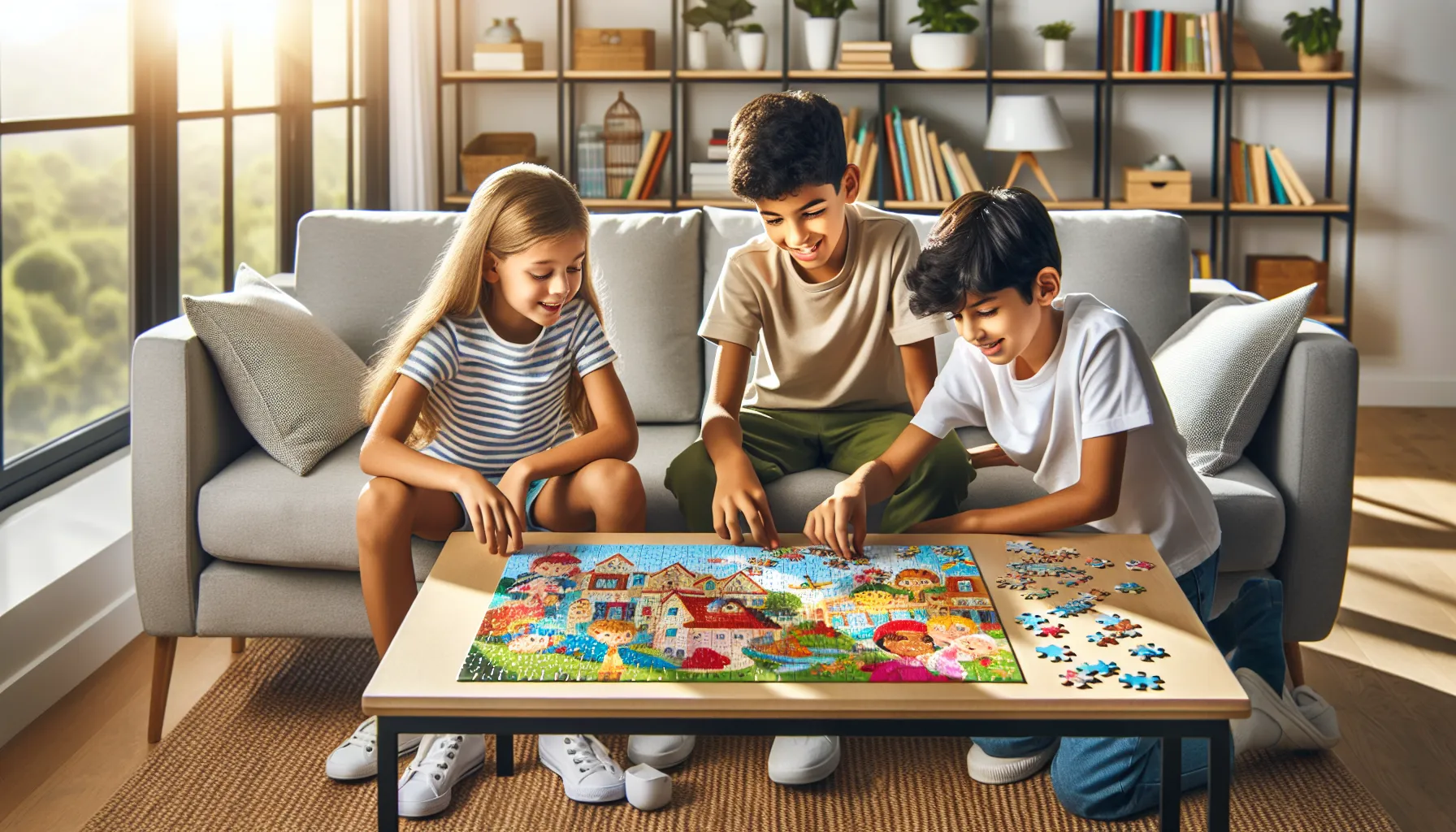
When it comes to age-appropriate puzzles, we should remember that not every 10-year-old is the same. Some kids are ready to take on a 500-piece challenge, while others might still be working on 300-piece ones. Here are some key recommendations:
- 100-200 Piece Puzzles: Perfect for beginners or those who are still building their skills. These puzzles often have fun designs, making them appealing.
- 300 Piece Puzzles: This is the sweet spot for many 10-year-olds. It provides a satisfying challenge without causing tantrums.
- 500 Piece Puzzles: Great for kids who are more experienced or those who crave a bit of complexity. These puzzles can often lead to hours of family fun.
Benefits of Puzzles for Children
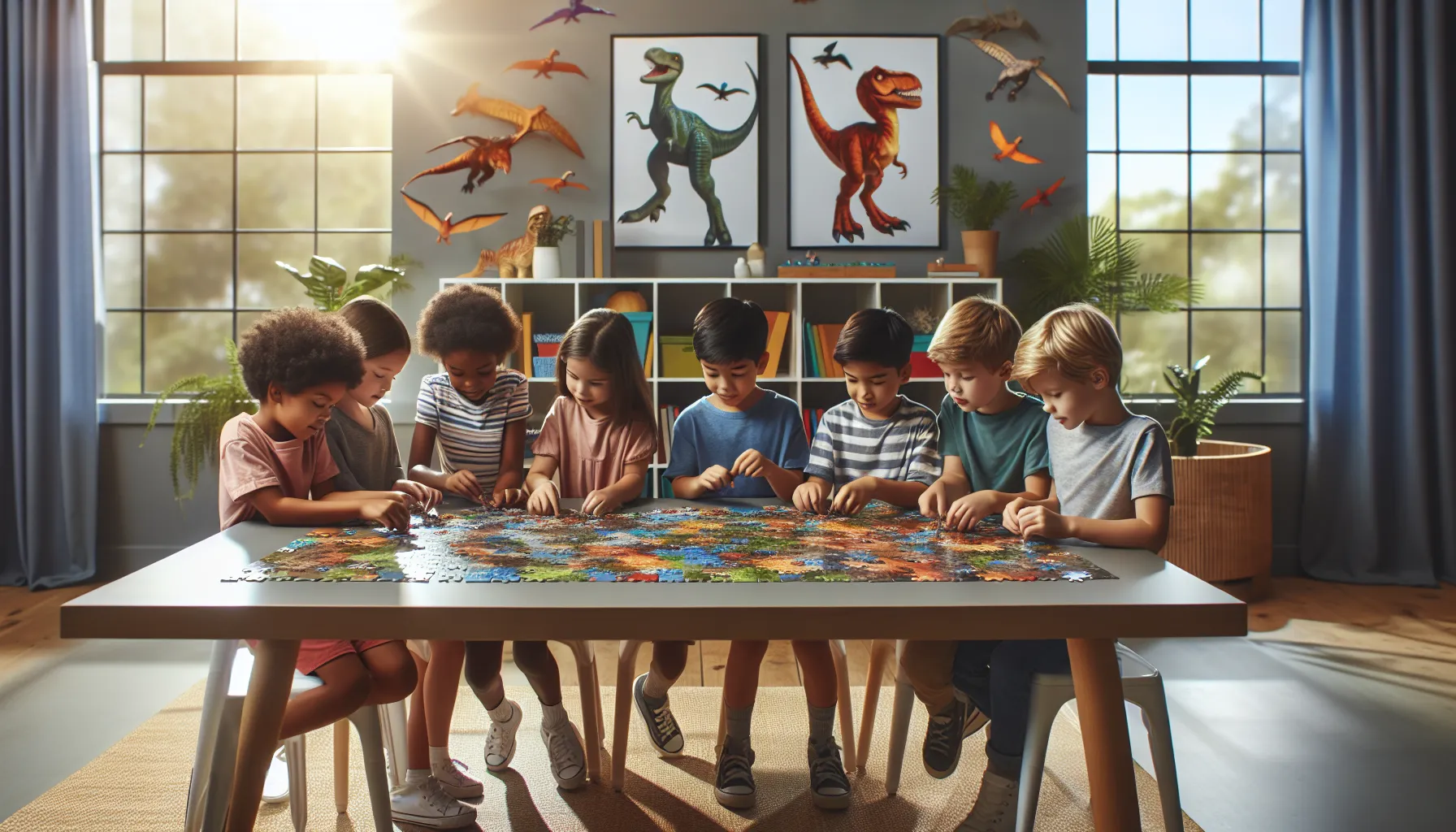
Puzzles are not just a pastime: they come packed with benefits for our little ones. Two of the most significant advantages are:
Choosing the Right Puzzle Size
Just like Goldilocks, we want the puzzle to be ‘just right.’ The size significantly impacts their learning and engagement. When we choose a puzzle that matches their skill level, we boost their confidence and help them develop problem-solving skills.
Considerations for Interests and Skills
Knowing our child’s interests can really shape our puzzle choice. A dinosaur-loving kid might thrive with a dino-themed puzzle, while an art lover could prefer scenes of famous masterpieces. Matching the puzzle theme to our child’s enthusiasm makes the experience even more enjoyable and educational.
Popular Puzzle Themes and Designs
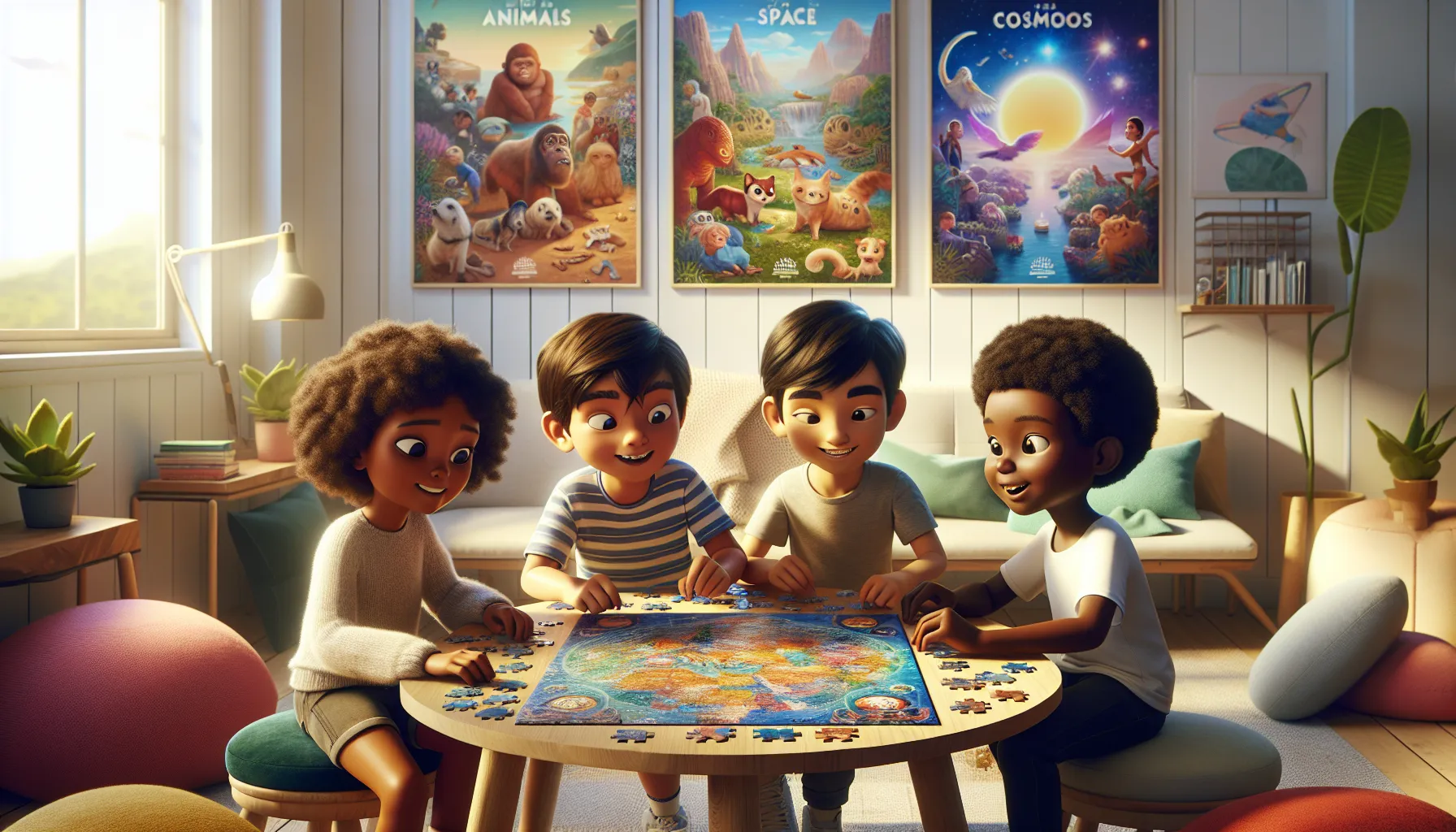
We’re spoilt for choice when it comes to puzzle themes. Some of the most popular themes among 10-year-olds include:
- Animals: Who doesn’t love a puzzle filled with cute critters? Animal-themed puzzles can engage kids while teaching them about various species.
- Fantasy & Adventure: Puzzles that reflect their favorite adventure movies or fantasy books can ignite the imagination.
- Space & Science: For those little Einsteins out there, space-themed puzzles not only bring joy but also spark curiosity about the universe.
- Landmarks & Travel: Small explorers can appreciate puzzles featuring famous landmarks, fueling their dreams of adventure.
Tips for Engaging Children with Puzzles
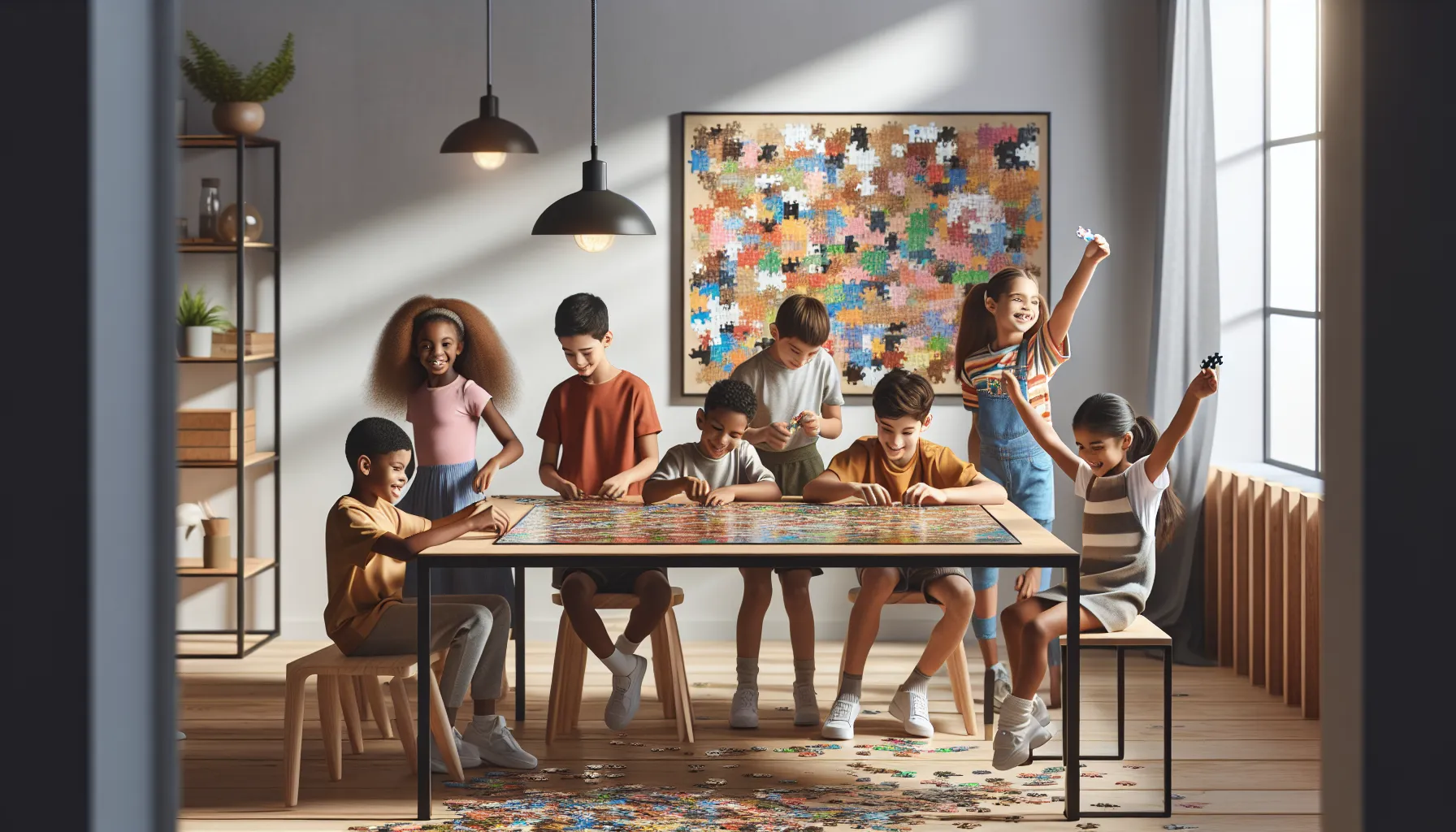
Engaging our kids in puzzle-solving can be an adventure all on its own. Here are some tips to make the experience worthwhile:
- Set Up a Puzzle Station: A comfortable and dedicated space can motivate kids to immerse and explore their puzzles.
- Puzzle Together: Making it a family activity can enhance bonding and make the process enjoyable. We can even challenge each other by racing to see who can find a specific piece first.
- Celebrate Small Wins: Encourage and celebrate progress to keep their spirits high. No achievement is too small, every piece fits perfectly into the puzzle of learning.