
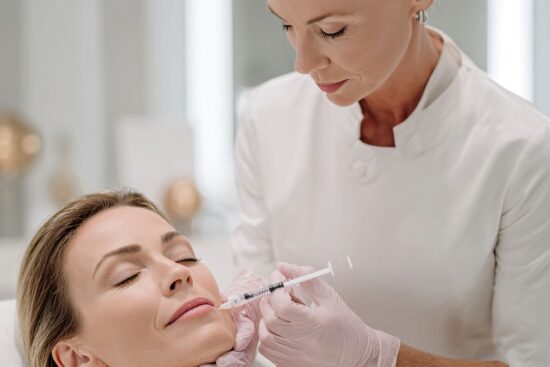
Motherhood changes many parts of life and the face often reflects those changes in subtle but noticeable ways. Hormonal shifts sleep disruption weight changes and natural aging processes tend to overlap during pregnancy and the months that follow. Many women notice volume loss in the cheeks under the eyes and around the mouth along with softer contours that no longer match how energetic they feel inside. Confidence can feel slightly out of sync with appearance and that disconnect is often what leads mothers to explore non surgical aesthetic options.
Dermal fillers have become a practical choice for women who want to restore facial balance without surgery or long recovery times. These treatments focus on replenishing lost volume and supporting facial structure rather than altering features. When done thoughtfully they can help mothers feel more like themselves again while respecting the natural changes that come with life stages.
How Motherhood Affects Facial Volume and Skin Structure
Pregnancy triggers major hormonal shifts that influence skin elasticity hydration and fat distribution. Estrogen levels fluctuate significantly and that can impact collagen production over time. After childbirth reduced sleep elevated stress levels and nutritional demands may further affect skin quality. Facial fat pads that once supported the cheeks and midface can shift or decrease leading to a flatter appearance and deeper folds.
Weight changes also play a role. Some women lose weight quickly after pregnancy while others experience gradual changes over several years. Facial fat often responds differently than body fat and volume loss in the face may become noticeable even when overall weight feels stable. These changes do not indicate poor health but they do explain why many women feel their face looks tired even when they are well rested.
Skin itself can thin over time which makes volume loss more apparent. Reduced collagen and elastin contribute to fine lines and a less firm surface. Together these factors create a facial appearance that may not reflect how confident or capable a woman feels in her role as a mother. Recognizing these biological causes helps normalize the desire to address them with medical guidance.
Why Dermal Fillers Are Commonly Chosen After Pregnancy
Dermal fillers are designed to replace volume that the skin and underlying tissues no longer provide on their own. Most modern fillers rely on hyaluronic acid which is a substance naturally present in the body and responsible for maintaining hydration and structural support. When placed in targeted areas fillers can restore fullness to the cheeks soften folds around the mouth and improve under eye hollows.
Many mothers prefer fillers because treatments are quick and recovery is minimal. Appointments often last under an hour and most patients return to daily activities shortly after. This practicality matters when schedules revolve around childcare work and family responsibilities. Results are visible almost immediately though swelling may take a few days to settle.
Another reason fillers appeal to postpartum patients is flexibility. Treatments can be adjusted over time based on changing needs and personal comfort levels. Volume restoration does not require dramatic changes. Subtle placement allows the face to look refreshed rather than altered. This approach aligns well with mothers who want to feel confident without drawing attention to the fact that they had a cosmetic procedure.
Restylane Cosmetic Filler Options and Their Role in Volume Restoration
A dedicated discussion of product choice matters because not all fillers behave the same way. Different formulations vary in thickness elasticity and longevity which affects how they perform in specific facial areas. Restylane cosmetic filler options are widely used in aesthetic medicine due to their range of formulations designed for precise placement and predictable results.
Restylane products are based on hyaluronic acid and are developed to integrate smoothly with facial tissues. Some formulations are designed for deeper placement in the cheeks where structural support is needed. Others are softer and better suited for delicate areas like the tear troughs or fine lines around the mouth. This variety allows practitioners to tailor treatment plans rather than relying on a one size approach.
Longevity is another important factor. Most Restylane fillers last between six and eighteen months depending on the product used and the area treated. For mothers this offers a balance between durability and adjustability. Treatments can evolve gradually as facial structure changes over time. Because hyaluronic acid fillers are reversible they also provide an added layer of safety which reassures many first time patients.
Clinical studies and long term use support the safety profile of these fillers when administered by trained professionals. Adverse effects are typically mild and temporary such as swelling redness or bruising at injection sites. Proper technique and anatomical knowledge remain essential especially in postpartum patients whose tissues may be more sensitive.
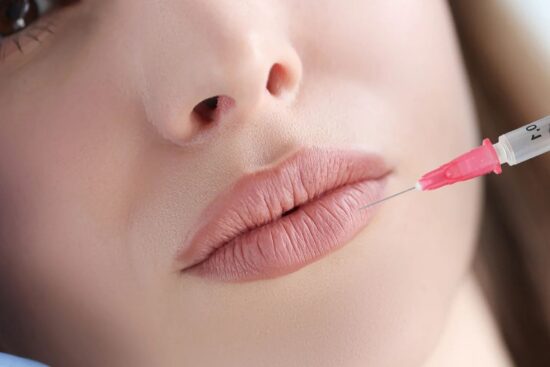
Safety Expectations and Building Confidence Through Realistic Results
Safety remains a primary concern for mothers considering any aesthetic treatment. A thorough consultation should include medical history current medications and postpartum status including breastfeeding if applicable. While hyaluronic acid fillers are generally considered safe many providers recommend waiting until breastfeeding has ended due to limited clinical data in that area.
Choosing a qualified medical professional is critical. Experience with facial anatomy and postpartum concerns allows providers to create balanced results that respect natural expressions. Treatment plans should prioritize symmetry proportion and gradual improvement rather than maximum volume in a single session.
Confidence often grows as patients see small changes settle into the face. Restored cheek support can soften shadows under the eyes and improve overall facial harmony. When features feel balanced again makeup applies more easily and photos feel more comfortable. These practical outcomes often matter more than dramatic transformations.
Long term confidence comes from feeling informed. Knowing how fillers work how long results last and what maintenance looks like helps mothers make decisions without pressure. Many women choose touch ups once or twice a year which fits well into busy schedules and allows flexibility as priorities shift.
Dermal fillers do not reverse motherhood or time and they do not need to. Their role lies in supporting facial structure during a stage of life that places heavy demands on the body. When approached with care medical expertise and realistic expectations fillers can be a supportive option for mothers who want their appearance to reflect how capable and self assured they feel every day.