
In today’s digital world, screens have become a central part of childhood. Tablets, phones, smart TVs, handheld gaming devices, and online platforms offer endless entertainment for kids of all ages. While technology has its benefits—educational resources, creative tools, and social connection—prolonged screen exposure can create challenges for developing minds. Parents across the world are noticing shorter attention spans, reduced interest in outdoor play, and less face-to-face interaction, all of which can impact children’s social and physical development over time.
Fortunately, reducing screen time doesn’t mean eliminating devices entirely. Instead, it’s about reintroducing kids to activities that engage their bodies, minds, and creativity. With the right strategies, playtime can once again become a joyful, healthy part of family life.
Why Kids Gravitate Toward Screens
Digital platforms are designed to be compelling. Rapid motion, bright visuals, instant feedback loops, and on-demand gratification make them irresistible to young brains. For kids, screens eliminate boredom—a powerful motivator. They require little effort, and they provide predictable entertainment with no need for imagination, patience, or social negotiation.
But after long exposure, kids may struggle to enjoy slower forms of play. Outdoor activities and hands-on hobbies initially feel “boring” compared to high stimulation screens. This is why many parents face resistance when introducing offline alternatives. However, with consistency and creativity, this resistance fades, and children begin to rediscover curiosity, exploration, and real-world fun.
Benefits of Replacing Screen Time With Active Play
Encouraging kids to swap screens for playtime supports them in multiple areas:
1. Physical Health
Movement supports muscle development, coordination, stamina, and balance. Activities like climbing, running, cycling, and swimming build strong foundations that screens simply cannot offer.
2. Social Confidence
Group play teaches negotiation, teamwork, sharing, and conflict resolution. These skills form the backbone of resilience and emotional intelligence.
3. Creativity & Imagination
Open-ended play encourages kids to create their own worlds, invent characters, build stories, and think outside the box.
4. Emotional Regulation
Screen-free activities help children learn how to cope with boredom, frustration, and waiting—skills necessary for real-world success.
Practical Strategies to Shift Kids From Screens to Play
Start With Gradual Reductions
Instead of banning screens abruptly, begin with time windows:
- No screens during meals
- No screens one hour before bed
- Weekend-only gaming
- Device-free mornings
Gradual adjustments prevent power struggles and make transitions smoother.
Introduce Engaging Alternatives
Replacing screen time is easier when kids have something exciting to do. Outdoor adventures such as biking, nature walks, obstacle courses, or scavenger hunts quickly become favorites. For kids who thrive on structure, organized sports can provide skill-building and routine. Many families find success with activities like tennis classes, swimming, martial arts, soccer, and gymnastics because they encourage active participation and achievement.
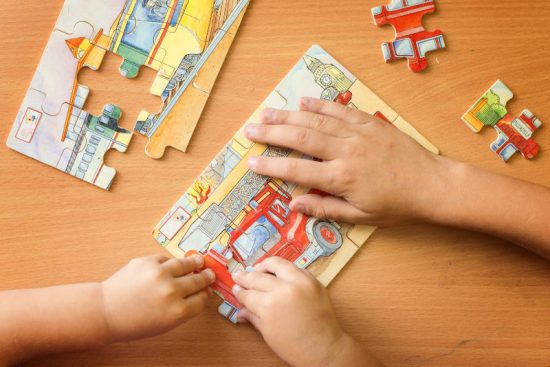
Creative hobbies like painting, crafting, puzzles, music, and storytelling also add balance by nurturing imagination.
Encourage Family Participation
Children follow habits they witness. When parents are physically active, curious, and engaged, kids are more likely to mimic those behaviors. Family hikes, weekend bike rides, board game nights, dance sessions, or even backyard camping make memories and build stronger bonds without screens in sight.
Use Nature as the Ultimate Playground
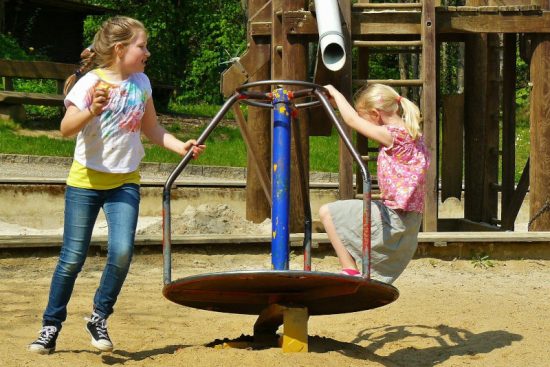
Outdoor environments naturally spark curiosity. A patch of forest, a garden, a playground, or even a simple backyard can become a world of exploration. Kids climb trees, look for insects, build forts, and invent games spontaneously—experiences that no touch-screen can replicate.
Trying New Sports and Skill-Based Activities
Introducing new sports can be especially effective because they offer both novelty and skill progression. Archery, for example, teaches focus, patience, mindfulness, and hand-eye coordination. Many parents discover that archery lessons help children develop discipline and attention, two qualities that are often challenged by instant digital gratification.

Similarly, tennis builds agility, strategy, and resilience. The structured nature of tennis classes provides routine, physical activity, and a sense of accomplishment when skills improve. Kids who struggle with team sports may thrive in solo or individual activities, which makes these types of hobbies even more valuable.
Reducing Resistance: Making Playtime More Appealing
When replacing screens, the goal is not to force kids but to make alternatives genuinely enjoyable. Here are approaches that work:
✔ Offer choices, not commands:
“Do you want to ride bikes or play frisbee?” is better than “Put the tablet away.”
✔ Create inviting play spaces:
Outdoor toys, chalk, balls, storybooks, and craft supplies make offline play easier to start.
✔ Celebrate small wins:
Praising effort encourages repeat behavior and builds confidence.
✔ Invite friends:
Play feels more meaningful when kids share it with peers.
Building Healthier Habits for the Future
Transitioning from screens to playtime is not just about cutting technology—it’s about reclaiming childhood. When kids explore the outdoors, move their bodies, solve problems, and interact face-to-face, they build skills that no digital environment can replicate. Parents don’t need to eliminate devices entirely; they just need to rebalance the equation.