Good hygiene habits don’t appear overnight. Kids pick them up slowly, one small step at a time, and those early routines shape how they care for themselves well into adulthood. As a parent, you’re guiding that whole process, even on the days when you feel like you’re repeating the same reminders again and again. And honestly, that’s just part of how kids learn. They need lots of repetition before anything sticks.
So let’s walk through a few simple ways to build routines that feel steady, doable, and realistic for your family.
How Kids Learn Habits
Kids learn by watching the people around them. If they see you brushing your teeth every morning, washing your hands before meals, or taking care of your space, they start to model those patterns. Consistency matters more than perfection. Even if mornings feel rushed or evenings feel messy, showing up with the exact expectations helps kids understand what everyday routines should look like.
It’s also important to meet kids where they are. A toddler might hold the toothbrush while you help guide their hand. A school-aged kid can handle more steps by themselves. Teens can do almost everything on their own, but may still need reminders. Every stage brings something different.
Simple Morning Habits
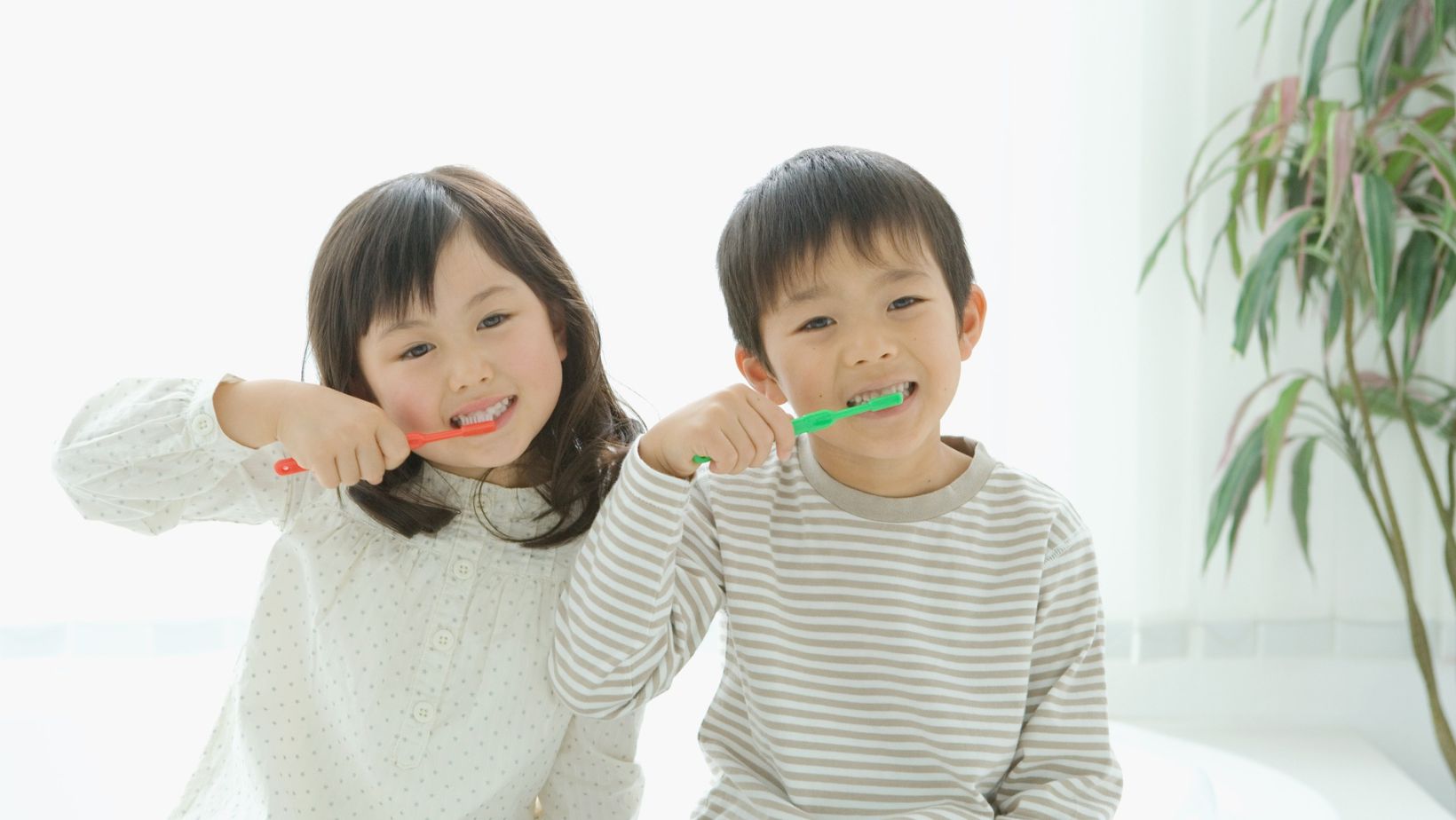
Mornings get busy fast, so simple, predictable steps make everything easier. Start with brushing teeth. Some kids focus better with music or a brushing app. Others prefer a basic two-minute timer. Whatever keeps the routine consistent works.
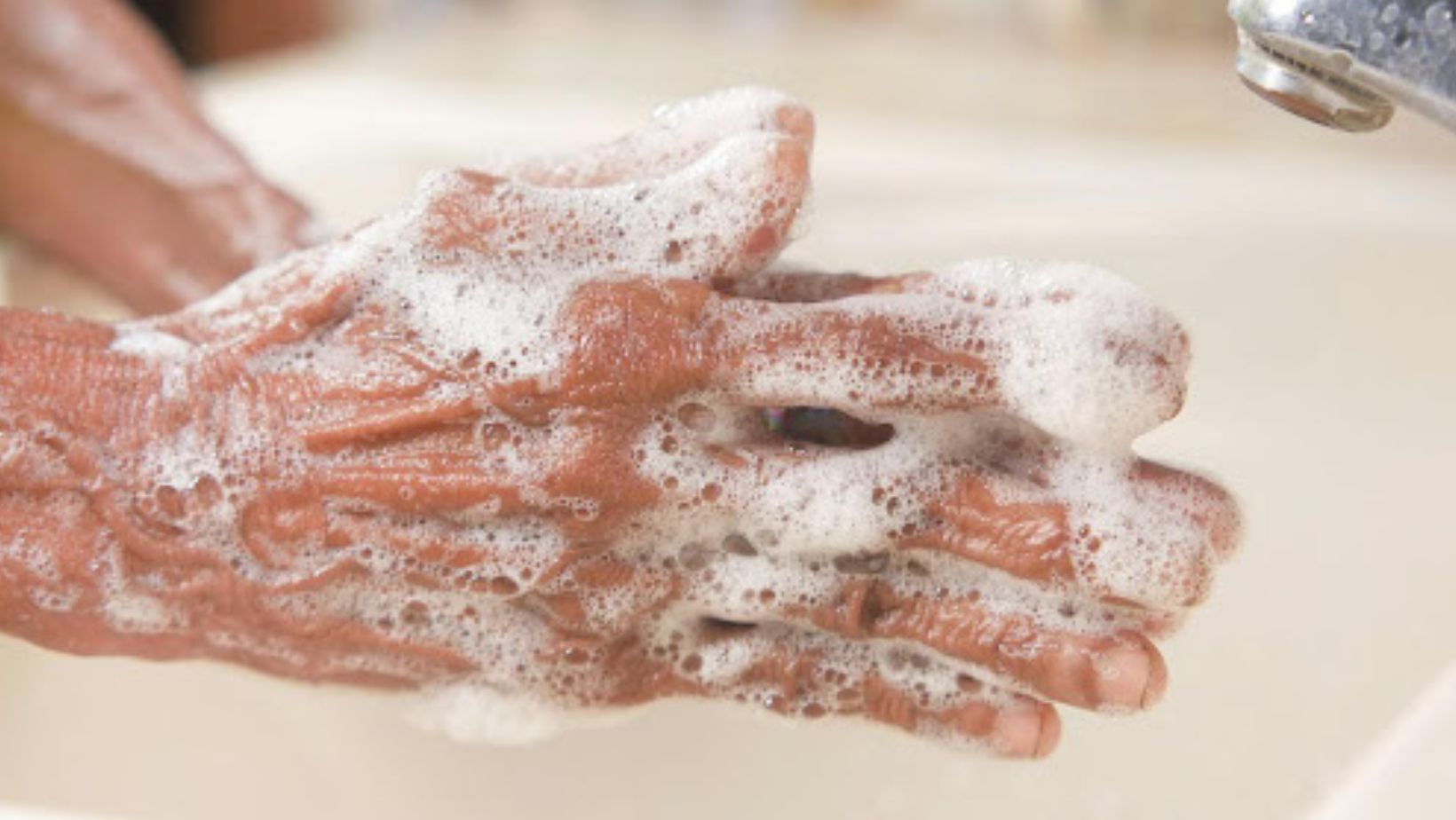
A quick face and hand wash before breakfast is another easy habit to add. You can also introduce small responsibilities, such as brushing their hair or applying their own lotion. These little tasks build confidence and help kids understand that taking care of themselves is part of their daily rhythm.
Evening Routines That Stick
Evenings are where routines really settle in. A steady wind-down helps kids switch from busy to calm. Bath time fits naturally here. Some nights it’s a quick rinse. Other nights it’s full of giggles and splashing. Both are fine as long as kids understand it’s about getting clean and settling down.
After a bath, brushing teeth again helps reinforce long-term dental habits. You can add simple steps like choosing clothes for the next day or putting toys away. These aren’t just chores. They teach kids how to take care of themselves and their space.
Dental Hygiene Matters
Dental health plays a big part in overall wellness. Early brushing skills help kids feel more responsible and aware of their health. Choosing the right toothbrush and toothpaste makes the process smoother. Soft bristles, fluoride toothpaste, and kid-friendly flavors are usually a good start.
Regular dental visits matter too. A trusted dentist can help explain techniques and show kids what’s going on in their mouths. If you’re a local, working with a pediatric dentist in Brandon, FL can give your child the support and reassurance they need while they build strong habits at home.
Making Hygiene Fun
Kids learn best when they’re having fun. A silly song, a countdown, or a small reward can turn routine tasks into something they enjoy. It’s not about bribing them. It’s about creating positive experiences around these everyday habits.
Games help them start taking more ownership. As they grow, you’ll shift from supervising every step to reminding and encouraging. Will they still push back sometimes? Sure. But a little fun usually helps ease the resistance.
Handling Common Roadblocks
Every parent eventually faces similar challenges. Maybe your child refuses to brush. Maybe they hate hair washing. Perhaps they get overwhelmed by too many steps. None of this means you’re doing anything wrong.
Kids with sensory sensitivities may need extra patience and flexibility. Softer towels, gentler products, different water temperatures, or shorter steps can help. Breaking routines into smaller pieces and rebuilding them slowly works for many families. The goal is to avoid shame and keep the process calm and supportive.
Creating a Family Culture Around Hygiene
When hygiene becomes part of your family’s culture, it’s easier for kids to accept it as a regular part of their day. You can create small rituals that reinforce this idea. Maybe everyone brushes their teeth at the same time. Maybe Saturday mornings become “fresh sheets and clean laundry” time—kids like being included and having choices. Letting them pick their toothpaste flavor or bath soap gives them ownership without overwhelming them.
Celebrating milestones helps too. The first time they brush without a reminder. The first time, they manage their whole morning routine alone. These moments matter.
Final Thoughts
Helping your child build lifelong hygiene habits takes patience, repetition, and gentle guidance. Nothing has to be perfect. What matters most is showing up consistently, modeling the behaviors you want to see, and keeping routines steady and straightforward. Over time, these small steps build a foundation your child will carry into adulthood.