Learning to express gratitude is a precious milestone in life, a lesson that children will take with them throughout adolescence and into adulthood. As a parent, you play a valuable role in teaching this gift.
Beyond verbal expressions of gratitude, thank-you notes allow children to show appreciation creatively through fun stationery, cool colors, digital templates, and genuine messages. In doing so, kids can creatively explore themes of reflection and empathy.
Turn the art of gratitude into an activity that inspires your kids to say “Thank You!”
Create a Recipient List Together
Writing thank-you notes also teaches children about obligation, starting with the recipient list.
If your child is writing thank-you notes after a birthday, gather up all of their birthday cards to create a recipient list. Check the invite list to double-check that you have every name. Next to each name on the list, write the item given, like a Harry Potter book or gardening set.
Build a Thank-You Note Station
Similar to a craft table, set up a thank-you note station to inspire thoughtful creativity. Include traditional supplies and a laptop for creating and printing personalized stationery designs.
Fill a small box with blank cards in different colors. Kids can also print out cards with various designs, such as flowers, leaves, clouds, and stars.

Place a plastic tub of homemade stationery supplies on the table, filled with rubber stamps, glitter glue, and stickers. You could also provide colored pencils, crayons, and fun metallic pens.
Next, create an envelope station!
Fill a tray with envelope decorations, complete with sticker seals and stamps. Set up a laptop with an easy personalized envelope printing tool for creating unique patterns; these tools also teach kids about graphic design, including imaginative ways to customize names and addresses in Canva.
Choose Formats By Age
You can teach children as young as three, four, and five to write thank-you notes.
For children this young, create picture postcard notes. Take a photo of your child holding their birthday gift, upload it to your computer, and use a digital stationery tool to print out a card with the image.
Leave plenty of space below the image for your preschooler or kindergartner to write “Thank You!”
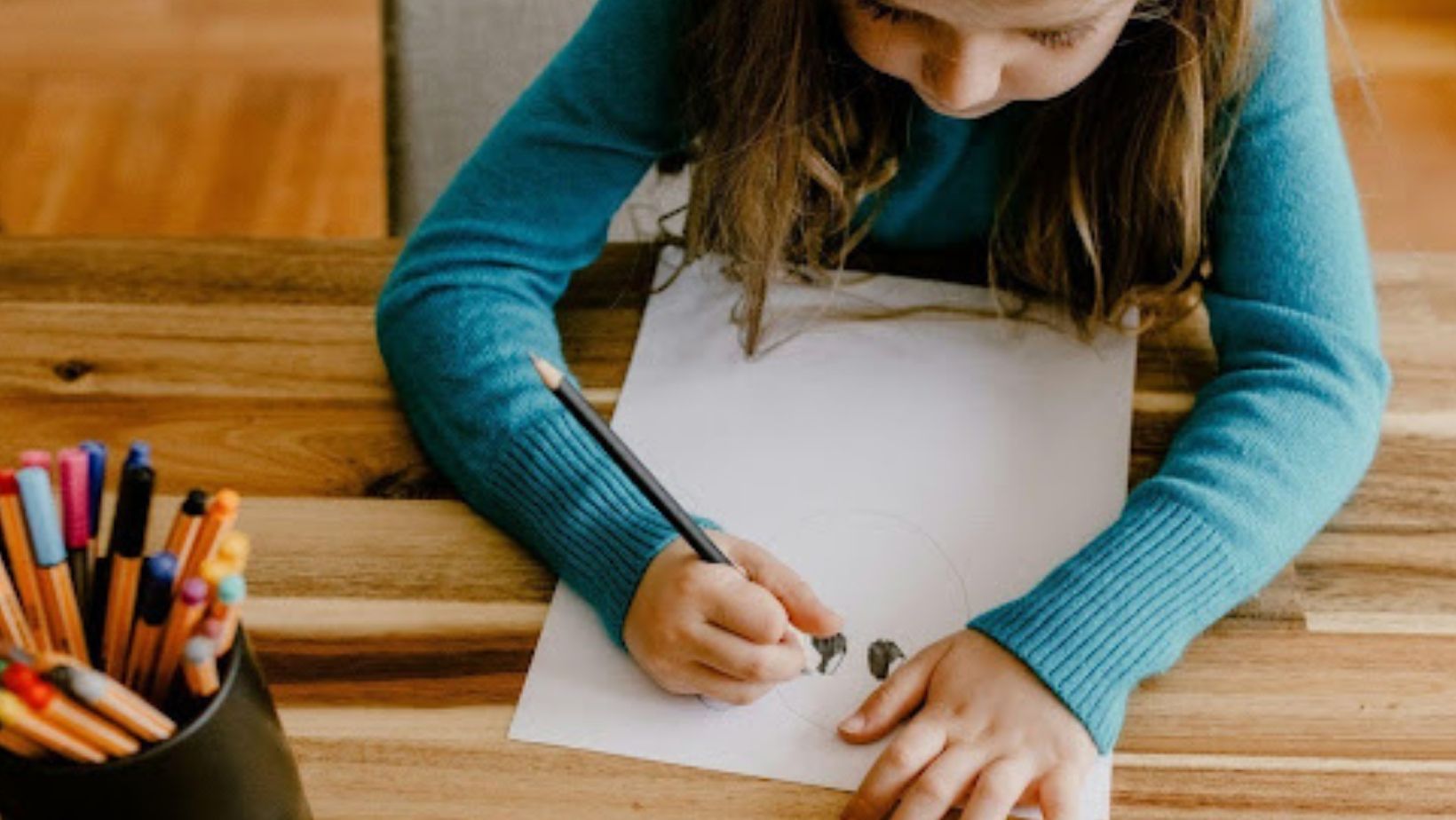
For children between the ages of 6 and 10, encourage them to write complete messages with at least two to three sentences. This activity is also an opportunity to improve penmanship. Using a ruler, create faint pencil lines on cards to guide their handwriting; erase the lines once the ink has dried to reveal a neat and clean note.
By age 11, a thank-you note routine should be fully established in your household. You can still encourage thoughtful notes by gifting stationery for birthdays and holidays. Of course, kids should be digital card whizzes by then!
Tips for Creating Sincere Messages
As your child learns to write sentences, develop activities that inspire sincere messages.
You could align these activities with projects that teach emotional recognition. When children learn how gratitude makes people feel, they can better understand the art of sincerity.
Next, create a simple thank-you note template, starting with the greeting. A classic “Dear [recipient’s name] works perfectly.
The next line should simply express gratitude for the gift. For example, “Thank you for the book.”
The following line should describe at least one reason why your child appreciates the gift. They could say, “I really appreciate this book because it’s by one of my favorite authors.” This line draws a meaningful connection to the gift.
Lastly, wrap up the thank-you note with a thoughtful closing, such as “I hope to see you soon!”
Keep the Tradition Alive
Make a tradition out of appreciation. Pass down the art of thank-you notes, inspiring creativity and sincerity through thank-you note stations, age-appropriate formats, and message templates.
Add this thank-you note checklist to your ever-growing toolbox of parenting tips and tricks. Follow us for more family-friendly essentials!