Every parent dreams of their child growing into someone who can navigate life with confidence, kindness, and resilience. When things go wrong, you hope they manage the big emotions and understand how others feel. You want them to respond positively and even learn from the setbacks, but emotional control, empathy, strong social skills, and resilience don’t always develop naturally. Just as kids learn letters, numbers, and facts as they grow, they can acquire these skills as well.
These skills are an important part of kids’ emotional and social learning. They are achievable through guidance, practice, and everyday experiences. Fortunately, you don’t need an elaborate lesson plan for this. Everyday moments at home can become meaningful learning opportunities. Here are five simple ways to build these skills at home:
1. Help Your Kid Name and Understand Their Feelings
Emotional awareness starts with vocabulary. A child cannot always explain why they are frustrated, worried, or excited. Helping them identify emotions gives them useful language for what is happening inside.
When your child is upset, help them name the feeling by first describing it. You could also use picture books or an emotion chart to explore different feelings together. This small habit teaches kids that feelings are normal. It gives them the words to express themselves rather than acting out.
2. Practice Empathy Through Everyday Situations
Empathy means noticing how another person may feel and responding with care. Children often mirror the reactions of those around them, or they develop empathy gradually through conversations and practice. For instance, when reading a story, pause and ask, “How do you think this character feels?”
You can also use real-life situations. If a sibling feels disappointed after losing a game, ask your child what might make their sibling feel better. These little conversations encourage empathy building. Through them, you could teach your child that other people’s feelings matter, even when they see things differently.
3. Let a Furry Friend Teach Through Pet Companionship
Pets are natural teachers of emotional intelligence. Caring for an animal helps kids practice patience, responsibility, and gentle communication. These are all skills that will transfer into their family and social relationships.
A child might learn to notice when a dog wants quiet time or when to use a gentle voice. They will understand that animals communicate differently from people. Some pets make this learning process easier. For instance, the adorable Coton de Tulear puppies are known for their playful personalities and strong attachment to people. They can give children opportunities to read body language and emotional cues.
However, you should know that a pet should never become a child’s responsibility alone. Yet animal companionship is one of the most joyful social-emotional development activities a family can share.
4. Encourage Confidence Without Expecting Perfection
Children need opportunities to make mistakes, try again, and discover that challenges can be manageable. Instead of only commending an outcome or success, be specific. “You did a good job” could be “You kept trying to solve this even when you didn’t get it the first time”. This focuses attention on effort and persistence.
5. Turn Family Activities into Teamwork
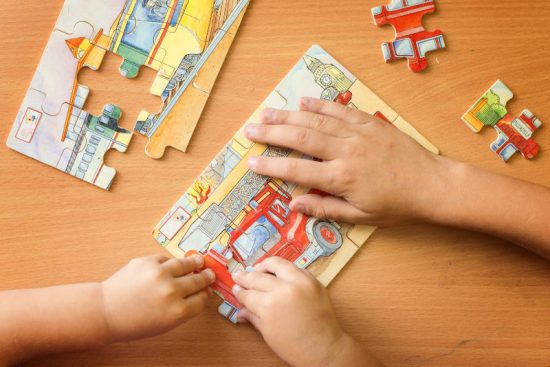
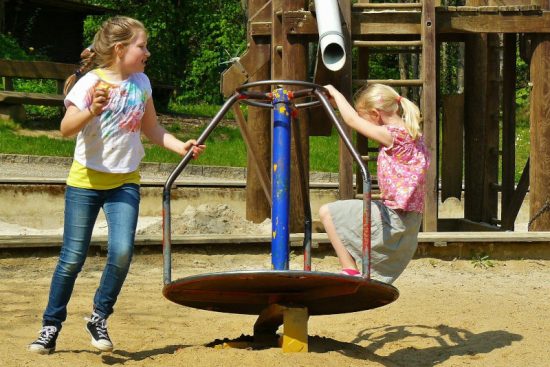
Cooperation is another important social skill that children can learn through ordinary family tasks. You could try preparing a simple snack together, completing a puzzle, or tidying a play area. Give each child a small responsibility and encourage them to listen to one another. When disagreements happen, resist the urge to solve everything. Instead, ask what they think is a fair solution. This helps kids practice communication, negotiation, and problem-solving.
Endnote
Raising emotionally intelligent children isn’t simple, but you also don’t require hours of structured teaching. A shared game, a labeled feeling, or a disagreement between siblings can all present learning opportunities for children to connect meaningfully with others.