
Building a breast milk stash takes real effort. Whether you are pumping between meetings, waking up in the middle of the night to express, or squeezing in sessions during a lunch break, every ounce represents time and energy that cannot be replaced. That is why protecting what you have collected matters just as much as collecting it. From smart freezer habits to professional preservation services like Milkify, a breast milk freeze-drying service trusted by parents and doctors across all 50 U.S. states, there are more options available today than most new parents realize. This guide walks you through the most practical, proven methods for keeping your stash safe, nutritious, and ready to use whenever your baby needs it.
Start With the Right Storage Bags
The foundation of any well-protected stash is using proper breast milk storage bags. Not all bags are equal. You need pre-sealed, pre-sterilized, single-use bags designed specifically for breast milk storage. Generic zip-lock bags or silicone pouches are not appropriate for long-term storage and can introduce contamination risks.
Purpose-built breast milk storage bags are made with materials that resist cracking at freezer temperatures, seal tightly to prevent leaks, and keep out odors that could affect the taste of your milk. Most bags on the market are also BPA-free and come with a write-on area for labeling. Do not skip this step when stocking up. Using the right bag from day one prevents a lot of heartbreak later.
Freeze Your Bags Flat
This might sound like a small detail, but freezing your storage bags completely flat is one of the most useful habits a pumping parent can develop. Flat bags stack tightly, take up significantly less freezer space, thaw more quickly and evenly, and are much easier to organize.
To freeze flat, lay each filled and sealed bag on a flat surface or small baking sheet and place it in the freezer until solid. Once frozen, you can stand the bags upright like files in a folder, slide them into a dedicated bin, or stack them in neat rows. The time investment upfront pays off every time you go to retrieve a bag.
Label Everything Consistently
Labeling sounds obvious, but inconsistent labeling creates real problems as your stash grows. At minimum, every bag should have the date the milk was expressed. Many parents also find it helpful to include the time, any supplements or medications taken, and the approximate volume in the bag.
Consistent labeling lets you rotate your stash properly, ensures older milk gets used first, and gives you an accurate picture of how much you have on hand at any given time. If you ever send your milk to a professional freeze-drying service, detailed notes can also be transferred onto your final packaging so you always know what is in each pouch.
Practice First-In, First-Out Rotation
Once you have a labeled system in place, commit to a first-in, first-out rotation. The oldest milk should always be at the front of your freezer bin, and newly pumped milk goes in the back. This ensures nothing gets buried and forgotten past its usable window.
The CDC recommends using frozen breast milk within 12 months for best quality, though it notes that milk is still usable beyond that window if stored properly. In a well-organized system, rotating your stock consistently means you are always feeding your baby the freshest available milk and reducing the chance of any bags going to waste.
Dedicate a Separate Freezer Space
If your stash is growing, a shared refrigerator freezer can become a liability. The freezer door is opened dozens of times each day, which causes temperature fluctuations that slowly degrade the quality of your milk. Older siblings grabbing ice cream, partners hunting for frozen meals, and general household chaos all create risk for a stash stored in a common area.
A dedicated deep freezer or chest freezer, set to 0 degrees Fahrenheit, provides a far more stable environment. Deep freezers also maintain temperature better during a power outage, which brings up an important point worth planning for in advance.
Have a Power Outage Plan
Power outages are unpredictable. If you have worked hard to build a substantial stash, losing it to a storm or grid failure is devastating. A few precautions can reduce that risk significantly.
Keep your freezer full. A full freezer holds its temperature much longer than a partially empty one. If you do not have enough milk to fill it, add bags of water or commercially frozen items to take up space. Avoid opening the freezer during an outage unless necessary. A completely full, closed freezer can maintain safe temperatures for up to 48 hours.
It is also worth knowing your local utility options. Some areas allow you to register as a medical household, which can prioritize your service restoration. And if a prolonged outage looks likely, having a cooler with dry ice ready can buy you extra time to make arrangements or transport your milk to another location.
Pay Attention to High Lipase Milk
High lipase is an issue many pumping parents do not discover until their baby suddenly refuses previously accepted bottles. Lipase is a naturally occurring enzyme in breast milk that helps with fat digestion, but in some parents it is more active than average and can break down fats during storage, causing the milk to develop a soapy or metallic smell and taste.
If your baby begins rejecting bottles that contain frozen or refrigerated milk, high lipase could be the reason. Scalding your milk before freezing, which involves briefly heating it to just below boiling to deactivate the enzyme, is the most common approach. However, it is worth noting that scalding can affect some of the immune factors in milk.
Freeze-drying may also help with high lipase situations by stopping further lipase activity. It cannot reverse degradation that has already happened, but if you catch it early, sending fresh frozen milk through a professional freeze-drying process can preserve it in a form your baby is more likely to accept.
Understand What Actually Degrades Breast Milk Over Time
A lot of parents worry about freezer burn or general spoilage, but the two biggest factors affecting the nutritional content of frozen breast milk are actually the length of time it stays frozen and the thawing process. Each freeze-thaw cycle puts stress on the milk and degrades its composition.
This is why careful thawing matters. Thaw breast milk in the refrigerator overnight rather than at room temperature, and never refreeze thawed milk. Use thawed milk within 24 hours of refrigerator thawing. These practices are not just recommendations for safety but for preserving the nutritional quality your baby depends on.
Consider Professional Freeze-Drying for Long-Term Storage
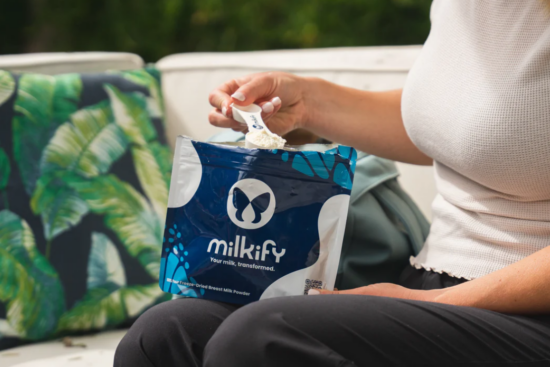
For parents who want to extend their stash’s shelf life well beyond what a freezer can offer, professional freeze-drying is worth understanding in detail. This process removes water from the milk by converting it directly from ice to vapor in a deep vacuum, without ever thawing the milk. The result is a fine powder that retains the macronutrients (proteins, fats, carbohydrates, and total calories) of the original milk and remains shelf-stable for up to three years when stored in a cool, dry place, with no refrigeration required.
Milkify is the only FDA-registered, GMP-certified breast milk freeze-drying service in the country. Their GMP certification was issued by SGS, the world’s leading testing and certification company, and their patented SafeDry contact-free processing means your milk never touches any equipment, trays, or utensils during the entire process. Your milk stays labeled with your name and a unique tracking code from the moment it arrives at their Houston, TX facility through to packaging and shipping back to you.
What makes Milkify’s approach particularly reassuring for parents is the transparency. Each bag you send in is processed separately, never pooled with another client’s milk. A trained technician works on your order exclusively in an ISO5 laminar flow hood using sterile techniques. Before packaging, the water activity of your powder is tested using a laboratory-grade meter to confirm it will remain shelf-stable for the full three years. You receive your milk back in sealed, high-barrier mylar pouches that protect against moisture, oxygen, UV light, and contamination.
Choosing the Right Milkify Service for Your Situation
Milkify offers a few different packaging options depending on how you plan to use your freeze-dried milk.
With the Singles service, each individual bag of frozen milk you send becomes its own single-use pouch of powder. Each pouch comes with custom labeling that includes the expression date and any notes you recorded, along with exact rehydration instructions. This is ideal for parents who want portion accuracy and prefer to mix one bottle at a time.
The Saver service groups your milk into larger 40-ounce pouches that come with a measuring scoop, letting you make bottles of any size. This option works well for parents with large stashes who want a more economical approach.
The Split service gives you half your order in Singles packaging and half in Saver pouches, combining flexibility with value.
For parents with tight timelines, the Express service includes overnight shipping and a guaranteed 5 to 7 day turnaround, which can be especially useful if you are traveling, relocating, or preparing for a return to work.
Shipping is handled through a straightforward process. Milkify sends you a medical-grade cooler with a prepaid Priority Overnight shipping label. No dry ice or ice packs are needed. Your milk ships frozen and arrives at their facility the following morning. The service is available in all 50 states, with local drop-off also available for parents within range of their Houston facility.
You can also add nutritional testing to your order, which gives you a detailed breakdown of the calories, fats, carbohydrates, and proteins in your milk as measured by an FDA-approved human milk analyzer.
Think Beyond the Freezer
Most of the conversation around breast milk storage focuses on the freezer, and for good reason. It is accessible, affordable, and works well for short-to-medium term storage. But as your stash grows or your situation changes, the limitations of freezer storage become more apparent. Power outages, moves, travel, and the natural degradation of nutrients over time all create risk that a well-protected stash deserves to account for.
Freeze-drying represents a meaningful step forward for parents who have worked hard to build their supply and want genuine peace of mind about its long-term safety. Three years of shelf-stable storage, without refrigeration, with full retention of macronutrients, handled by a professionally certified team, is a significant upgrade from a freezer bag that may or may not survive the next power grid hiccup.
Protecting Your Stash Is Worth the Effort
Every ounce of breast milk you produce is an investment in your baby’s health. Taking the time to store it properly, rotate it consistently, plan for emergencies, and explore modern preservation options means that investment pays off fully. Whether your stash is 50 ounces or 500 ounces, the strategies in this guide give you a realistic plan for keeping it safe from the day it is expressed to the day it reaches your baby’s bottle.