
Children are naturally curious about how things work. They watch adults fix, build, plant, paint, and organize, and often want to join in. While it may feel easier to complete tasks alone, involving kids in simple DIY projects can be incredibly valuable. These shared activities do more than improve your home; they help children develop practical life skills, confidence, and problem-solving abilities.
DIY projects don’t need to be complicated to be meaningful. In fact, the best ones are often small, safe, and focused on learning rather than perfection. When approached thoughtfully, hands-on projects can teach responsibility, patience, creativity, and teamwork, all while creating positive family memories.
Here are some family-friendly DIY ideas and the real-life skills they help children build.
Why DIY Time Matters for Kids
Many learning moments happen outside classrooms. When children help measure, sort, assemble, or decorate, they’re practicing coordination and decision-making without even realizing it. Simple tasks like holding a tape measure or choosing paint colors help them feel involved and capable.
DIY time also strengthens communication. Parents explain steps, children ask questions, and together they solve small problems that arise. This builds listening skills and resilience. Kids learn that mistakes are part of the process, and that improvement comes with practice.
Most importantly, working together shows children that everyday skills, fixing things, organizing spaces, caring for a home, are valuable and achievable.
Project 1: Building a Bird Feeder
A bird feeder is a perfect beginner project. It introduces basic construction ideas without requiring advanced tools.
Children can help measure ingredients for a homemade feeder, spread seed mixtures, or decorate the exterior. Along the way, they learn about nature, patience, and responsibility when they refill it and watch for visiting birds.
Skills learned:
● Following steps in sequence
● Fine motor coordination
● Appreciation for wildlife
Project 2: Painting and Decorating Plant Pots
This is a creative and low-risk activity for younger children. Plain terracotta pots become canvases for imagination.
Kids can paint designs, label herbs, or choose colors for different plants. After decorating, they can help with planting and watering, learning how living things grow.
Skills learned:
● Creativity and design thinking
● Basic gardening awareness
● Responsibility through plant care
Project 3: Creating a Simple Storage Organizer
A small organizer for toys, books, or art supplies teaches children the importance of order. This project can be as simple as assembling bins, labeling sections, or decorating boxes.
Children feel proud when they help build the system that keeps their space tidy. It also encourages long-term habits around organization.
Skills learned:
● Sorting and categorizing
● Planning and decision-making
● Ownership of personal spaces
Project 4: Backyard Mini Garden Beds
Raised garden beds or small planting areas are excellent for family collaboration. Kids can help scoop soil, plant seeds, and water regularly.
Gardening teaches patience better than almost anything else. Children see firsthand how care and time lead to growth.
Skills learned:
● Patience and consistency
● Basic biology awareness
● Understanding cause and effect
Project 5: Simple Woodworking Crafts
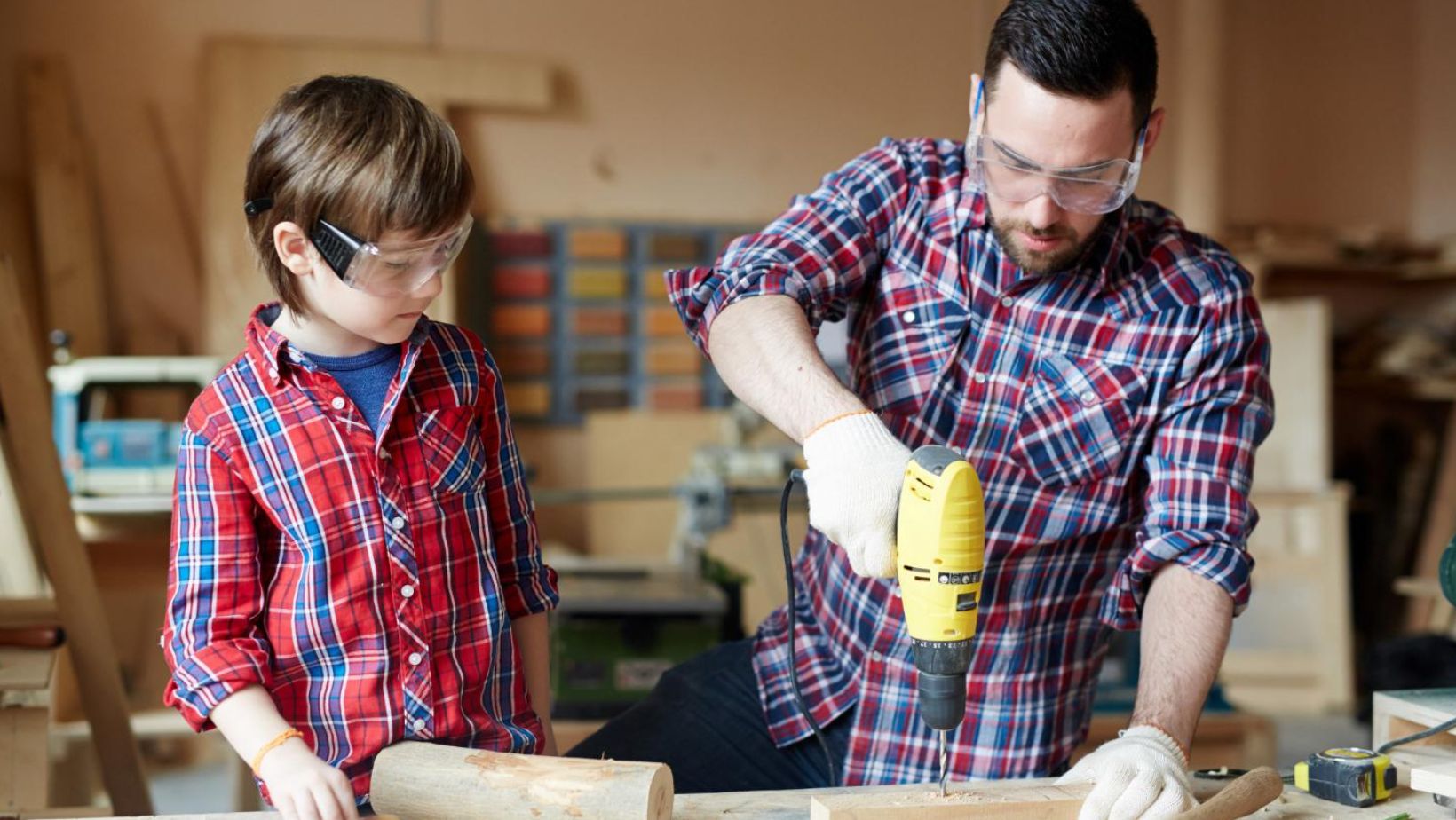
For older children, supervised woodworking projects like building a small shelf, a toolbox, or a picture frame can be very rewarding. The key is choosing age-appropriate tasks and ensuring close supervision.
Even sanding wood or helping hold pieces in place makes them part of the process. Over time, they gain respect for tools and materials.
Skills learned:
● Hand-eye coordination
● Safety awareness
● Persistence through multi-step tasks
Choosing the Right Tools for Family DIY
Family projects should always prioritize safety and simplicity. Child-safe tools, lightweight materials, and clear instructions make activities enjoyable rather than stressful.
Basic supplies like measuring tapes, small screwdrivers, child-safe paintbrushes, and gloves are often enough for most projects. As children grow, they can gradually learn how to handle more advanced tools under supervision.
For larger home projects that require sturdier equipment, parents sometimes research general suppliers such as Equipment Outfitters when planning work around the house or yard. While kids shouldn’t handle heavy-duty tools, knowing the right equipment is available can help parents manage bigger tasks efficiently and safely.
The focus should always be on choosing tools that match the project and the child’s age.
Making DIY Time Positive
The goal of family DIY is not perfection, it’s participation. Projects may be messy or slower than doing them alone, and that’s okay. Children remember the experience more than the final result.
A few tips for success:
● Keep projects short and age-appropriate
● Praise effort, not just outcomes
● Allow children to make small choices
● Embrace imperfections as learning moments
When kids feel trusted and included, their confidence grows, and they become more willing to try new challenges.
The Bigger Picture
DIY projects teach more than practical skills. They show children how to approach tasks step by step, how to handle setbacks, and how to take pride in creating something useful.
These lessons carry into school, friendships, and eventually adult life. A child who learns to build, fix, plant, and organize gains a sense of capability that can’t be taught through screens alone.
In a busy world, family DIY time also offers something rare: focused, shared attention. It’s time spent learning together rather than rushing through routines.
Family-friendly DIY projects are simple but powerful. They turn everyday home tasks into learning opportunities and strengthen bonds along the way. Whether painting pots, planting seeds, or assembling organizers, children gain real-life skills that build independence and confidence.
You don’t need complex plans or expensive materials to get started. A small project, a bit of patience, and a willingness to involve your child can make a big difference.
And sometimes, the most meaningful lessons happen not in big achievements, but in small moments of building something together.