

Home is often considered to be the safest place to be, especially for older people. But safety at home cannot always be taken for granted.
A sudden drop on the ground, shortness, crushing in the chest, or any unforeseen factor of a medical problem emerges without warning. For people living alone, a little delay in getting help can take a minor incident and turn it into a serious emergency.
In stressful situations, phones may be out of reach or difficult to use, making it relatively more challenging to call for assistance when it is needed the most. This is where medical alert systems come in.
Designed for easy access to help, these systems are a reliable way to respond to emergencies in the home. They advocate for independence while enhancing daily safety and peace of mind.
This article focuses on the explanation of how medical alert systems ensure safety at home and why they are becoming an essential fix for safer living.
What a Medical Alert System Does
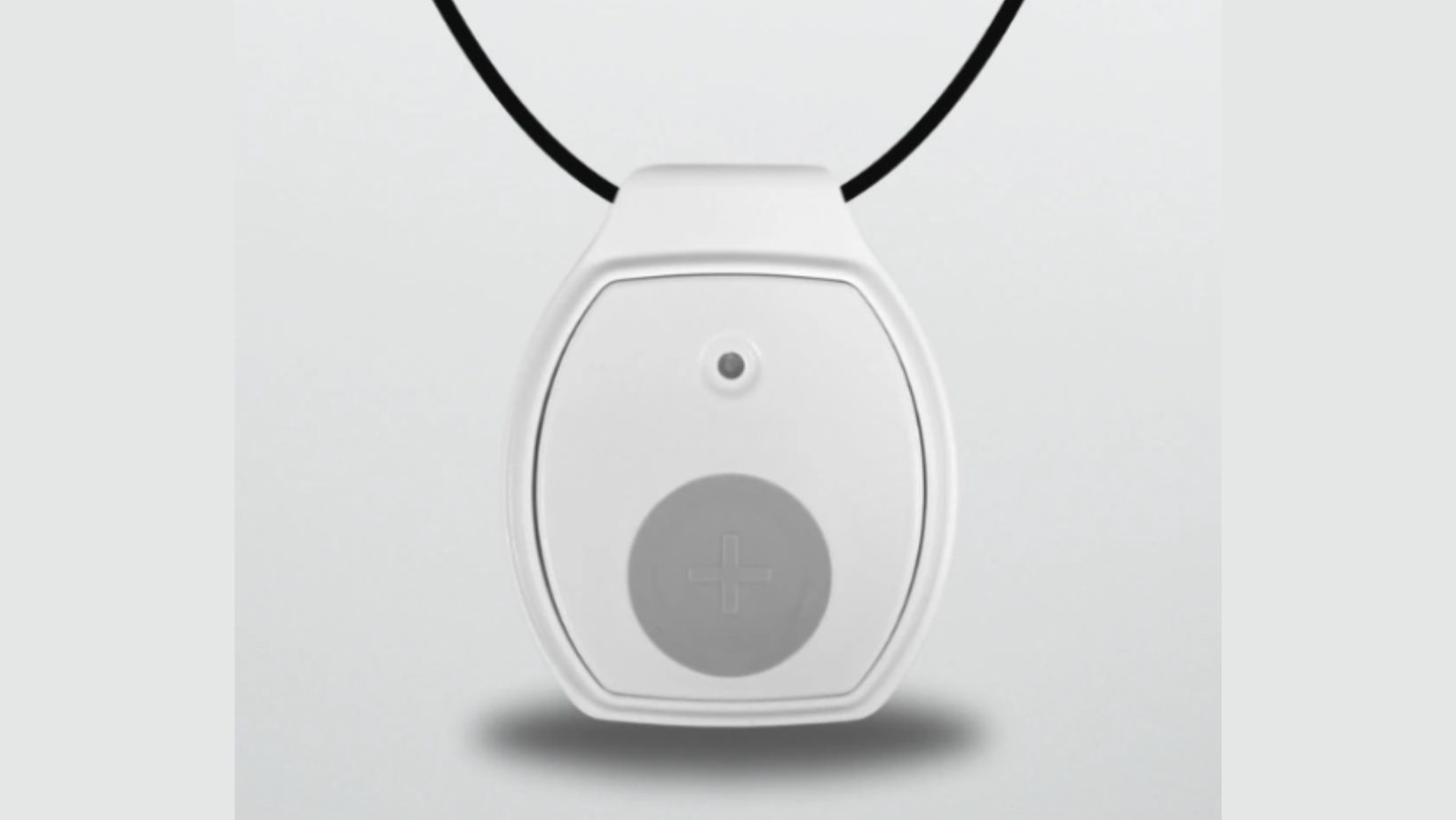
A medical alert system assists a person to seek emergency help at the convenience of their home. Many systems consist of a small wearable item, such as a pendant or wristband, that has a button that can be pressed during an emergency. Once activated, it puts the user in touch with a response center where trained staff can evaluate the situation and dispatch assistance.
It is also common in many systems to have automatic fall detection, which notifies the responders even in the absence of the user pressing the button. One such example is Life Assure, which offers both emergency call buttons and fall detection devices, offering a good level of support and confidence to live independently.
How Medical Alert Systems Improve Safety At Home
Beyond providing emergency access, medical alert systems actively reduce everyday safety risks at home. They work as a constant backup, especially for seniors living alone, ensuring that help is never out of reach during unexpected situations.
1. Faster Help During Emergencies
One of the most important benefits of medical alert systems is faster emergency response. In emergencies, time is of the essence. Delays in obtaining help may lead to more severe injuries or prolonged pain or recovery times.
Falls and sudden medical emergencies are among the most common causes of injury in older adults, and timely medical attention can significantly reduce the risk of serious complications.
Medical alert systems remove the common delays by allowing a user to receive assistance instantly without having to reach a phone, open a device, or call more than one person. Such access to support within a short time ensures that older adults receive the care they need as soon as possible, improving their safety and well-being.
2. Fall Detection Adds Extra Safety
Falls are of a sudden nature usually. An individual is liable to lose balance, be dizzy, or slip on a wet floor. Once they fall, they might not be in a position to move, stand, and press the help button.
This issue is addressed by automatic fall detection, which sends an alert on behalf of the user. Fall detection occurs automatically, and therefore, in case the person is unable to access the emergency button following a fall, help is dispatched automatically.
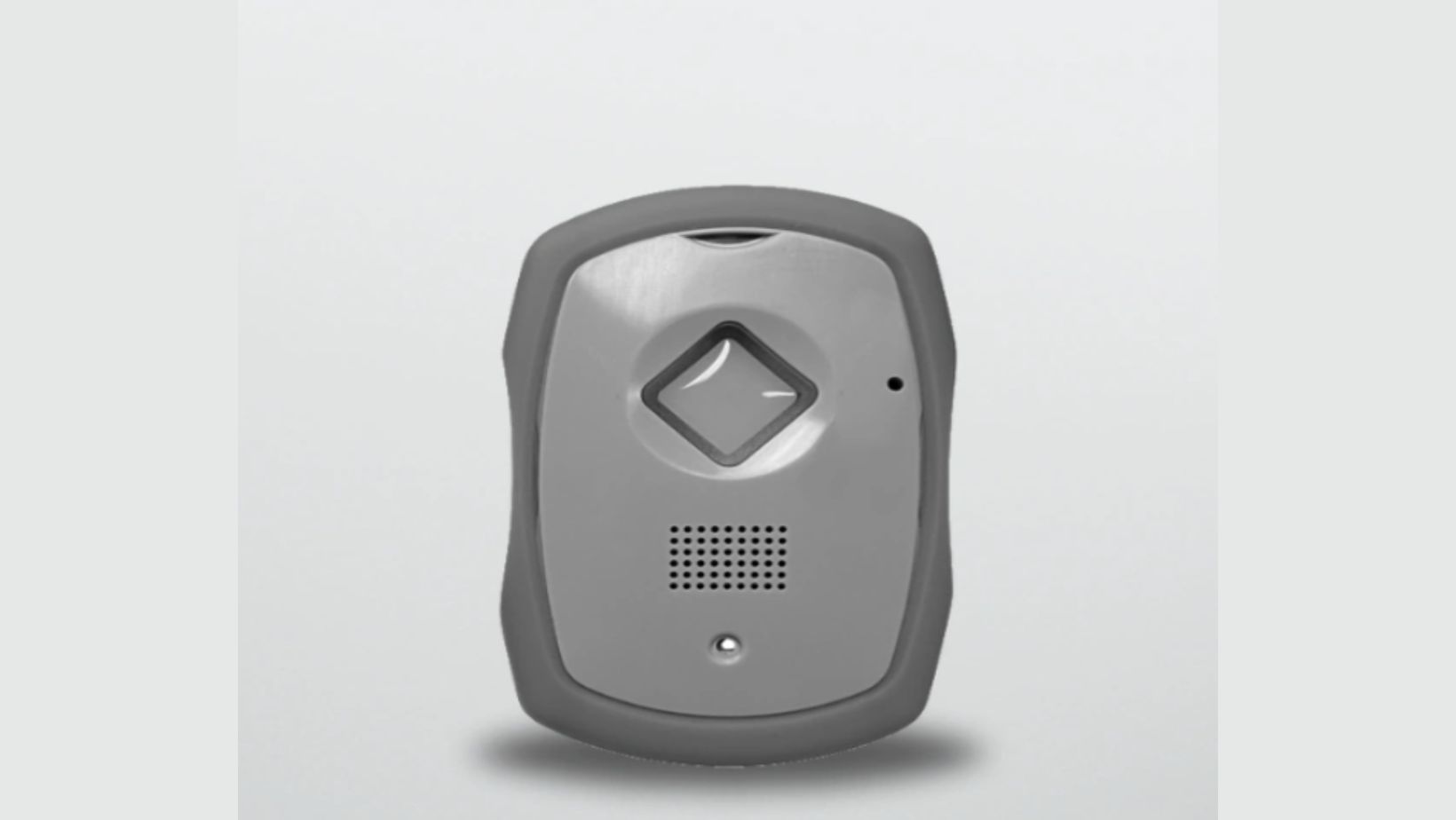
The report states that immediate aid after a fall can be used to prevent subsequent damage, minimize complications, and aid in a faster process of recovery. This is particularly important to older adults who are living alone or have mobility limitations, balance issues, and other health problems, making them prone to falls, which adds an additional level of security and comfort.
3. Supporting Independent Living at Home
Medical alert systems are designed to help make you more independent, not to restrict your independence. Knowing that help is available at all times enables individuals to be free to move on with everyday routines with confidence.
With emergency care available at all times, simple tasks such as cooking, bathing, cleaning, or walking around the home are no longer as stressful. This assurance facilitates independence and enables seniors to stay longer in their own homes without the need for constant supervision.
4. Peace of Mind for Families and Caregivers
Medical alert systems have the advantage of providing reassurance for families and caregivers, as well. Adult children or caregivers are often concerned about what might happen when they are not around.
Missed calls, delayed responses, or a long time between check-ins can cause ongoing anxiety. A good alert system helps to alleviate these concerns. It keeps them safe and independent, without requiring constant observation by the family members.
Choosing the Right Medical Alert System.
Long-term comfort and safety depend on the choice of the medical alarm system. The three key elements to be considered are fall detection, ease of use, and response time. The system should also be user-friendly and easy to wear, even under stressful conditions.
A medical alert system guide states that people are more secure when they feel at ease with the system in their everyday endeavors. The appropriate alternative should be easily integrated into normal life without bringing confusion and frustration. A system such as this must be simple, familiar, and very easy to operate to work during an emergency. This is because more people will wear it frequently.
Conclusion
Medical alert systems are useful to increase the safety of older adults. They help to manage quick responses, minimize safety risks from falls, and help people lead their independent lives.
To the person, they give them assurance and security. To families, they provide a sense of calmness and less stress. Medical alert systems allow people to live in their own homes safely and comfortably and with dignity because help is easily accessible at any time.