Finding the right outdoor activity for your child can feel like a lot. There are many options, each with different schedules, skill levels, and safety needs. This guide breaks it down so you can choose with confidence.
Start With Your Child’s Interests and Focus on Safety
Begin by listing your child’s interests and what you hope they gain. Are you looking for social skills, fitness, focus, or pure fun? If you match goals to interests, your choices will get simpler, and your child is more likely to stick with them.
Once you have an idea of what your child wants to focus on, compare the programs and ask how they screen staff, train leaders, and handle emergencies. Check adult-to-youth ratios, bathroom policies, and sign-in rules. Good programs encourage questions and share policies in writing.
Explore Options Near You
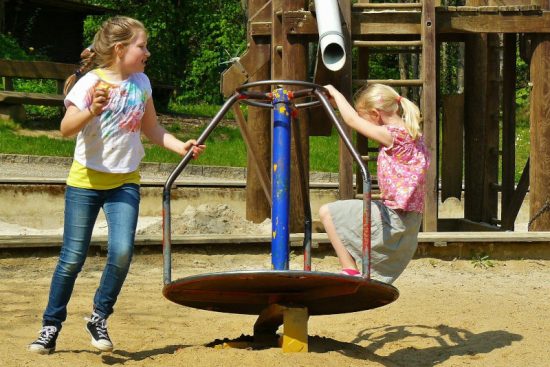
Think about your local mix: city parks, community centers, school fields, and waterfronts. Many families start with day camps, nature clubs, paddling, or team sports because they are easy to try and scale.
Compare nearby options. If you are from the area, you can explore Mercer Island camps to see schedules, ages, and themes, then use those details as a model for programs in your area. Sketch a simple plan with 2 short trial sessions before you commit to a full season.
How to narrow down your choices:
-
Pick 2 activities that fit your child’s interests and your weekly rhythm
-
Check age ranges, daily length, and commute time
-
Confirm safety practices and first aid training
-
Look for a trial class, open house, or short session
-
Ask about financial aid and gear loans
How Much Movement Kids Really Need
Outdoor time should support healthy movement. Health authorities recommend that kids and teens get at least 60 minutes of moderate-to-vigorous activity each day. Look for programs that blend aerobic play with skill practice and free time, and confirm they plan for active minutes instead of long waits.
A public health summary from the Centers for Disease Control and Prevention highlights the 60-minute daily goal for ages 6-17, with activity that makes hearts beat faster and builds strength.
Screens, Phones, and Attention
Outdoor activities can be a healthy break from screens, but a strict time limit is not the only answer. Pediatric experts suggest focusing on the quality of media use and the balance of family values, routines, and sleep.
Ask providers how they manage phones, photos, and screen-based tools during sessions so the focus stays on movement, nature, and friends. Building a family plan that values quality interactions over a single screen-time number.
Age, Readiness, Skill Progression, and Socialization
Match activity design to age and skill. Younger kids do well with short, varied blocks that feel like games. Older youth can handle longer skills segments and leadership roles, like helping set up gear or teaching a drill. Ask instructors how they progress skills week to week so your child sees growth, not just busy time.
Here are some signs to look at to know if a program fits:
-
Clear goals for each session
-
Visible skill progressions posted or shared
-
Positive coaching language and frequent feedback
-
Short lines and plenty of reps
-
Time for free play and peer connection
Kids stay engaged when they feel known and included. Watch how leaders greet your child and handle shy moments or big energy. Ask about buddy systems, mixed-ability groups, and chances to help peers. When kids help and teach, they care more and try harder.
Cost, Scholarships, and Registration Timing
Budget is part of the decision. Besides base fees, ask about gear, rentals, and travel. Many city and community programs provide financial aid that must be approved before you register, so apply early and save your receipts in one place.
This is a good moment to set a family plan for pick-ups, snacks, and water so logistics do not derail the fun. Financial aid scholarships are available and must be approved before registration, with processing time built in.
Build a simple weekly rhythm
A steady pattern keeps energy up and stress down. Set 2 active days and 1 flexible day for rest or homework. Use the flexible day to try a new park, a short bike ride, or a quick backyard skill circuit. If your child wants more, add time, not complexity. A strong routine beats a packed schedule.
Do not wait for perfection. Pick the best fit and set a 2-week check, ask your child what felt fun, what felt hard, and what they want to try next. If the fit is off, change course quickly. You are building a long-term love of being outside, so a few pivots are normal.

Choosing outdoor youth activities nearby is simpler when you stick to your child’s interests, ask clear safety questions, and line up logistics early. Use trends and local guides to spot new beginner options, then check movement goals, screen balance, and cost. Aim for steady progress and joy in the outdoors.