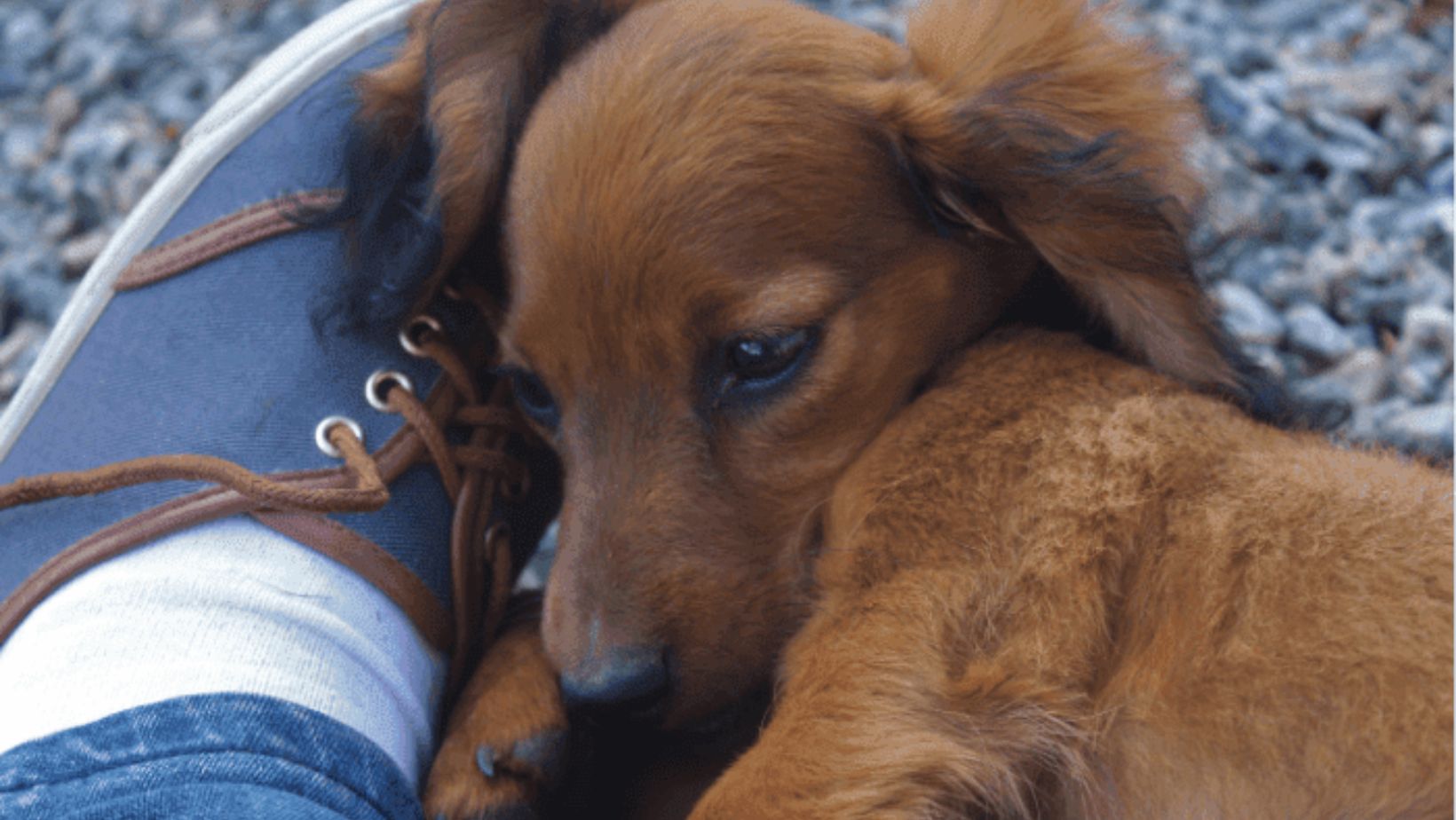
Bringing home a first family puppy is a big, exciting step—especially when you have kids in the mix. Dachshunds (often lovingly called “wiener dogs”) are bright, funny, and fiercely loyal. They’re also bold for their size, surprisingly strong-willed, and prone to expressing opinions… loudly. The good news: with the right routines and kid-friendly boundaries, a dachshund can become a wonderful family companion.
This parent-focused guide walks you through what to expect in real life: teaching gentle hands, managing puppy nipping, setting up nap time, and building a calm household rhythm that helps both children and puppy thrive.
Why Dachshunds Can Be A Great First Family Puppy
Dachshunds tend to bond closely with their people, which can be a sweet match for children who want a “shadow” dog. They’re playful indoors, don’t require marathon runs, and often enjoy interactive games like scent hunts and puzzle toys.
At the same time, dachshunds were bred to hunt, which means they can be independent thinkers and quick to react. Many dachshunds are sensitive to rough handling and may nip if startled or overwhelmed. None of that is a dealbreaker—it simply means parents should lead with structure, supervision, and teaching kids what respectful dog behavior looks like.
Setting Expectations: What Kids Should Know On Day One
Before your puppy arrives, have a quick “family dog meeting.” Keep it simple and positive. A few rules go a long way:
- Hands low, voices calm. Excited squeals can ramp up a puppy fast.
- No chasing, no grabbing. If puppy runs away, it’s an invitation to chase—so kids should freeze instead.
- Let sleeping dogs sleep. A startled dachshund may snap defensively.
- One safe space is puppy-only. A crate or pen is off-limits to kids.
For young children, it helps to practice with a stuffed animal: gentle petting on the back or chest, not hugging the neck, not touching paws or tail.
How To Puppy-Proof A Home With Children

Puppy-proofing is really kid-proofing too—because everyone is learning.
- Create zones: Use baby gates or an exercise pen so your puppy can be near the family without constant handling.
- Pick up small items: Legos, hair ties, and snack wrappers are irresistible.
- Secure cords and shoes: Dachshunds can be determined chewers, especially during teething.
- Choose family-friendly toys: Soft tug toys, food puzzles, and puppy-safe chews keep mouths busy.
If you’re still in the “research” phase and want to see what families should look for in a dachshund puppy, you can start exploring options and shop HonestPet—just remember that the most important part is preparing your home and routines for success.
The First 72 Hours: Building Calm, Not Chaos
Those early days set the tone. Your goal isn’t perfect behavior—it’s a predictable rhythm.
- Keep greetings gentle. One child at a time, seated, offering a treat on an open palm.
- Start a potty routine immediately. After waking, after eating, after play, and every 1–2 hours at first.
- Limit handling. Kids can help with feeding and simple training, but avoid constant carrying.
- Introduce the crate/pen as a good place. Toss treats in, feed meals nearby, and keep it cozy.
A common mistake is letting kids “play puppy out” until everyone is exhausted. Puppies don’t always self-regulate—they often get bitey and wild when overtired.
Nipping: Why It Happens And What Parents Should Do
Puppy nipping is normal. Dachshunds explore the world with their mouths, and teething makes chewing feel relieving. Add excited kids (fast hands, fast feet), and you’ve got a perfect nipping recipe.
Here’s what works best in family homes:
- Teach kids to be boring. When teeth touch skin or clothing, kids should freeze like a statue, fold arms, and look away.
- Redirect immediately. Offer a chew toy or tug toy the moment puppy gets mouthy.
- Use short “reset breaks.” If puppy is too wound up, calmly guide them to the pen or crate with a chew for a nap.
- Avoid rough play. Wrestling with hands, letting puppy bite at sleeves, or playing chase increases nipping.
What not to do: yelling, tapping the nose, or “alpha” style corrections. Those can make a sensitive puppy more anxious, and anxiety can lead to more reactive behavior.
Teaching Kids The Right Way To Play With A Dachshund
The best kid-puppy play is structured and predictable. Try these parent-approved activities:
- Treat Toss Game: Kids toss one piece of kibble away from their bodies so puppy runs to get it—no hands in the action.
- Find It: Scatter kibble in a snuffle mat or around one room to encourage calm sniffing.
- Gentle Tug (With Rules): Only if puppy is calm. Start and end the game on cue (“take it” / “all done”), and keep hands away from teeth.
- Mini Training Sessions: Sit, touch, and name recognition are great for kids to help with.
Aim for multiple short play sessions rather than one long, chaotic one.
Nap Time: The Secret Weapon For A Peaceful House
Puppies need a lot of sleep—often 18–20 hours a day. If your dachshund is acting like a tiny alligator, they probably need a nap, not more play.
A simple nap rhythm many families love:
- 1 hour awake
- 2 hours resting (in crate or pen)
Signs your puppy needs downtime:
- Zoomies that turn into nipping
- Ignoring cues they knew five minutes ago
- Barking at everything
- Getting “grabby” with kids’ clothes or hair
Make nap time non-negotiable. Tell kids: “Puppy is sleeping so their brain can grow.” It turns rest into something children can feel proud of supporting.
Training Basics That Make Life Easier For Parents
A few cues matter more than fancy tricks, especially with kids:
- Name Response: Say the puppy’s name → treat when they look at you.
- Touch: Puppy boops your palm → treat. Great for calling them away from kids.
- Sit: Helps control greetings and excitement.
- Leave It: Builds impulse control around toys, snacks, and kid items.
- Go To Bed: Teaching puppy to settle on a mat is gold during dinner and homework time.
Keep sessions short (1–3 minutes). Let children take turns being the “treat helper” while an adult handles timing and safety.
Safety Tips Unique To Dachshunds In Family Homes
Dachshunds are adorable—and their long backs are also a real responsibility. Protecting their spine should be part of your family culture from the start.
- No jumping off furniture. Use ramps or steps if your pup is allowed on the couch.
- Support the body when lifting. One hand under the chest, one under the rear.
- Supervise stairs. Many families use baby gates to block stair access.
- Teach kids not to carry the puppy. Even well-meaning kids can drop a wiggly pup.
If you can teach just one mantra, make it: “Four paws on the floor unless an adult helps.”
When To Ask For Extra Help
If you notice repeated growling around children, snapping, guarding food/toys, or intense fear behaviors, don’t wait it out. A certified positive-reinforcement trainer can help early—often in just a session or two—before patterns become habits.
It’s also smart to loop in your veterinarian about teething, appropriate chews, and any pain or digestive issues that might make a puppy crankier than usual.
A Happy Ending Starts With Routine And Respect
A dachshund puppy and children can be an amazing match when the adults build the framework: predictable routines, supervised interactions, kid-friendly games, and protected nap time. In that environment, your puppy learns that kids are safe, fun, and calm—and your kids learn the kind of empathy and responsibility that lasts far beyond puppyhood.
If you commit to consistency in the early weeks, you’ll be rewarded with the best kind of family dog: a small companion with a huge heart, ready to follow your kids from playtime to story time—one cozy nap in between.