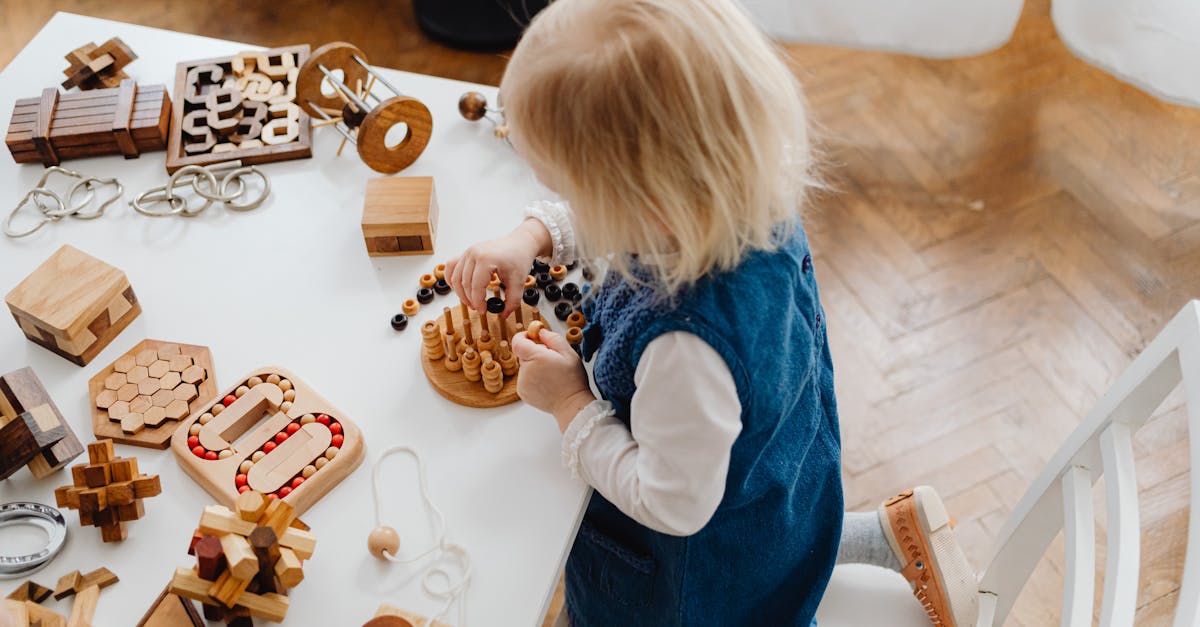
Picture this: a three-year-old sits cross-legged on the living room rug, tongue poking out in concentration, as she fits the last piece into a chunky wooden puzzle. Her eyes light up. She claps. You cheer. In that tiny moment, something big just happened—her brain made a new connection. If you’ve ever watched a preschooler solve a puzzle, you know it’s not just about matching shapes. It’s about discovery, confidence, and the thrill of figuring things out. That’s the magic of puzzles for preschoolers.
Why Puzzles for Preschoolers Matter
Let’s get real: not every toy in the playroom pulls its weight. Some light up and sing, but leave kids passive. Puzzles for preschoolers, though, demand action. They ask little hands to twist, turn, and try again. They challenge young minds to spot patterns and solve problems. Here’s why that matters:
- Fine motor skills: Picking up and placing pieces builds hand strength and control.
- Visual-spatial reasoning: Kids learn to see how parts fit into a whole.
- Patience and persistence: Puzzles teach that mistakes are part of learning.
- Language development: Talking about colors, shapes, and pictures builds vocabulary.
If you’ve ever felt guilty about screen time, puzzles for preschoolers are your secret weapon. They’re quiet, screen-free, and sneak in learning while kids play.
What Makes a Great Puzzle for Preschoolers?
Not all puzzles are created equal. Some frustrate. Some bore. The best puzzles for preschoolers hit a sweet spot: challenging, but not impossible. Here’s what to look for:
- Chunky pieces: Easy to grip, hard to lose under the couch.
- Bright, clear images: Think animals, vehicles, or favorite characters.
- Sturdy materials: Wood or thick cardboard stands up to rough play.
- Age-appropriate piece count: Start with 2-6 pieces for two-year-olds, 12-24 for four-year-olds.
Here’s the part nobody tells you: sometimes, the “right” puzzle is the one your child wants to do over and over. If your kiddo loves dinosaurs, a dino puzzle will get more play than any “educational” option you pick.
Types of Puzzles for Preschoolers
Let’s break it down. There’s a puzzle for every kind of learner. Here are the main types you’ll find:
- Knob puzzles: Each piece has a handle. Perfect for tiny hands just starting out.
- Jigsaw puzzles: Classic interlocking pieces. Great for building patience and focus.
- Floor puzzles: Oversized pieces you build on the floor. These make teamwork fun.
- Magnetic puzzles: Pieces stick to a board—no more lost pieces under the fridge.
- 3D puzzles: Blocks or shapes that stack. These add a new dimension to problem-solving.
If your child gets bored easily, try rotating different types. Variety keeps things fresh and challenging.
How to Choose the Right Puzzle
Here’s where most parents trip up: they buy a puzzle that’s too hard or too easy. The result? Frustration or boredom. Here’s how to get it right:
- Watch your child play. Do they finish puzzles quickly, or do they struggle?
- Start simple. It’s better to build confidence than to overwhelm.
- Increase difficulty slowly. Add more pieces or try new types as skills grow.
- Follow their interests. If your child loves trucks, find a truck puzzle.
Remember, the goal isn’t to “teach” but to invite curiosity. If your child asks for help, that’s a win—they’re learning to ask questions and work together.
Making Puzzle Time Fun (and Sneakily Educational)
Let’s be honest: some days, you just want your kid to play quietly for five minutes. But puzzle time can be more than a break for you. Here’s how to make it count:
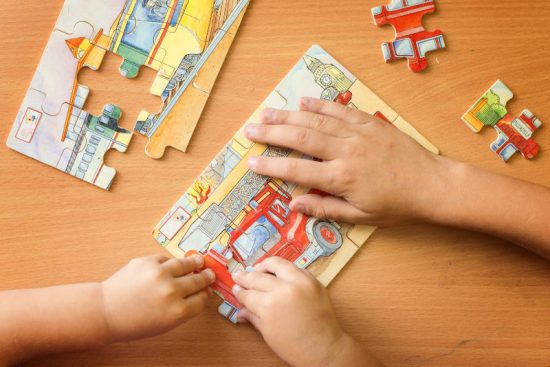
- Play together: Narrate what you see. “This piece has a red wheel. Where does it go?”
- Ask open-ended questions: “What happens if we turn this piece?”
- Celebrate mistakes: “That didn’t fit—let’s try another way!”
- Mix it up: Try doing puzzles upside down, or with a timer for a silly challenge.
If you’ve ever felt like you’re not “doing enough” as a parent, remember: sitting on the floor and puzzling together is more than enough. You’re building connection and confidence, one piece at a time.
Common Mistakes (and How to Avoid Them)
Here’s a confession: I once bought a 100-piece puzzle for my four-year-old. It ended in tears (mine and his). If you’ve ever made a similar mistake, you’re not alone. Here are a few common pitfalls:
- Choosing puzzles with too many pieces
- Forcing kids to finish when they’re tired or frustrated
- Ignoring your child’s interests
- Not rotating puzzles—kids crave novelty
Next steps: keep a few puzzles in rotation, swap with friends, or check your local library for new options. Fresh puzzles keep kids engaged and learning.
Who Benefits Most from Puzzles for Preschoolers?
Puzzles for preschoolers aren’t for every child, every day. Some kids love them. Others prefer blocks, art, or pretend play. That’s okay. Puzzles work best for:
- Kids who like to figure things out
- Children who enjoy quiet, focused play
- Parents looking for screen-free activities
- Families who want to build patience and problem-solving skills
If your child resists puzzles, don’t force it. Try again in a few weeks, or offer a different type. The goal is joy, not perfection.
Where to Find the Best Puzzles for Preschoolers
You don’t need to spend a fortune. Some of the best puzzles for preschoolers come from thrift stores, hand-me-downs, or local libraries. If you want new options, look for brands like Melissa & Doug, Ravensburger, or Mudpuppy. Check reviews for durability and age-appropriateness.
Pro tip: Store puzzle pieces in zip bags or small boxes. Missing pieces are the enemy of fun.
Final Thoughts: The Real Gift of Puzzles
Here’s what nobody tells you: the real value of puzzles for preschoolers isn’t just academic. It’s the pride in a job finished, the giggle when a piece finally fits, the quiet focus that settles over the room. It’s the memory of sitting together, side by side, solving something—one piece at a time. If you’re looking for a simple way to spark learning and laughter, puzzles for preschoolers are a small investment with a big payoff.