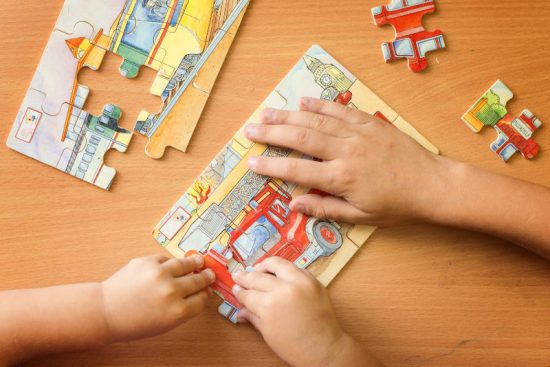

Picture this: a rainy Saturday, your six-year-old sprawled on the living room rug, tongue poking out in concentration, hands working a jigsaw piece into place. Suddenly, a triumphant grin. That’s the magic of puzzles for kids age 6—moments where fun and learning collide, and you get a front-row seat.
Why Puzzles for Kids Age 6 Matter
If you’ve ever watched a child wrestle with a puzzle, you know it’s more than just play. Puzzles for kids age 6 build patience, sharpen focus, and teach that mistakes are just part of the process. At this age, kids crave challenge but still need a sense of accomplishment. The right puzzle hits that sweet spot—tricky enough to stretch their brains, but not so hard they give up.
Here’s the part nobody tells you: puzzles for kids age 6 aren’t just about matching shapes or colors. They’re about building confidence, one piece at a time. When your child finally clicks that last piece in, they’re not just finishing a picture—they’re learning grit.
What Makes a Great Puzzle for Kids Age 6?
Not all puzzles are created equal. Some gather dust after one try, while others become family favorites. So, what should you look for?
- Piece count: Most six-year-olds thrive with puzzles between 50 and 100 pieces. Too few, and they’re bored. Too many, and frustration takes over.
- Theme: Dinosaurs, unicorns, outer space—pick a theme that lights up your child’s imagination. The right picture keeps them coming back.
- Material: Sturdy cardboard or wood stands up to little hands. Avoid flimsy pieces that bend or tear.
- Challenge level: Look for puzzles with clear images and distinct shapes. At age 6, kids can handle more complex scenes, but they still need visual clues.
Here’s why this matters: the right puzzle can turn a reluctant learner into a puzzle fanatic. The wrong one? It gathers dust under the couch.
Types of Puzzles for Kids Age 6
Let’s break it down. There’s a world of puzzles for kids age 6, and each type brings something different to the table.
Jigsaw Puzzles
The classic. Jigsaw puzzles for kids age 6 come in every theme imaginable. They teach spatial reasoning, patience, and the joy of seeing a picture come together piece by piece. If your child loves animals, try a 60-piece jungle puzzle. If they’re into vehicles, a 100-piece construction site might be the ticket.
Logic and Brain Teasers
Think Sudoku, tangrams, or simple riddles. These puzzles for kids age 6 stretch their problem-solving muscles. They’re perfect for kids who like a challenge and don’t mind thinking outside the box.
3D Puzzles
Ready to level up? 3D puzzles for kids age 6 add a new dimension—literally. Building a dinosaur skeleton or a model rocket gives kids a sense of accomplishment and a cool keepsake for their shelf.
Word and Number Puzzles
Crosswords, word searches, and simple math puzzles sneak in learning while kids play. If your child is starting to read or loves numbers, these puzzles for kids age 6 are a win-win.
How Puzzles for Kids Age 6 Boost Learning
Here’s the secret: every puzzle is a mini classroom. When kids work on puzzles for kids age 6, they’re not just passing time—they’re building real skills.
- Fine motor skills: Picking up and placing pieces strengthens little fingers.
- Visual-spatial reasoning: Kids learn to see how shapes fit together, a skill that helps with math and reading later on.
- Memory: Remembering where a piece goes or what the finished picture looks like gives their brains a workout.
- Patience and perseverance: Puzzles teach kids to stick with a challenge, even when it’s tough.
If you’ve ever worried your child gives up too easily, puzzles for kids age 6 are a gentle way to build resilience. Every “I can’t do it” moment is a chance to practice trying again.
Real-Life Stories: When Puzzles Click
Last year, my nephew Ben hated puzzles. He’d dump the pieces, try a few, and wander off. Then we found a 75-piece dinosaur puzzle. Suddenly, he was hooked. He’d call me over to show off the T-Rex’s tail or the volcano in the background. The difference? The theme mattered to him, and the piece count was just right.
If you’ve ever struggled to get your child interested in puzzles, try switching up the theme or size. Sometimes, it’s not about the puzzle—it’s about finding the right fit.
Tips for Making Puzzles for Kids Age 6 Fun
Let’s be honest: not every kid loves puzzles right away. Here’s how to make puzzles for kids age 6 irresistible:
- Start with their interests. If your child loves space, find a rocket puzzle. If they’re into animals, go wild with a safari scene.
- Work together. Sit down and do the puzzle as a team. Celebrate small wins—“You found the corner piece!”
- Break it into sessions. If a puzzle feels overwhelming, do a few pieces at a time. Progress is progress.
- Mix it up. Try different types—jigsaws, 3D, word puzzles—to see what clicks.
- Display finished puzzles. Glue and frame their favorites. It’s a confidence boost and a cool room decoration.
Here’s the part nobody tells you: sometimes, the best memories come from the puzzles you finish together, not the ones they do alone.
Who Should Try Puzzles for Kids Age 6?
Puzzles for kids age 6 are perfect for children who like hands-on play, enjoy a challenge, or need a break from screens. They’re not for every child—some kids prefer building, drawing, or running outside. That’s okay. But if your child lights up at the idea of solving problems or creating order from chaos, puzzles are a great fit.
If your child gets frustrated easily, start small. Celebrate effort, not just completion. And remember, the goal isn’t to finish fast—it’s to have fun and learn along the way.
Next Steps: Choosing the Best Puzzles for Kids Age 6
Ready to find the perfect puzzle? Here’s what to do:
- Ask your child what they’re interested in right now. Dinosaurs? Space? Superheroes?
- Pick a puzzle with 50-100 pieces and sturdy pieces.
- Try a few types—jigsaw, 3D, word puzzles—and see what sticks.
- Make puzzle time a regular part of your week. Rainy days, lazy Sundays, or after school—any time works.
Remember, puzzles for kids age 6 aren’t just about filling time. They’re about building skills, confidence, and memories. The next time you see your child’s face light up as they finish a puzzle, you’ll know you picked the right one.