A well-structured home creates a sense of calm that parents feel the moment they walk through the door. When spaces are organized with intention, daily routines become easier to manage without constant adjustments or compromises. Parents often juggle work, caregiving, and household responsibilities, which makes spatial clarity more than a visual preference. Order supports smoother mornings, quieter evenings, and fewer interruptions caused by misplaced items. Children respond positively to predictable environments where belongings have clear homes. This structure encourages independence while reducing reliance on constant reminders. Overcrowded rooms can drain mental energy, while thoughtful layouts restore it. A home that functions well supports emotional balance as much as physical comfort.
Reducing Mental Load Through Physical Order
Mental fatigue often stems from visual clutter rather than a lack of time. When surfaces remain clear and storage feels intuitive, parents spend less energy tracking items or making repeated decisions. Each room is designed with a purpose to lower the background stress that accumulates during busy weeks. Clear pathways and designated zones reduce friction during transitions between activities.
Parents benefit from fewer distractions while completing work or caring for children. The mind rests more easily in a space where order feels natural rather than forced. Consistency in organization builds habits that sustain themselves. This quiet efficiency supports focus without demanding constant effort.
Maximizing Space Without Expanding the Home
An efficient organization allows families to gain usable space without renovations. Thoughtful storage makes small homes feel open and functional. Vertical solutions free floor area while keeping items accessible. Multipurpose furniture supports changing needs as children grow.
Garages, entryways, and utility spaces often hold untapped potential. Many parents discover that investing in options like storage solutions for garages transforms cluttered zones into practical extensions of the home. These areas shift from dumping grounds into organized hubs for seasonal gear and household tools. Space works harder when structure guides its use.
Creating Predictable Routines for the Whole Family
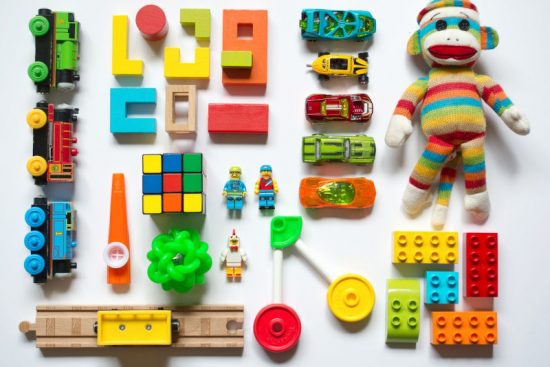
Structured spaces support routines that children understand and follow. When toys, school supplies, and clothing stay in consistent locations, expectations become clear. Parents avoid repeated explanations because the environment itself guides behavior. Morning preparations move faster when essentials remain accessible and visible.
Evening wind-down routines feel calmer when spaces encourage relaxation rather than stimulation. Predictable layouts reduce resistance from children who thrive on familiarity. This stability helps parents maintain schedules without constant negotiation. A home aligned with routine becomes a silent partner in daily parenting.
Supporting Safety and Mobility at Home
A structured home improves safety for both parents and children. Clear floors reduce the risk of trips during rushed moments. Well-defined storage keeps sharp tools, cleaning products, and heavy items out of reach. Parents caring for young children benefit from layouts that allow quick movement without obstacles.
Older family members appreciate spaces that support balance and ease of access. Furniture placement that respects flow reduces accidents during play or chores. Storage systems prevent overcrowding that strains shelves or closets. Safety grows naturally when order becomes part of design.
Encouraging Responsibility and Independence in Children
An organized home teaches children responsibility through the environment rather than instruction. When belongings have clear places, children learn to return items without prompting. Visual order helps them understand ownership and care. Parents spend less time correcting behavior and more time engaging meaningfully. Independence grows when children navigate spaces confidently. Clear labeling and reachable storage empower even younger family members.
This shared structure fosters cooperation rather than control. Responsibility develops through practice supported by design. A well-structured home reinforces healthy habits in subtle ways that parents notice quickly:
- Clearly defined storage zones make cleanup faster and less contentious.
- Consistent layouts help children remember routines without reminders.
- An accessible organization supports shared responsibility across age groups.
- Reduced clutter improves focus during homework and family activities.
- Efficient use of space creates room for connection rather than conflict.
Improving Emotional Well-Being for Parents
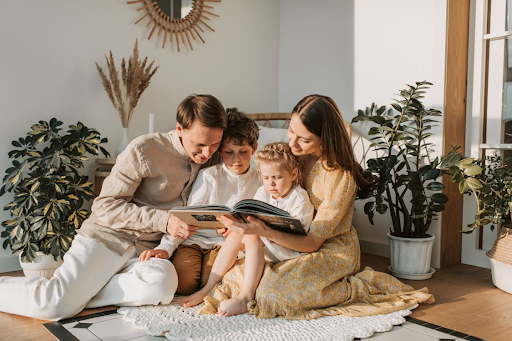
Order influences mood in ways that parents feel deeply. A structured home offers visual relief after demanding days. Stress decreases when environments support rather than resist daily needs. Parents experience greater patience when their surroundings feel manageable. Calm spaces encourage quality family interactions without background tension.
Sleep routines benefit from bedrooms designed for rest rather than storage overflow. Emotional resilience strengthens when chaos does not dominate shared spaces. Well-being grows from environments that respect mental boundaries.

A well-structured home supports parents far beyond aesthetics. It shapes routines, strengthens safety, and encourages independence through thoughtful design. Order reduces mental strain while creating space for meaningful family moments. Children respond positively to environments that guide behavior naturally. Parents gain time, clarity, and emotional balance without constant effort. Structure becomes a form of support woven into daily life. When homes function smoothly, families thrive with greater ease and confidence.