Are you ready to unlock the secret treasure chest of learning with our favorite childhood companion, inset puzzles? If you’ve never heard about them before or are just pondering their prowess, let us immerse. Apart from being delightful distractions for kids, inset puzzles are fantastic tools for hands-on learning that can keep those little minds churning. There’s no denying that productivity can be loads of fun, especially when brainpower meets playtime. So grab a cup of coffee (or juice, it’s a kids’ thing) and join us as we explore the captivating world of inset puzzles.
Inset Puzzles
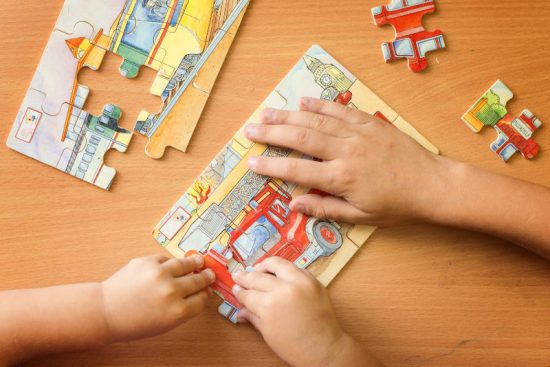
Inset puzzles are more than just colorful cutouts, they’re a blend of art and intellect. These puzzles typically consist of a board with specific cut-out shapes that correspond to various pieces. The pieces are usually designed so that they fit snugly into their respective spots. Often, they showcase animals, numbers, shapes, or even provide a glimpse into interactive storytelling. The beauty is in their simplicity yet effective engagement. You might even say it’s like a mini workout for their brains. As kids lift, place, and manipulate each piece, they unknowingly enhance their fine motor skills and cognitive development, making every play session a chance for growth.
The Educational Benefits of Inset Puzzles
Let’s talk about why inset puzzles aren’t just a passing fad but rather a timeless tool in nurturing early childhood education. First off, they foster fine motor skills as tiny hands grasp and maneuver each piece. We all know dexterity is essential for writing, drawing, and even playing an instrument later in life. Also, these puzzles encourage problem-solving, kids learn to identify where each piece fits, developing their critical thinking abilities in the process. Besides, inset puzzles can spark discussions about various themes, introducing little ones to new vocabularies along the way. In a world buzzing with digital distractions, inset puzzles are a wholesome, hands-on option that brings families closer while delivering heaps of educational value.
Types of Inset Puzzles
We can navigate through several categories of inset puzzles, and each offers unique benefits. Let’s break it down:
Wooden Inset Puzzles
Often made from durable wood, these puzzles come painted with non-toxic finishes, making them safe for little explorers. They add an organic touch that’s both delightful and decorative.
Chunky Inset Puzzles
These pieces are thicker and larger, perfect for kids just beginning on their puzzle journey. The chunky design makes them easier to grip, minimizing frustration.
Sound Inset Puzzles
What’s better than visual stimulation? Adding sound, of course. These colorful puzzles trigger sounds corresponding to the pieces, further engaging young minds and appealing to auditory learners.
Thematic Inset Puzzles
These puzzles focus on specific themes, animals, shapes, transportation, you name it. They can immerse children in fun learning experiences and teach them about the world around them.
Every type serves as a great stepping stone toward advanced puzzles and shapes our learning journey.
Choosing the Right Inset Puzzle for Your Child
Choosing the right inset puzzle can feel a bit like finding the right fitting sock. It’s all about comfort. Consider the age and preferences of your child first. For toddlers, we’d recommend chunky pieces as they’re easier to handle and less likely to cause frustration. As our kids grow, you might introduce more complex puzzles that challenge their developing skills but remain age-appropriate.
Next, think about themes that resonate with them. Are they animal lovers? Or do they have a fascination with vehicles? Selecting a puzzle that aligns with their interests can transform a simple activity into an exciting adventure. And, of course, safety matters. Always ensure the puzzle follows safety guidelines, especially for younger ones.
Tips for Incorporating Inset Puzzles into Playtime
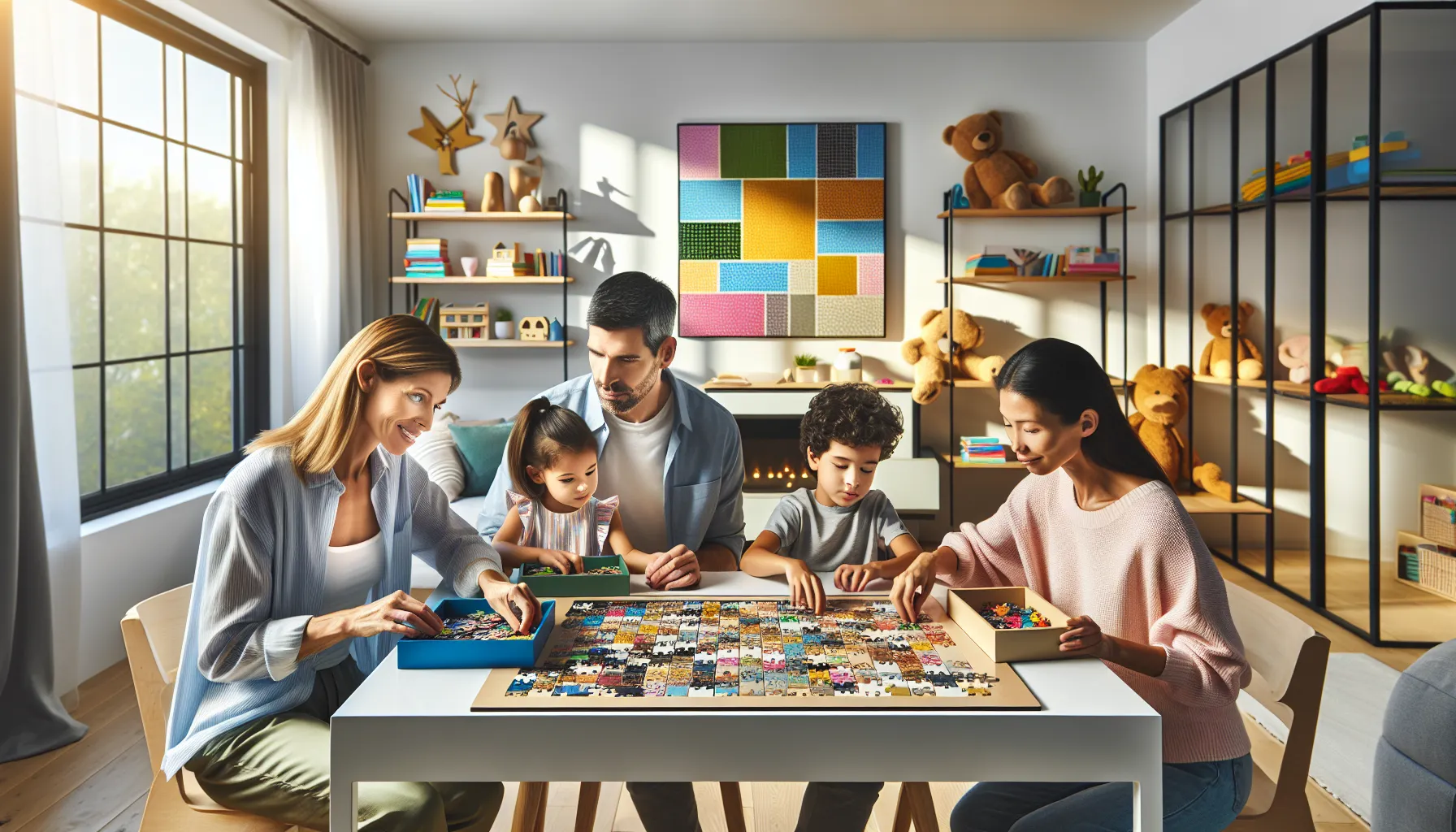
Integrating inset puzzles into our children’s playtime can be seamless. Here are a few tried and true tips:
- Set the Scene: Create a dedicated puzzle station at home where everything stays organized. A designated area brings focus and makes it exciting.
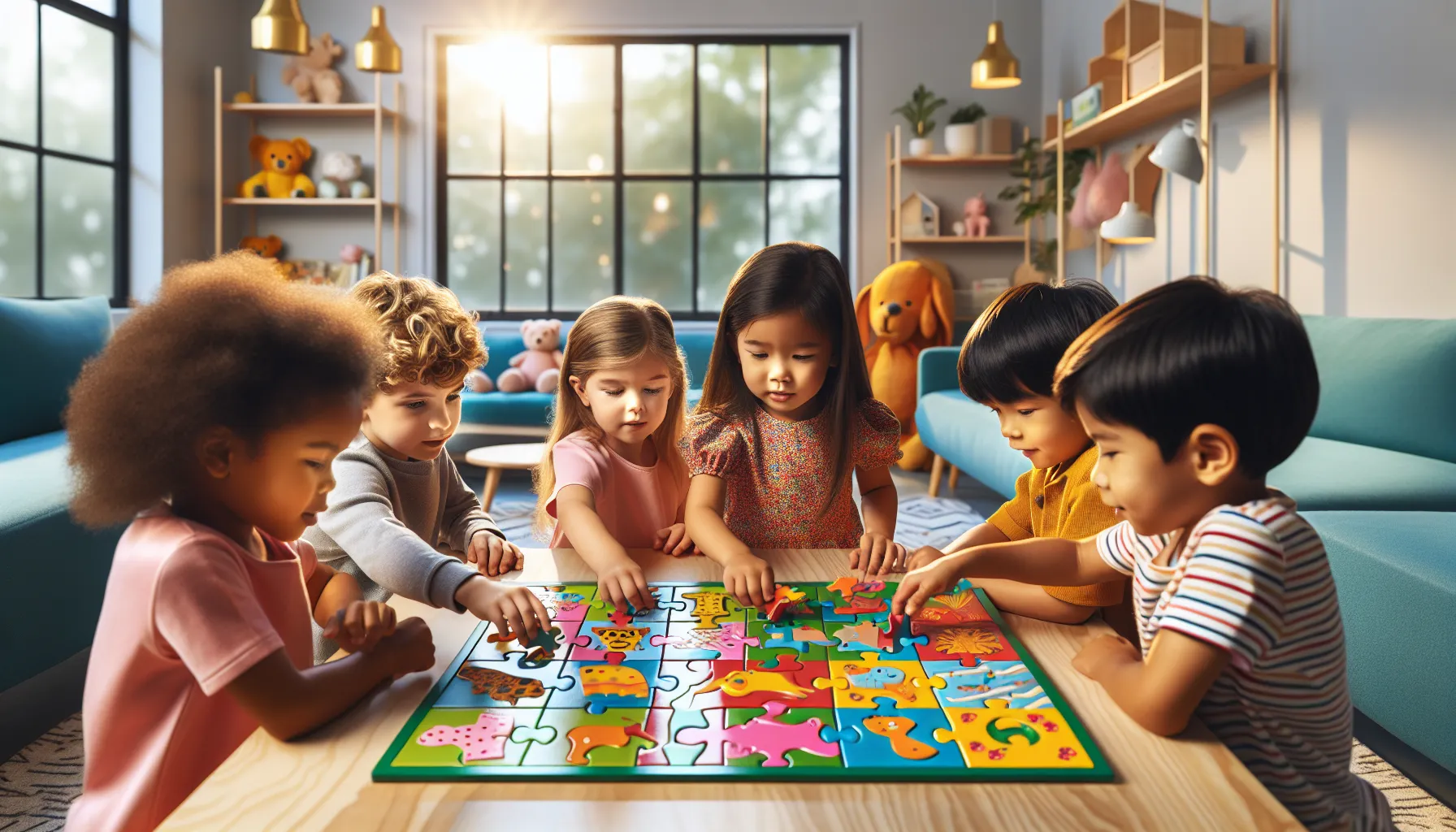
- Make It a Family Affair: Join in. Our collective efforts not only strengthen family bonds, but it also shows kids that puzzles are fun at any age. Plus, they can observe how problem-solving works in real time.
- Storytelling Puzzles: For thematic puzzles, weave a story around the shapes and pieces. It cultivates imagination and sparks creative thinking as kids play.
- Routine Integration: Include puzzles as part of daily routines, whether it’s after breakfast or before bedtime. It’s a wonderful way to channel energy positively.
By incorporating these techniques, we can ensure our children receive maximum enjoyment and learning from their puzzle sessions.