Let’s face it: toys can sometimes feel like they come with a second mortgage attached. We’ve all been there, holding our kids’ latest obsession and wondering if it’s made of gold. But how much does a toy actually cost? In this playful exploration, we’ll investigate into the factors that influence toy prices and discover how to keep our wallets happy. Buckle up: we’re about to unravel the mystery of toy pricing.
How Much Does a Toy Cost
When we think about the price of toys, several factors come into play. First up, the materials used can set a base price. High-quality plastics, natural woods, and advanced electronics typically cost more. We also find that branding plays a huge role. Established brands can charge a premium simply because of their reputation.
Next, let’s consider production costs. Toys made in small batches or those produced in eco-friendly ways often come with a higher price tag. Add to this the complexity of the toy’s design: intricate toys with numerous moving parts tend to be pricier. And finally, let’s not forget about seasonal demand. Around holidays like Christmas, prices can flex under the pressure of popularity.
Types of Toys and Their Price Ranges
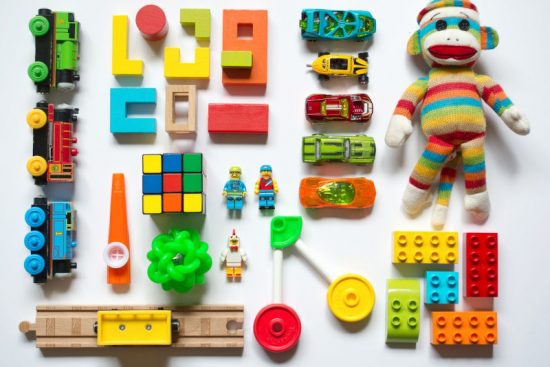
Now, we might be wondering, what exactly do we mean by types of toys? The toy aisle can be a jungle of options. From action figures and dolls to board games and educational toys, each category comes with its own price range.
- Plush Toys: These cuddly companions can range from $10 for a small version to $100 for a massive, branded plush.
- Action Figures: Standard figures usually hover around $15, but limited editions can skyrocket to $50 or more.
- Board Games: Expect to pay between $20 and $60, depending on how complex the game is. Educational toys often carry price points of $30 to $100, reflecting their developmental value. So, understanding what we want our child to gain from these toys can help narrow down our choices.
Where to Buy Toys: Pricing Variations
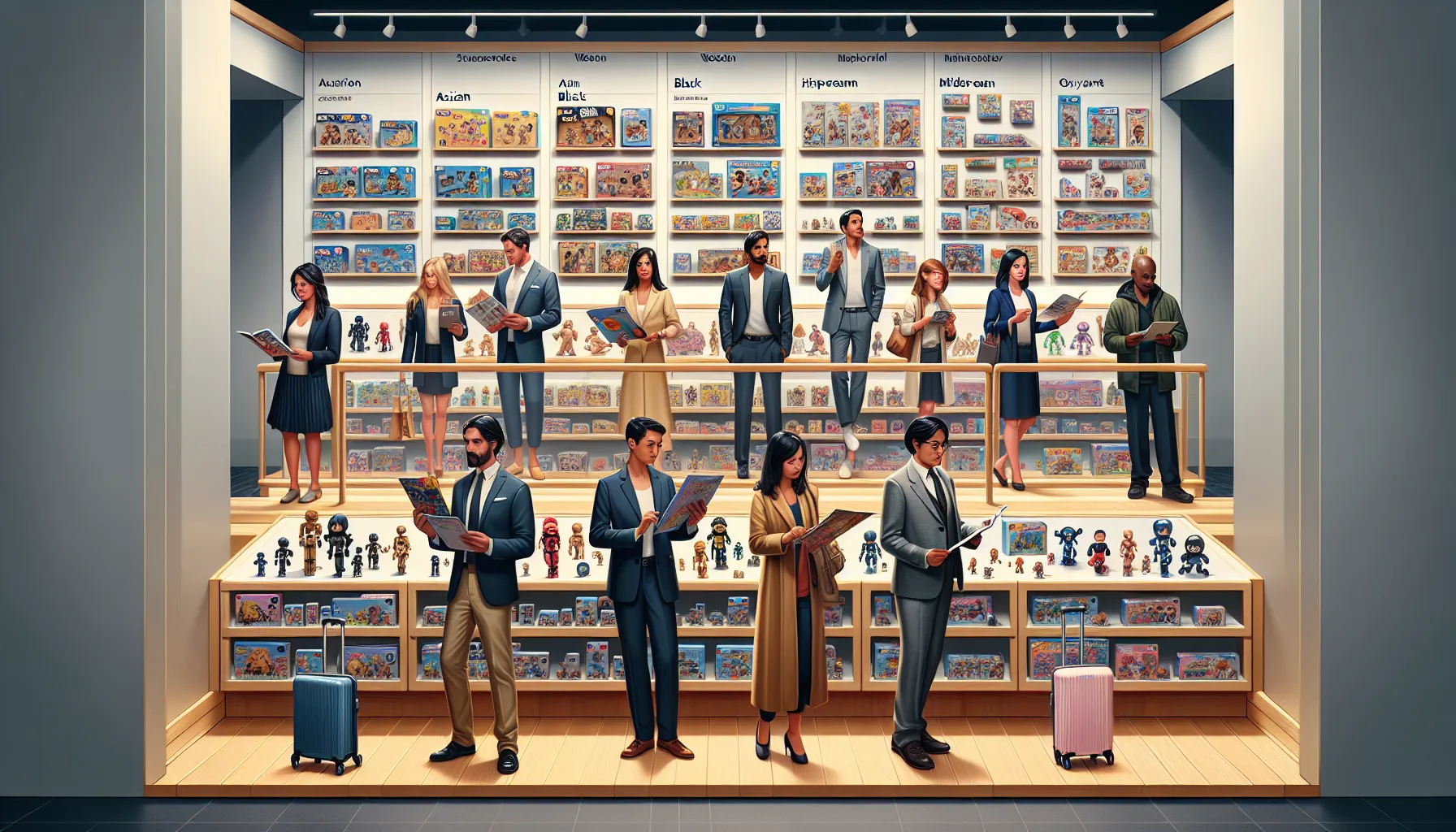
When it comes to toy shopping, location can make a world of difference. We can shop at brick-and-mortar stores or browse online. Big retailers often have competitive pricing but may not always carry the specialty items we’re looking for. Conversely, local toy shops might offer unique selections, at a price.
Online marketplaces can provide us with the best deals, especially if we’re willing to wait for shipping. Another consideration is second-hand shops or websites where we can often find toys at a fraction of the original price. We need to do some sleuthing, but we can score some fantastic bargains here.
Seasonal Sales and Discounts
Who doesn’t love a good sale? The toy market is no stranger to seasonal discounts. Around holidays or back-to-school periods, we often see significant markdowns.
Black Friday is a goldmine for toy discounts. With many retailers offering deep price cuts, we can fill our carts without emptying our wallets. Also, signing up for newsletters from our favorite toy stores can alert us to flash sales or exclusive deals, giving us the inside scoop on sales before they hit the general public.
Budget-Friendly Alternatives to Popular Toys
While we all have our eye on the latest trending toy, there are budget-friendly alternatives that can deliver just as much joy. Generic brands often create similar versions of popular toys at a fraction of the cost.
DIY toys can also be a fun and affordable option. With some craft supplies and creativity, we can create unique toys while spending quality time crafting with our kids. For instance, simple things like homemade playdough or paper crafts can provide endless entertainment without very costly.