
Have you ever sat down with a puzzle and wondered, “Am I too old for this?” Well, fret not. When it comes to 300 piece puzzles, there’s a sweet spot for everyone, whether you’re a toddler or a seasoned puzzle enthusiast. In this text, we’ll explore the delightful world of 300 piece puzzles and discover the perfect age to jump into this engaging activity. Grab your favorite puzzle snack (we know you have one) and let’s get started.
300 Piece Puzzle Age
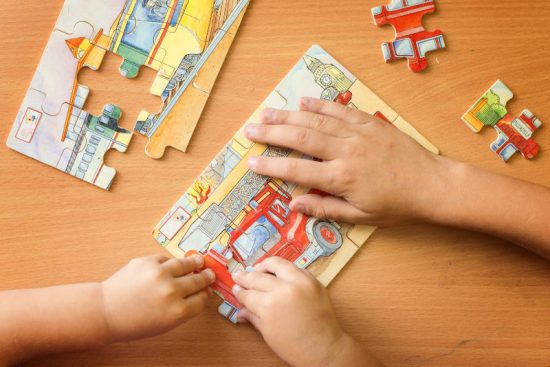
When we talk about puzzles, age is more than just a number: it’s a gateway to a world filled with complexity and challenge. A 300 piece puzzle sits comfortably in the middle range of puzzle difficulty. It’s not quite a walk in the park, but it isn’t a mountain to climb either. For kids around 6-7 years old, this puzzle size can serve as a fantastic introduction to more challenging puzzles. They can develop problem-solving skills while having a fun time.
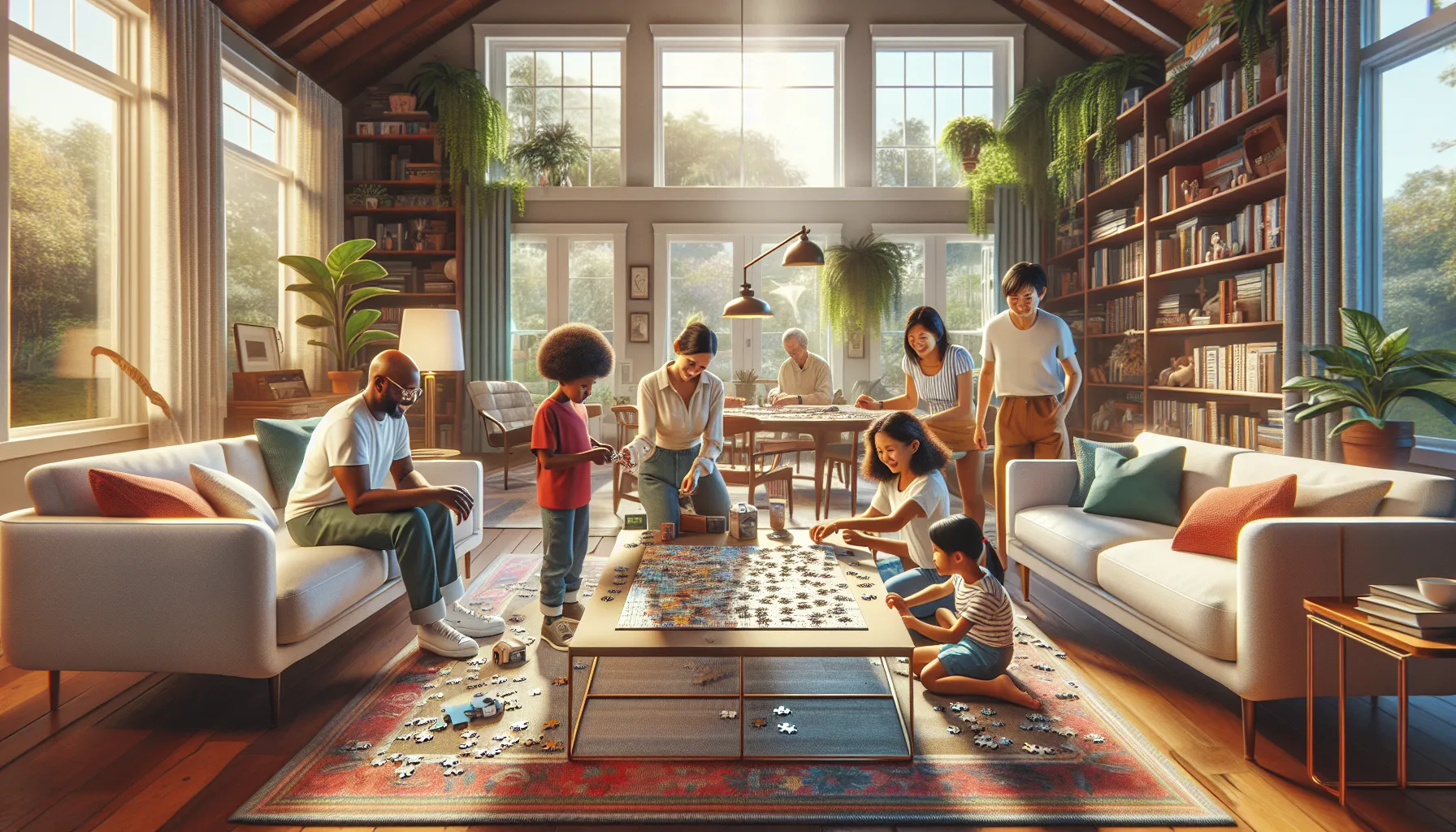
Now, don’t overlook the adults. We often associate puzzles with kids, but a 300 piece puzzle can be a perfect evening in for us parents too. Engaging in puzzling as a family can strengthen our math and spatial reasoning skills, regardless of our years on this planet. Let’s face it, when was the last time you did something together that didn’t involve a screen? Exactly.
Recommended Age Ranges for 300 Piece Puzzles
So, who exactly are the ideal contenders for tackling those 300 pieces? First, let’s break it down:
- Ages 6-8: Kids in this age group can find themselves grasping the fun and challenge of piecing together colorful images. The artwork can also serve as a lovely discussion starter, enhancing their narrative and recall skills.
- Ages 9-12: Pre-teens can really start to appreciate the intricacies involved in a 300 piece puzzle. At this stage, we see their patience grow, and their critical thinking skills sharpen. Plus, hey, it can become a great way for them to unwind after a full day.
- Teens and Up: Who said we couldn’t indulge? Teens and adults will love the detailed designs and engaging themes. We can also have a competitive edge, racing against one another or simply enjoying the quiet camaraderie of working together.
Taking these age ranges into account helps us ensure that we introduce puzzles as a fun, engaging, and age-appropriate activity.
Benefits of 300 Piece Puzzles for Different Age Groups
Now, let’s talk about the myriad benefits of delving into 300 piece puzzles.
- Cognitive Development: For younger children, puzzles help improve their spatial awareness, memory, and problem-solving skills. It’s like handing them a brain workout disguised as a fun activity.
- Stress Relief: For adults, puzzling can be a therapeutic escape from daily stress. There’s something about assembling pieces that allows us to zone out while keeping our minds engaged.
- Social Interaction: No matter the age, puzzles provide a fantastic opportunity to connect with others. As we sit together, we interact, share stories, and reinforce our family bonds. It’s more than a puzzle: it’s a shared experience.
Tips for Choosing the Right Puzzle for Children
Choosing the right puzzle can make all the difference. Here are a few tips for us to consider:
Puzzle Strategies for Enhancing Skills
When selecting a 300 piece puzzle for kids, look for images that resonate with their interests. Whether it’s dinosaurs or a scenic landscape, the theme should captivate them. This element enhances their engagement, making them more likely to enjoy the challenge. Also, varying the piece shapes can promote adaptability as they learn to recognize different patterns.
Encouraging Teamwork and Social Interaction
Why not make puzzling a team effort? We can turn it into a family project where everyone contributes. This not only eases the frustration of tough pieces but fosters teamwork and communication skills. We can establish mini-goals, such as completing sections or finding specific colors together.