
Have you ever wondered how LEGO gets its prices just right? It’s like they have a crystal ball that lets them know how much we’re willing to pay. As we jump into the colorful world of LEGO pricing, we’ll uncover what makes those little plastic bricks pricier than your average toy. So grab a cup of coffee, and let’s piece together this puzzle.
How Does LEGO Price Their Sets
LEGO has perfected the art of pricing its sets through a blend of creativity and market savvy. They don’t just slap a number on the box and hope for the best. Instead, they have a detailed pricing strategy that considers various components to ensure they find that sweet spot where we can’t say no to buying them. Ever since their inception, LEGO has maintained a focus on value, ensuring that each set reflects quality and collectible appeal. This foundational strategy helps them cater not only to the young builders but also to adult fans, known lovingly as AFOLs, or Adult Fans of LEGO.
Factors Influencing LEGO Pricing
When we look closer, several factors influence LEGO’s pricing decisions.
Production Costs and Design Complexity
Firstly, production costs play a significant role. With every individual piece crafted with precision, it’s no simple task to manufacture those colorful bricks. The design complexity is also critical. Sets that are intricate, like those in the
LEGO Creator Expert line, naturally have higher price tags due to the hours of design and engineering that go into creating them.
Market Research and Consumer Demand
Another factor is market research. LEGO constantly analyzes consumer demand, assessing what we, the customers, want. They not only look at popularity trends but also anticipate future interests based on market data. If there’s a buzz around a new movie or franchise, you can bet your bricks that technology is ramped up to deliver a theme that aligns with those trends, driving higher prices due to anticipated demand.
Brand Value and Licensing Fees
Next, let’s talk about brand value. LEGO is a household name, and as such, they enjoy a premium brand status. This allows them to set prices that reflect their esteemed position in the market. Licensing fees also come into play, especially for sets tied to popular franchises like Star Wars or Harry Potter. The cost of acquiring these licenses can be steep, which inevitably contributes to the final price on the box. These licensing agreements not only bolster their revenue but also add a layer of desirability, making those themed sets even more appealing.
Competitive Pricing in the Toy Industry
LEGO operates in an incredibly competitive toy market, which also affects their pricing strategy. To stay relevant, LEGO has to price their sets competitively while still supporting the quality we expect.
Regional Pricing Variations
What’s interesting is how LEGO employs regional pricing variations. Depending on where we live, prices can fluctuate due to taxes, shipping costs, and local demand. For example, a set might be cheaper in one part of the world while being more expensive in another, reflecting local purchasing power and market conditions. This approach helps them reach a broader audience without sacrificing quality.
Sales and Promotions
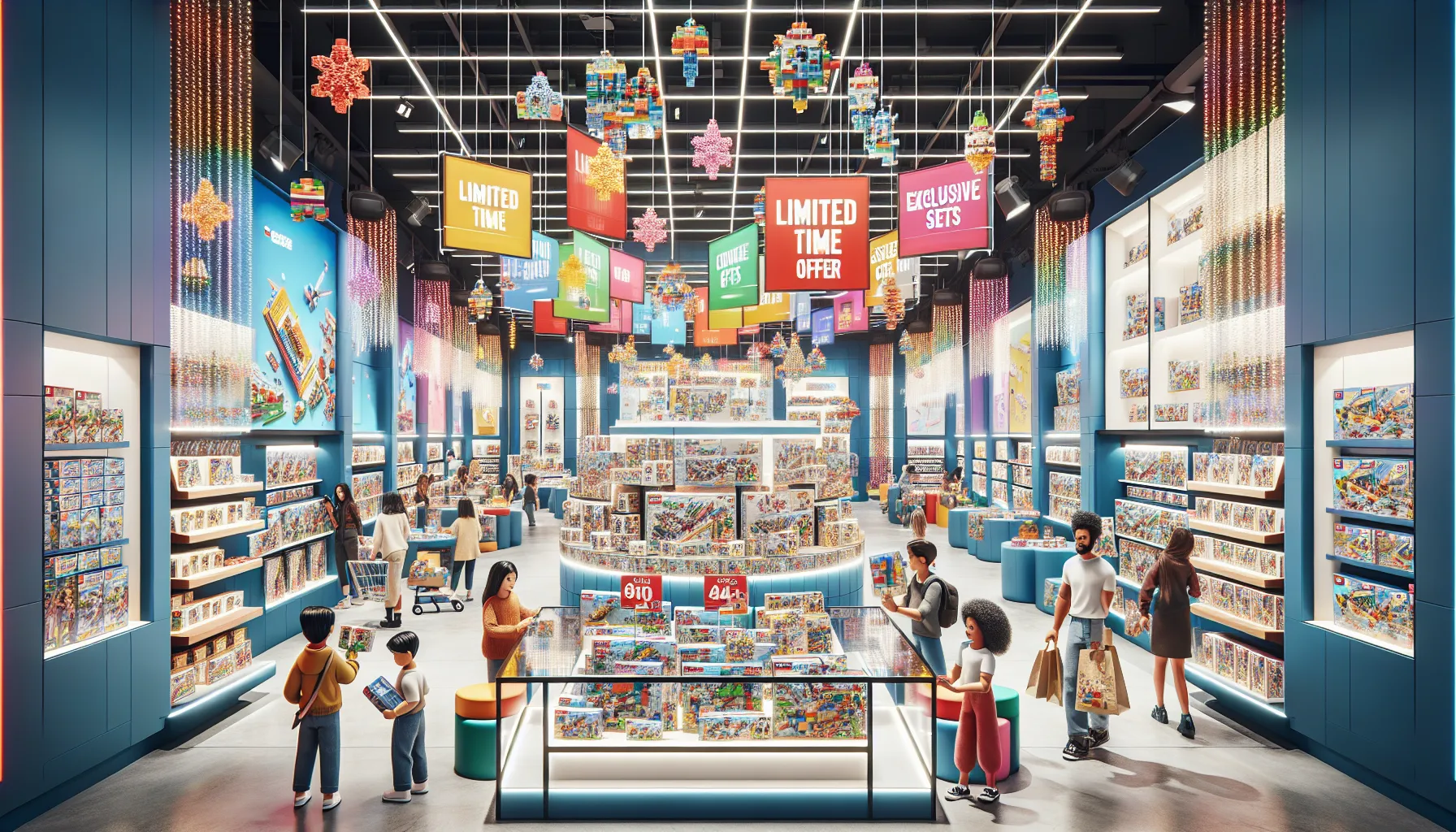
Sales and promotions are another key element in LEGO’s pricing strategy. We’ve all seen those enticing offers during holidays or special events, right? LEGO tactically uses these moments to draw us in with discounts or exclusive sets, making it hard to resist a purchase. Not only does this help clear inventory, but it also fuels excitement around new releases and seasonal themes. Plus, who doesn’t love a little bargain on their favorite building sets?