

Imagine stumbling upon a treasure trove of deliciousness that also has a price tag worth discussing. That’s exactly what the yumkugu offers. In this guide, we’re diving deep into everything you need to know about yumkugu prices, what they are, why they fluctuate, and the best strategies for snagging this culinary gem. So, grab a seat and prepare to feast on some knowledge about yumkugu.
yumkugu price
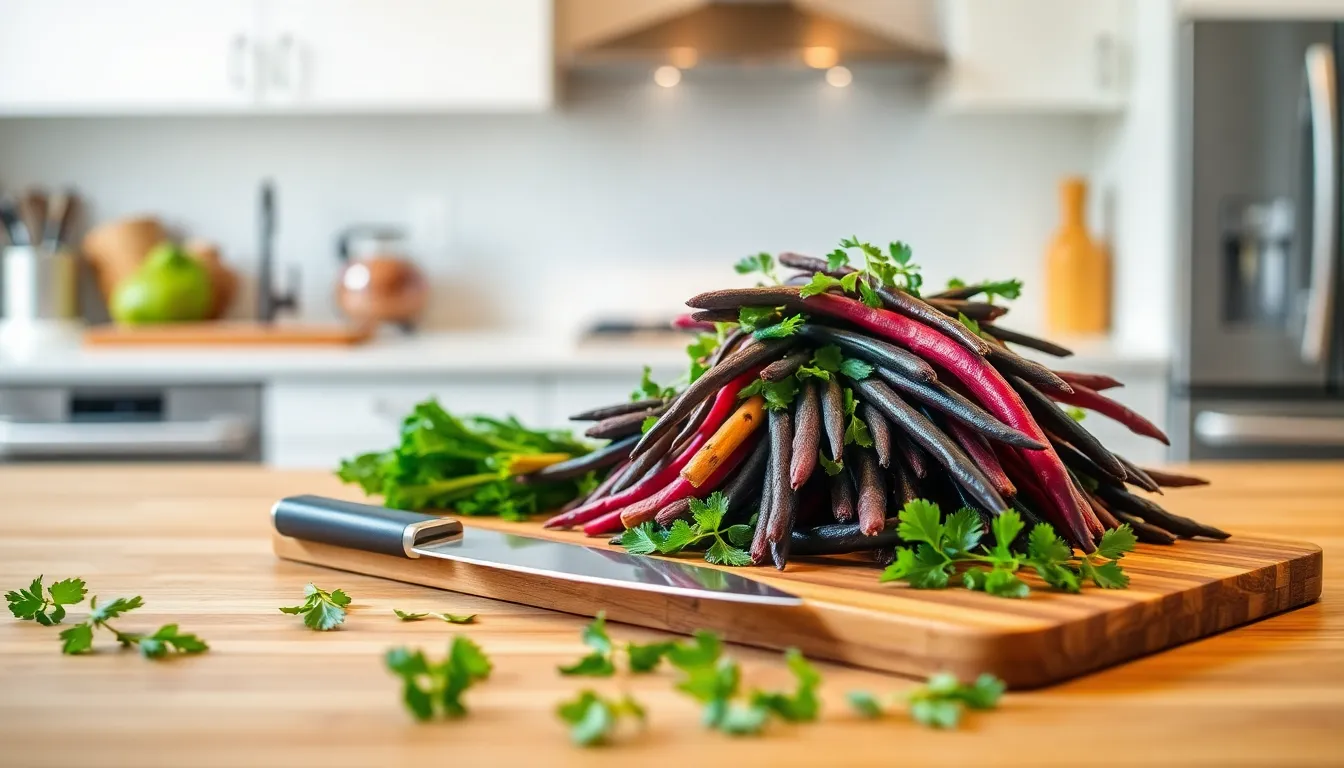
Yumkugu, often celebrated for its unique flavor and versatility, has made its mark in various cuisines. But what exactly is it? This delightful ingredient can be found in many markets, drawing attention from chefs and home cooks alike. Flavor-packed and nutritious, yumkugu becomes the star of the dish in numerous culinary contexts.
The ingredient isn’t just about taste: it comes from a plant that thrives in specific regions. Without its rich history and cultural significance, yumkugu wouldn’t be the staple it is today. Understanding what yumkugu is, its origins, and its uses in the kitchen sets a solid foundation for discussing its price.
What Affects Yumkugu Pricing?
The price of yumkugu isn’t arbitrary, it’s shaped by multiple factors. Seasonal availability plays a crucial role. When yumkugu is in season, customers often see lower prices. Conversely, out-of-season times can cause prices to soar as demand outstrips supply.
Quality is another significant component. Higher-quality yumkugu, which is ripe and fresh, generally commands a premium. In contrast, lower-quality or overripe variants can drop in price, though they may not deliver the same culinary experience.
Location also matters significantly. Urban areas often have higher prices due to increased demand and transport costs, while rural regions might sell it for less, reflecting local demand and availability.
Comparative Analysis of Yumkugu Prices
When a potential buyer sets out to explore yumkugu prices, it’s beneficial to conduct a comparative analysis. Comparing prices across different vendors reveals significant variations. Local farmer’s markets often offer fresher options at lower costs than retail chains, although the quality might differ.
Online marketplaces have emerged as a competitive alternative. They create price variations based on factors like ordering time and shipping costs. Some platforms even offer subscriptions or bulk buying options, which can incentivize purchasing while potentially lowering overall costs.
In analyzing geographic pricing, individuals may find that prices range significantly between states. For instance, someone living in California might pay more than someone in Texas, which can be surprising given that both areas have ample access to this ingredient. Understanding these differences allows consumers to make educated decisions based on their budget and preferences.
How to Purchase Yumkugu
Purchasing yumkugu may seem daunting, but with a few strategic steps, it can become a straightforward process. First, consumers should identify their preferred shopping venues. Whether it’s local markets, supermarkets, or online platforms, each option presents unique advantages.
Next, buyers should compare prices before making a decision, taking note of quality and freshness. Paying a little extra for higher quality can often lead to better taste and overall satisfaction in the kitchen.
For those who enjoy the thrill of shopping, visiting local farmer’s markets allows individuals to engage with vendors and explore various yumkugu options. But, if convenience reigns supreme, an online purchase can provide quick access to this coveted ingredient. Many online stores offer delivery options, ensuring a hassle-free experience.
Market Trends and Future Projections for Yumkugu
The yumkugu market is evolving, subject to changing consumer preferences and dietary trends. As more people discover the health benefits of this unique ingredient, the demand is anticipated to grow. Current trends indicate a shift towards organic and sustainably sourced yumkugu, often at higher price points, reflecting its prized status.
Also, as culinary enthusiasts experiment more, they seek innovative uses for yumkugu in unfamiliar dishes, further increasing its popularity. An upward trend in gourmet cooking means prices might continue to fluctuate based on newfound demand.
Projections for the next few years suggest that as the culinary landscape evolves, yumkugu’s presence in mainstream cooking will likely solidify, driving prices further and possibly leading to a more stable market for this exciting ingredient.