
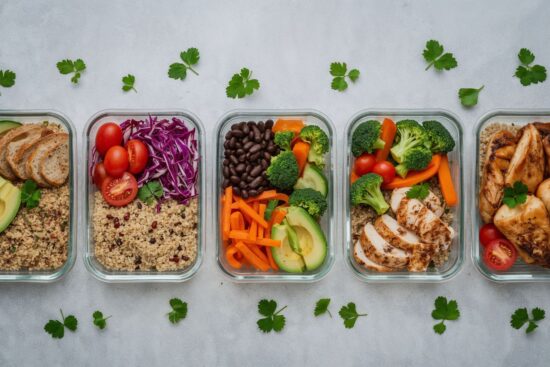
Meal-prep subscriptions appeal to many of us because they promise convenience, balanced nutrition, and less time spent cooking or grocery shopping. Services like Factor provide a clear example of how these subscriptions typically operate. However, while these services can simplify routines, waste and overspending can quietly develop when our weekly schedules shift.
Additionally, waste in this context is not limited to uneaten meals. It also includes money lost through forgotten renewals, ordering more meals than we can realistically store or eat, or maintaining a delivery schedule that no longer matches our routine. This guide focuses on practical saving strategies built around skipping, pausing, and simple planning routines.
Potential problems to address
Several predictable challenges tend to appear with meal-prep subscriptions, and recognizing them early helps us manage costs more effectively. Food waste is one, particularly when we order meals without checking how many dinners we will actually eat at home during a given week. Many services automatically process the next delivery unless changes are made before a set weekly deadline, and it is easy to miss these dates during busy periods.
Choosing the wrong delivery frequency creates waste as some people stay on weekly deliveries even when their schedule would suit biweekly shipments, while others order too infrequently and compensate by adding extra meals or upgrades. Missing editing deadlines adds another layer of frustration, because once the order processes, it’s difficult to change.
Imagine a week filled with work commitments and social plans, yet the default eight-meal delivery remains active. The result can be meals expiring in the fridge or feeling pressured to eat them simply to avoid waste. The key takeaway is that saving money usually starts with controlling timing, meal quantity, and optional extras rather than focusing only on discounts.
How to save through smart planning
There are several practical ways we can reduce subscription waste while keeping the convenience benefits. First, skipping weeks proactively helps when travel, social plans, or restaurant visits reduce the number of meals we will eat at home. Second, using pause features strategically can be useful for short breaks, while full cancellation might make more sense if we find ourselves skipping repeatedly.
Third, choosing the right delivery cadence should reflect our actual routine rather than our ideal eating schedule. Fourth, adjusting meal quantities to match real consumption is one of the simplest ways to reduce waste. A useful rule of thumb is to count how many dinners we genuinely expect to eat at home before finalizing the order.
Fifth, reviewing add-ons before checkout helps control spending. Sixth, setting calendar reminders or phone alerts for editing cut-off deadlines helps avoid accidental renewals. Finally, planning storage and using buffer meals effectively can extend value.

Lowering the price even more with valid coupon codes
Coupons can provide an additional way to reduce subscription costs, but they work best when used carefully alongside good planning habits. A practical approach to save money on a Factor subscription involves comparing multiple coupon code platforms.
One good available option to start with is Discoup, which focuses on structured brand pages that list offers clearly, which can make it easier to compare codes quickly. The list of Factor promo codes on Discoup shows both coupons and already-markdown promotions, reaching all kinds of customers.
An alternative is Offers.com, which tends to provide broad listings alongside shopping tips and promotional summaries. On the other hand, Dontpayfull.com frequently includes user feedback and code activity indicators that can give extra context about whether a code has recently worked.
Each platform also varies in usability, mobile browsing experience, and how prominently they display terms such as new-customer restrictions, minimum spend requirements, or subscription-only conditions.
The most effective strategy is usually to check two or three platforms before choosing a code, since availability and eligibility can change quickly depending on plan size, delivery frequency, or account status. It is also worth re-checking codes shortly before completing checkout, as expired or misleading listings occasionally appear online. Comparing multiple sources reduces wasted time and helps ensure that any discount applied genuinely fits our subscription plan rather than appearing attractive but unusable.
Planning at the Core of Waste-Free Savings
Saving money on meal-prep subscriptions often depends less on chasing the largest discount and more on maintaining consistent planning habits. Controlling order timing, right-sizing meal quantities, and preventing accidental renewals typically create more meaningful long-term savings than relying solely on promotional codes. Coupons can still play a helpful supporting role, particularly when we compare multiple sources and confirm eligibility carefully.