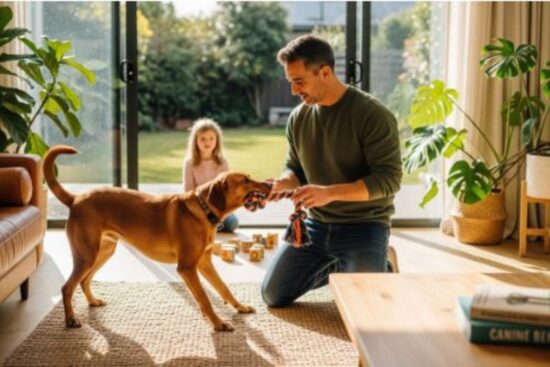
The game of tug-of-war is often a misunderstood but highly valuable training activity for the modern family dog. With a clear set of rules and professionally designed equipment, this common game becomes a powerful tool for teaching essential canine impulse control. This structured approach to play not only strengthens the bond between a family and their pet but also builds a dog’s confidence and focus. In fact, with approximately 94 million U.S. households owning a pet, finding effective training methods is more important than ever for creating a harmonious home environment. Turning playtime into a productive lesson is achievable with PK9 Gear, which offers dog toys designed for this specific purpose.
Debunking the Aggression Myth: Why Structured Tug Is Safe
A persistent myth discourages many families from playing tug-of-war, based on outdated fears that it encourages aggression and dominant behavior. However, professional trainers at PK9 Gear clarify that a structured game of tug does not create aggression but instead provides a safe outlet for a dog’s natural instincts. Research published found no link between playing tug-of-war and the development of aggressive behaviors in dogs. A properly managed game channels a dog’s inherent prey drive in a positive and controlled manner, making it a cooperative exercise that depends on clear communication between the owner and the dog.
The game’s established rules and human-led structure are the primary keys to preventing any negative behaviors from emerging. The American Kennel Club notes that a dog’s prey drive is an innate part of its genetic heritage, and providing appropriate outlets for it is a part of responsible ownership. When the game becomes predictable and is based on established commands, the dog learns cooperation rather than conflict. This process successfully transforms an instinct into a focused, engaging, and secure activity for all family members involved in the training.
The Four Essential Rules for a Productive Tug Game
To ensure tug-of-war functions as a training tool rather than an unruly activity, four foundational rules must be consistently enforced by the family. These principles create the necessary structure for learning, safety, and clear communication. Consistency is one of the most critical elements of any successful dog training program. Adhering to these rules establishes predictability, which helps the dog understand expectations and learn more efficiently. These guidelines form the bedrock of a safe and constructive training session.
- The Human Initiates and Ends Play. The game must always begin and end on the human’s terms. This establishes leadership and control, preventing the dog from demanding play inappropriately.
- Teeth on the Toy Only. A strict, zero-tolerance policy for teeth making contact with human hands or clothing is critical. If teeth make contact with skin, the game stops at once.
- The “Drop It” Command is Central. The entire game is built around the dog’s willingness to release the toy on command. This is the core of the impulse control lesson.
- Winning Builds Confidence. Allowing the dog to successfully pull the toy away periodically is crucial for motivation. These “wins” keep the dog engaged and reinforce that the game is a rewarding experience.
A Step-by-Step Guide to Playing Tug for Impulse Control
Following a clear and methodical process turns the game of tug into a predictable and effective lesson in canine self-control. Each step in this guide builds upon the last to create a reliable sequence of commands and rewards. This structured repetition is the foundation for building true impulse control, a skill that is valuable in numerous real-world situations. Experts in animal behavior emphasize that breaking down complex skills into simple, repeatable steps is the fastest way to build reliable obedience in dogs. This guide provides the exact framework needed for success.
Step 1: Select a Professional Training Toy
The equipment used for tug-of-war is critical for both safety and training effectiveness, and choosing a toy is a primary consideration. Household items like socks, shoes, or generic rope toys are not suitable for this structured game. Instead, a designated professional tug toy is the correct tool, as it is designed with safety and durability in mind.
PK9 Gear offers educational dog toys for families. Trainers specifically created tug products featuring long and sturdy handles that keep hands safely away from the dog’s mouth. The materials they use, such as durable French linen or ethically sourced natural hides, are made to withstand strong pulling without breaking apart. This is a sharp contrast to many generic rope toys, which can fray and cause dangerous intestinal blockages if the strands are ingested by the dog. Using a dedicated, high-quality tool helps the dog understand when it is appropriate to engage in this specific game.
Step 2: Teach a Reliable “Drop It” Command
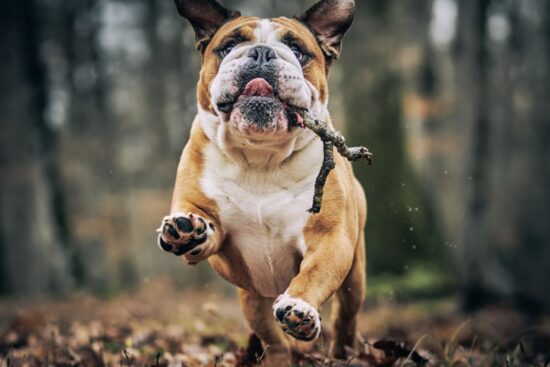
The “drop it” command is the single most important skill taught through the game of tug, and the game should not begin until the dog shows a basic understanding of this cue. A simple and effective method for teaching it is the “trade-up” technique. After a brief tugging session, ask the dog to “drop it” and immediately present a high-value food treat near its nose, requiring the dog to release the toy to get the reward. Another effective method is to make the toy “dead” by holding it perfectly still and ceasing all pulling motions. This removes the fun from the game, and most dogs will release the toy out of boredom. Once the dog lets go, offer praise and immediately re-engage the game as the primary reward. This process effectively teaches the dog that releasing the toy on command leads directly to more of the rewarding play activity.
Step 3: Implement the Game Structure
With a reliable “drop it” command established, the game can be fully structured for training purposes. Begin each session with a clear verbal cue like “take it” to signal the start of play. Engage in a short period of tugging, usually lasting between 20 to 30 seconds at a time. It is important to keep your movements low to the ground and pull from side to side, never upwards, to protect the dog’s spine and neck from injury. After this short interval, give the “drop it” command in a calm and clear voice. When the dog releases the toy, provide brief praise or a treat, then re-initiate the game with the “take it” cue. This cycle of “take it,” “tug,” and “drop it” is the core exercise that builds self-control. As experts note, impulse control is a skill that can be strengthened with practice, and this repetition teaches the dog to switch from a state of high arousal to calm obedience on command.
Comparing Educational Dog Toys for Families
The choice of toy directly affects the safety and success of your training efforts, especially for a high-interaction game like tug. With the U.S. pet industry reaching over $152 billion in sales in 2024, the market is filled with countless options, making it difficult for parents to distinguish between a simple plaything and a genuine training tool. A direct comparison highlights the significant differences between a purpose-built educational toy and a generic alternative commonly found in pet stores. Understanding these distinctions helps families invest in equipment that is not only safer but also far more effective for achieving training goals.
| Feature | PK9 Gear Tug Toy | Generic Rope Toy |
| Safety | Includes long handles to keep hands away from the dog’s mouth. | No handles, increasing the risk of accidental bites. |
| Durability | Made from trainer-grade materials like French linen or natural hides to withstand heavy use. | Often made of cotton or synthetic fibers that fray easily and can be ingested. |
| Training Purpose | Designed by trainers specifically for engagement and teaching the “drop it” command. | Designed for general, unstructured chewing and pulling. |
Conclusion: A Game for Confidence and Control
Tug-of-war, when approached correctly, is far more than a simple pastime for a family pet. It is a structured lesson in communication, self-control, and cooperation between a dog and its family members. Positive, interactive play sessions strengthen the human-animal bond and reduce stress. By following a clear set of rules and using professional-grade tools designed for safety and effectiveness, this game becomes one of the most beneficial and relationship-building activities available to dog owners. For trainer-designed dog toys, visit the PK9 Gear collection to find the appropriate tool for your dog.